


Listen to the article
France is pushing forward with legislation to ban social media for children under 15, as President Emmanuel Macron directs lawmakers to expedite the process with the goal of implementing the ban by the start of the school year in September.
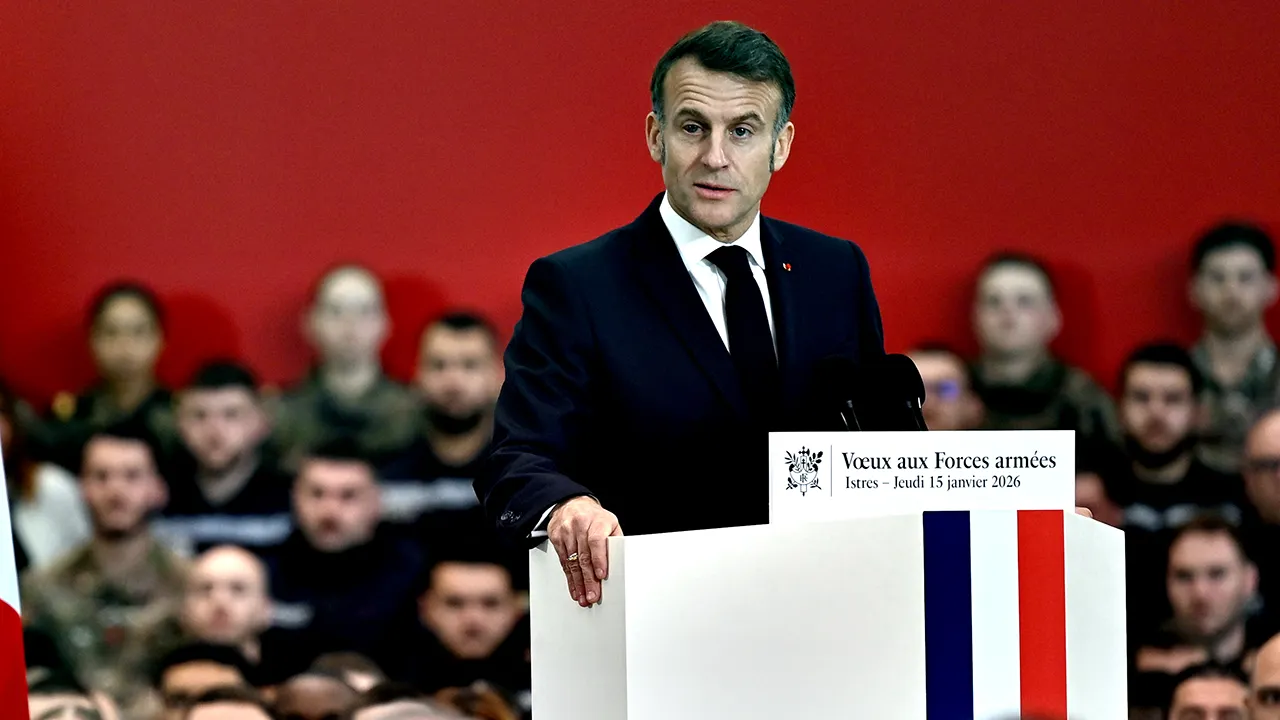
In a video statement released last Saturday by BFM-TV, Macron emphasized the urgency of protecting young people from digital manipulation. “The brains of our children and our teenagers are not for sale,” Macron declared. “The emotions of our children and our teenagers are not for sale or to be manipulated. Neither by American platforms, nor by Chinese algorithms.”
The French initiative comes just days after the British government announced it is considering similar restrictions as part of broader efforts to shield children from harmful online content and excessive screen time. This reflects a growing international trend of governments taking stronger regulatory stances against social media companies regarding youth access.
France’s health watchdog has documented concerning patterns in teen smartphone usage, reporting that approximately half of all teenagers spend between two and five hours daily on their devices. Even more striking, about 90% of children ages 12 to 17 use smartphones to access the internet every day, with 58% specifically using them for social media activities.
Health officials have warned of clear connections between heavy social media use and reduced self-esteem among young users. Of particular concern is increased exposure to content promoting harmful behaviors, including self-harm, drug use, and suicide. The issue has become so serious that several French families have filed lawsuits against TikTok, alleging the platform exposed their teenagers to content linked to suicides.
“We are banning social media for under-15s, and we are going to ban mobile phones in our high schools,” Macron stated. “I believe this is a clear rule. Clear for our teenagers, clear for families, clear for teachers, and we are moving forward.”
The legislation is scheduled for public debate on Monday, sponsored by lawmaker Laure Miller. Macron has called for an accelerated legislative process to ensure the bill clears Parliament and receives Senate approval before the September school year begins.
France’s proposed ban would follow Australia’s precedent after it introduced what was described as a world-first ban on social media for children under 16 years old in December 2023. The Australian legislation restricts youth access to major platforms including Facebook, TikTok, and YouTube.
The growing movement to regulate children’s access to social media reflects mounting concerns among policymakers, health experts, and parents about the psychological impact of these platforms on developing minds. Research continues to highlight the potential negative effects of excessive screen time and algorithmic content delivery on young users’ mental health.
As more countries consider similar regulations, the tech industry faces increasing pressure to implement more robust age verification systems and content moderation practices. These regulatory developments may signal a significant shift in how governments worldwide approach the relationship between technology companies and child safety.
The debate raises important questions about the balance between protecting young people from potential harm while ensuring they develop digital literacy skills necessary for their futures in an increasingly connected world.
Fact Checker
Verify the accuracy of this article using The Disinformation Commission analysis and real-time sources.

10 Comments
France’s proposed social media ban for under-15s raises important questions about privacy, freedom of expression, and the role of government in regulating the digital world. It will be interesting to see how this policy develops and if other nations follow suit.
Absolutely, this is a complex issue with valid concerns on both sides. Striking the right balance between child protection and civil liberties will be challenging.
As a parent, I can appreciate the French government’s desire to shield young people from the negative aspects of social media. However, a complete ban may be overly restrictive. Perhaps a more balanced approach of age restrictions, content moderation, and digital literacy education would be more effective.
I agree, a multi-faceted strategy is likely needed to address this complex challenge. Outright bans risk unintended consequences, so a more holistic approach may be prudent.
Interesting move by Macron to protect children from social media influence. While it may be controversial, the potential mental health and privacy concerns are valid. I wonder how this policy will be implemented and enforced in practice.
I agree, social media can have significant negative impacts on young people. Careful regulation is needed to balance digital access with safeguarding wellbeing.
This is a bold step by the French government to shield youth from the harms of social media. It will be challenging to enforce, but the underlying intent to preserve childhood seems admirable. I’m curious to see how other countries respond to this trend.
Protecting children from online exploitation is a crucial priority. While the details will be tricky, I’m glad to see Macron taking concrete action on this issue.
Limiting social media access for children is a controversial but understandable move given the mounting evidence of its psychological harms. However, the technical and enforcement challenges of such a ban are significant. I’m curious to see how this plays out in France and beyond.
You make a good point. Effective implementation will be critical, as a heavy-handed approach could backfire. Nuanced policy and public education will be key.