


Listen to the article
Libyan authorities have begun towing a damaged Russian tanker that has been adrift in the Mediterranean Sea for nearly three weeks following a suspected sea drone attack, officials confirmed Tuesday.
The Arctic Metagaz, a liquefied natural gas carrier identified as part of Russia’s “shadow fleet” used to transport fossil fuels in defiance of international sanctions imposed over the Ukraine war, is now being moved to a designated safe zone off the coastal town of Zuwara in western Libya.
Footage released Tuesday by Libyan officials showed a tugboat pulling the compromised vessel with a heavy rope. The video revealed the tanker listing to one side with significant fire damage visible on its blackened hull, highlighting the severity of the earlier attack.
Libya’s National Oil Corporation announced over the weekend that it had partnered with Italian energy giant Eni to safely bring the damaged vessel ashore, aiming to prevent what could become a serious environmental disaster in the Mediterranean.
“All procedures have been taken to reduce environmental risks and prevent any potential leakage or negative impacts,” the Libyan state oil company stated in its official communication.
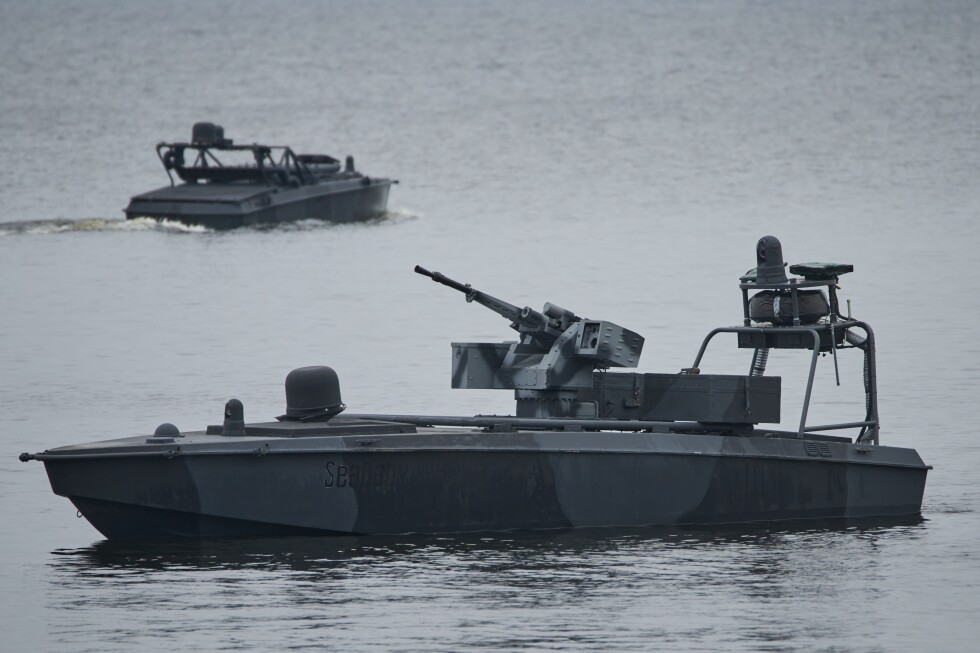
According to Russian authorities, the Arctic Metagaz was struck and severely damaged by Ukrainian naval drones near Maltese territorial waters. All 30 crew members were successfully rescued following the attack. Ukrainian officials have not issued any statements regarding their potential involvement in the incident.
The attack occurred earlier this month, with the Libyan Maritime Authority reporting at the time that the vessel had experienced “sudden explosions, followed by a massive fire” while positioned approximately 240 kilometers (150 miles) off the Libyan city of Sirte. In the immediate aftermath, the Libyan authority erroneously reported that the tanker had sunk.
Instead, the Arctic Metagaz remained afloat and began drifting toward the Libyan coastline, pushed by prevailing winds and ocean currents, according to monitoring by the World Wide Fund for Nature (WWF). The conservation organization expressed serious concerns about the situation on Monday, warning that the tanker remained “highly unstable” and presented “significant environmental risks for one of the Mediterranean’s most fragile and biodiversity-rich marine areas.”
The incident highlights the growing maritime risks associated with the Russia-Ukraine conflict, which has expanded beyond the Black Sea region. Russia’s use of shadow fleets—vessels operating outside normal commercial channels to evade sanctions—has become an increasingly common tactic as Western sanctions restrict Moscow’s ability to transport oil, gas, and other commodities through conventional means.
Maritime security experts note that these shadow fleet vessels often operate with minimal regulatory oversight, potentially compromising safety standards and environmental protocols. The Arctic Metagaz situation demonstrates the environmental vulnerabilities created when such vessels become targets in the widening geopolitical conflict.
The Mediterranean Sea, home to approximately 17,000 marine species and bordered by 21 countries, faces particular risk from potential fuel or cargo leakages. Environmental authorities across the region have been monitoring the situation closely, with several Mediterranean nations reportedly placing emergency response teams on standby.
Libyan authorities now face the delicate task of securing the damaged vessel without triggering further environmental damage. The towing operation represents a significant logistical challenge, complicated by the vessel’s unstable condition and potentially hazardous cargo.
The incident comes amid increased international attention on maritime security in the Mediterranean, which serves as a crucial shipping route connecting Europe, Africa, and Asia.
Fact Checker
Verify the accuracy of this article using The Disinformation Commission analysis and real-time sources.

19 Comments
The damaged ‘shadow fleet’ tanker highlights the risks of operating aged and poorly maintained vessels, especially in sensitive marine environments. Kudos to Libya for taking proactive steps.
It’s reassuring to see Libyan authorities and Eni working together to mitigate the potential risks. International cooperation is vital when dealing with complex maritime security issues.
Absolutely. This kind of cross-border coordination is essential for protecting shared natural resources and maintaining regional stability.
This situation highlights the importance of maintaining robust monitoring and enforcement mechanisms to ensure compliance with sanctions targeting Russia’s energy exports.
Russia’s continued attempts to circumvent sanctions on its energy exports are concerning. I hope the international community closely monitors this situation to ensure full compliance.
Yes, it’s critical that the rules-based international order is upheld, even in challenging geopolitical circumstances.
The successful towing of the damaged tanker is a positive outcome, but the broader implications of this event warrant close monitoring. Maintaining vigilance over energy supply chains is crucial.
Absolutely. This incident is just one piece of a complex geopolitical puzzle that requires a coordinated, multilateral response.
This incident serves as a reminder of the complex geopolitical and environmental challenges surrounding the global energy trade. Maintaining stability and security in these critical supply chains is no easy task.
Well said. Balancing energy security, economic interests, and environmental protection requires nuanced policymaking and international cooperation.
The potential for an oil spill in the Mediterranean is deeply concerning. I’m glad to see the Libyan authorities taking proactive steps to minimize the environmental risks.
I’m curious to learn more about the specifics of the sea drone attack on the Russian tanker. Was it an isolated incident or part of a broader effort to disrupt Russia’s energy exports?
That’s a good question. The details around the attack are still emerging, but it could signal a new front in the ongoing conflict over energy flows.
Interesting development in the ongoing saga of Russia’s ‘shadow fleet’ of tankers. Glad to see Libya taking swift action to prevent an environmental disaster in the Mediterranean.
Agreed. Containing potential oil spills and mitigating ecological damage should be the top priority here.
I hope the investigation into the sea drone attack can shed more light on the tactics and motivations behind this incident. Understanding the full context is key to preventing future incidents.
Agreed. Uncovering the details behind the attack will be crucial for informing future maritime security strategies in the region.
The ‘shadow fleet’ of Russian tankers operating in defiance of sanctions is a troubling development. I hope this latest incident prompts greater efforts to enforce compliance and prevent further incidents.
The safe towing of the damaged tanker to a designated area is a prudent move to avert an environmental catastrophe. Responsible management of such incidents is crucial.