


Listen to the article
U.S. Naval Commander Steps Down Amid Controversy Over Maritime Drug Operations
A U.S. Navy admiral responsible for military operations in Latin America has unexpectedly relinquished his command amid growing scrutiny of controversial anti-drug operations in the region.
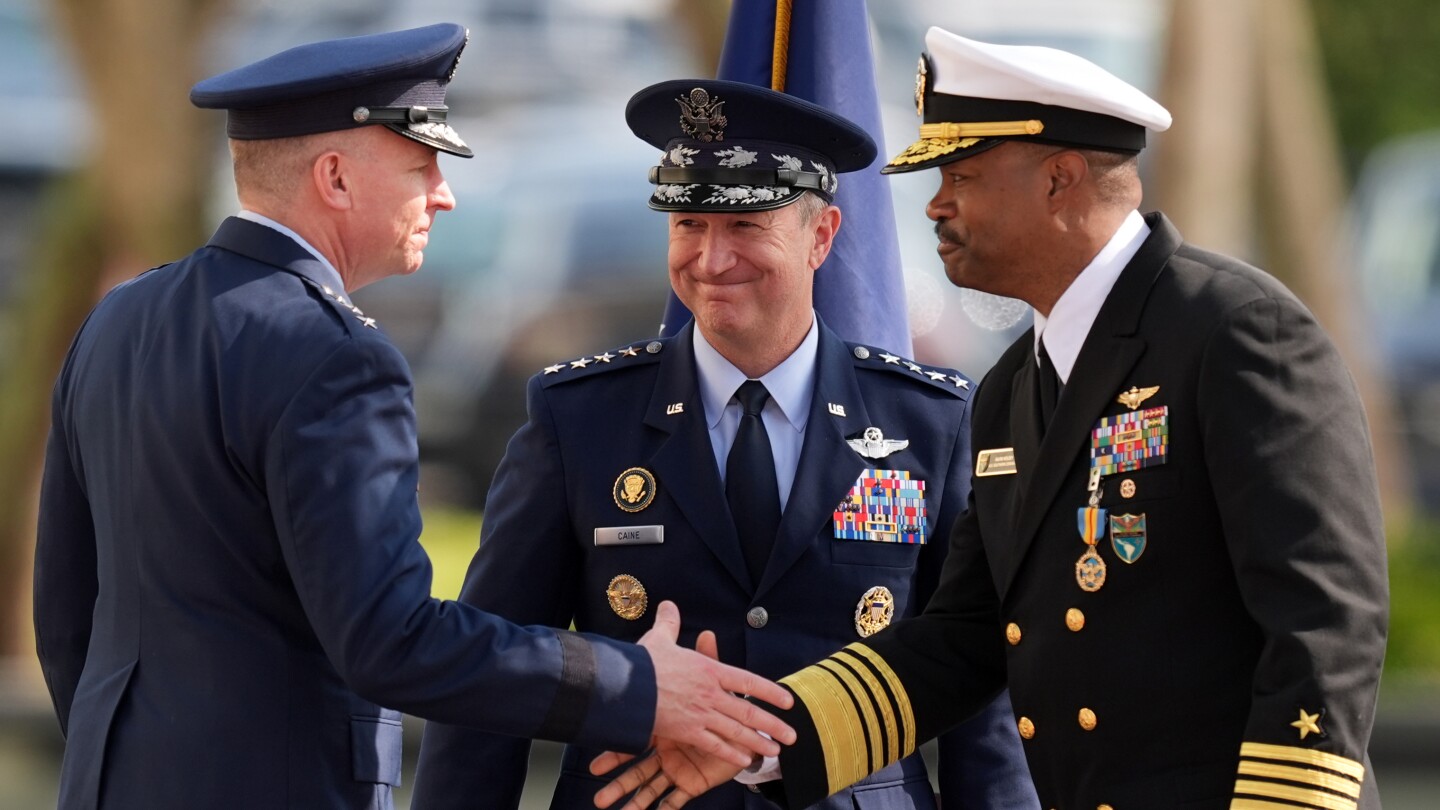
Admiral Alvin Holsey retired Friday after serving just one year in a position that typically spans three to four years. During a ceremony at U.S. Southern Command headquarters near Miami, Holsey transferred leadership duties to Air Force Lt. Gen. Evan Pettus, who had been serving as his deputy.
The ceremony took place against the backdrop of intensifying congressional scrutiny over Trump administration-authorized military strikes on suspected drug boats in the Caribbean Sea and eastern Pacific Ocean. These operations have resulted in at least 87 deaths since their inception.
In his farewell remarks, Holsey made no direct mention of these operations or his reasons for early retirement. Instead, he emphasized the importance of regional partnerships, telling his successor, “To be a trusted partner, we must be credible, present and engaged.”
The Pentagon announced Holsey’s unexpected retirement in October, more than a month after the controversial maritime campaign began. Earlier this week, Holsey briefed key lawmakers via classified video call as congressional concerns mounted.
Sen. Jack Reed, the top Democrat on the Senate Armed Services Committee, stated afterward that while Holsey answered senators’ questions, “there are still many questions to be answered.” Reed noted that Holsey characterized his retirement as a personal decision without elaborating further.
Friday’s ceremony was notably more subdued than typical command changes. It took place outdoors among a small gathering of mostly Southern Command staff. Defense Secretary Pete Hegseth was absent, as President Donald Trump has yet to nominate Holsey’s permanent replacement.
General Dan Caine, chairman of the Joint Chiefs of Staff, praised Holsey’s 37-year military career but made no reference to the controversial operations. Caine described Holsey as a “stoic” leader and “quiet professional” who “always leads with his heart and head.”
The military campaign targeting suspected drug vessels has drawn criticism from warfare experts, human rights groups, and even some Trump administration allies in Congress who question its legality. For decades, individuals suspected of drug trafficking were typically arrested at sea by the Coast Guard and brought to the United States for criminal prosecution rather than being subjected to lethal force.
The operation involves an impressive array of military assets, including warships, attack helicopters, thousands of troops, and even an advanced aircraft carrier. The Trump administration has defended these aggressive tactics by designating several Latin American drug cartels as foreign terrorist organizations and declaring that the United States is in armed conflict with these criminal groups—a legal framework that gained traction following the September 11 attacks.
The campaign has intensified pressure on Venezuelan President Nicolás Maduro, who faces narcoterrorism charges in the United States. In a significant escalation on Wednesday, U.S. forces seized a sanctioned oil tanker accused of smuggling illicit crude oil, a resource critical to Maduro’s hold on power. Maduro has claimed the true purpose of these operations is to force him from office.
Holsey’s departure adds to a series of abrupt retirements and dismissals among top military leadership since Hegseth assumed control of the Pentagon.
A native of Fort Valley, Georgia, with family military ties dating back to the Vietnam War, Holsey relinquished his command to Pettus as “Midnight Train to Georgia” played in the background. Pettus, a fighter jet pilot with combat experience in Afghanistan and Iraq, has served as Holsey’s deputy since late 2024, though his tenure as interim commander remains uncertain pending Senate confirmation of Trump’s eventual nominee.
Fact Checker
Verify the accuracy of this article using The Disinformation Commission analysis and real-time sources.

6 Comments
The timing of this transition is certainly interesting, coming just a month after the initial announcement. One wonders if there were internal disagreements or policy disputes that factored into the decision. In any case, I hope the new commander can bring a fresh perspective to these complex regional issues.
I’m curious to learn more about the specific reasons behind Admiral Holsey’s early retirement. Was it due to pressure over the controversial boat strikes, or were there other factors at play? Transparency around these leadership changes is crucial.
This is a concerning development. The anti-drug operations in Latin America have been quite controversial, and it’s troubling to see the leadership change hands amid this scrutiny. I hope the new commander will take a more transparent and accountable approach.
The high death toll from these maritime strikes is very alarming. While the fight against drug trafficking is important, these tactics seem overly aggressive and likely to escalate tensions in the region. I hope the new leadership will review these policies carefully.
I agree, a more measured and diplomatic approach could be more effective in the long run. Rebuilding trust with regional partners should be a top priority.
It’s good to see the Pentagon acknowledging the need for ‘credible, present and engaged’ partnerships in Latin America. Hopefully the new commander can chart a path forward that balances security concerns with respect for national sovereignty and human rights.