


Listen to the article
Mexican Government Faces Legal Backlash After Mass Cartel Transfers to U.S.
Lawyers and family members of prominent Mexican cartel figures launched a formal challenge against the Mexican government on Monday, accusing officials of circumventing legal procedures by transferring nearly 100 Mexican citizens to the United States without proper extradition orders.
The controversy erupted less than a week after President Claudia Sheinbaum’s administration transferred 37 detained cartel members to U.S. custody. Analysts view this move as a strategic gesture by Mexican authorities to appease mounting threats from U.S. President Donald Trump, who has repeatedly threatened military action against Mexican drug cartels.
Since February, Mexico has transferred a total of 92 cartel operatives to the United States in three separate operations requested by the Trump administration. These transfers form part of Sheinbaum’s broader strategy to combat cartel violence while maintaining positive diplomatic relations with the U.S.
The Mexican government insists these transfers were conducted legally under national security provisions. U.S. officials maintain that the individuals were wanted for crimes committed in the United States, with many facing outstanding extradition requests.
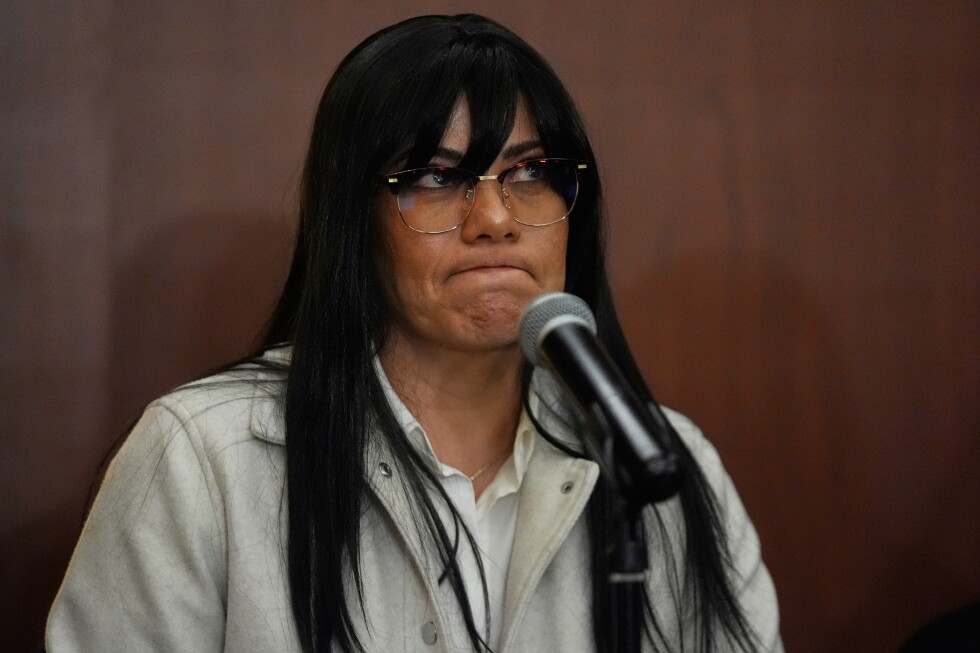
“Mexico is currently under intense pressure from the United States,” said Yarey Sánchez Lagunas at Monday’s press conference. Sánchez Lagunas, who represents two transferred cartel members, questioned whether these decisions “are being used to show political results, even if it comes at the expense of due process or the rule of law.”
Sánchez Lagunas serves as defense attorney for Itiel Palacios García, a Jalisco New Generation Cartel leader transferred in February, and Pablo Edwin Huerta Nuño, an Arellano Félix Cartel figure sent to the U.S. in August. The legal arguments echo those previously made by attorneys representing Joaquín “El Chapo” Guzmán, who is currently serving a life sentence in a Colorado maximum-security prison.
The legal challenge intensified when Vanesa Guzmán, partner of regional Zetas cartel leader Juan Pedro Saldívar Farías, filed a criminal complaint against high-ranking Mexican officials, including Security Minister Omar García Harfuch. Saldívar Farías was among those transferred last week and faces charges of arms and drug trafficking.
In her complaint to Mexico’s Attorney General’s Office, Guzmán accused Harfuch and other officials of “treason,” claiming the transfers amounted to exile. “As of today, we haven’t heard anything from him. He hasn’t even made his legally permitted call,” she stated.
Legal representatives for the transferred individuals noted they face significant obstacles in challenging the transfers now that their clients are outside Mexican jurisdiction.
Mike Vigil, former chief of international operations for the U.S. Drug Enforcement Administration, dismissed these complaints, praising U.S. authorities for “fast-tracking” a process often delayed by defense attorneys filing multiple injunctions to impede law enforcement efforts.
Vigil pointed out that Mexico’s constitution grants the president authority to take such actions when national security is at stake. He countered claims that the detainees posed no threat while incarcerated in Mexico, noting that cartel leaders frequently continue to direct criminal operations from within Mexican prisons.
“Sheinbaum did it to enhance cooperation with the U.S. government, but at the same time she understands that these individuals, if they remain in prisons there… they usually have access to their criminal organizations, have access through phones,” Vigil explained. “These fast tracks are extremely valuable in terms of making sure they face justice.”
The controversy highlights the complex balancing act facing the Sheinbaum administration as it navigates diplomatic pressure from the U.S. while attempting to maintain sovereignty over its judicial processes. It also underscores the ongoing challenges in the bilateral fight against drug cartels that have plagued both nations for decades.
Fact Checker
Verify the accuracy of this article using The Disinformation Commission analysis and real-time sources.

7 Comments
This is a concerning development. Bypassing legal extradition procedures raises serious questions about Mexico’s commitment to the rule of law. Effective cooperation between nations requires following established protocols, not ad hoc transfers.
I agree, the legal process should be respected. Hopefully this can be resolved through diplomatic channels to ensure proper procedures are followed.
This is a complex issue with national security implications on both sides of the border. While the legal concerns are valid, the context of the cartel threat may have factored into Mexico’s actions. Careful diplomacy will be needed to resolve the dispute.
The transfer of cartel members to the US without proper extradition is concerning. Both countries need to work together to combat organized crime, but this should be done through legitimate legal channels to uphold the rule of law.
It’s understandable that Mexico wants to address cartel violence, but undermining due process is a dangerous path. Maintaining the integrity of the justice system should be the priority, even when dealing with high-profile criminals.
You make a fair point. Upholding the law is critical, even in challenging circumstances. Mexico and the US will need to find a way to cooperate effectively while respecting each other’s legal frameworks.
Circumventing extradition protocols, even for high-profile criminals, sets a dangerous precedent. Mexico and the US must find a way to cooperate effectively on transnational criminal threats while respecting each other’s sovereignty and legal frameworks.