


Listen to the article
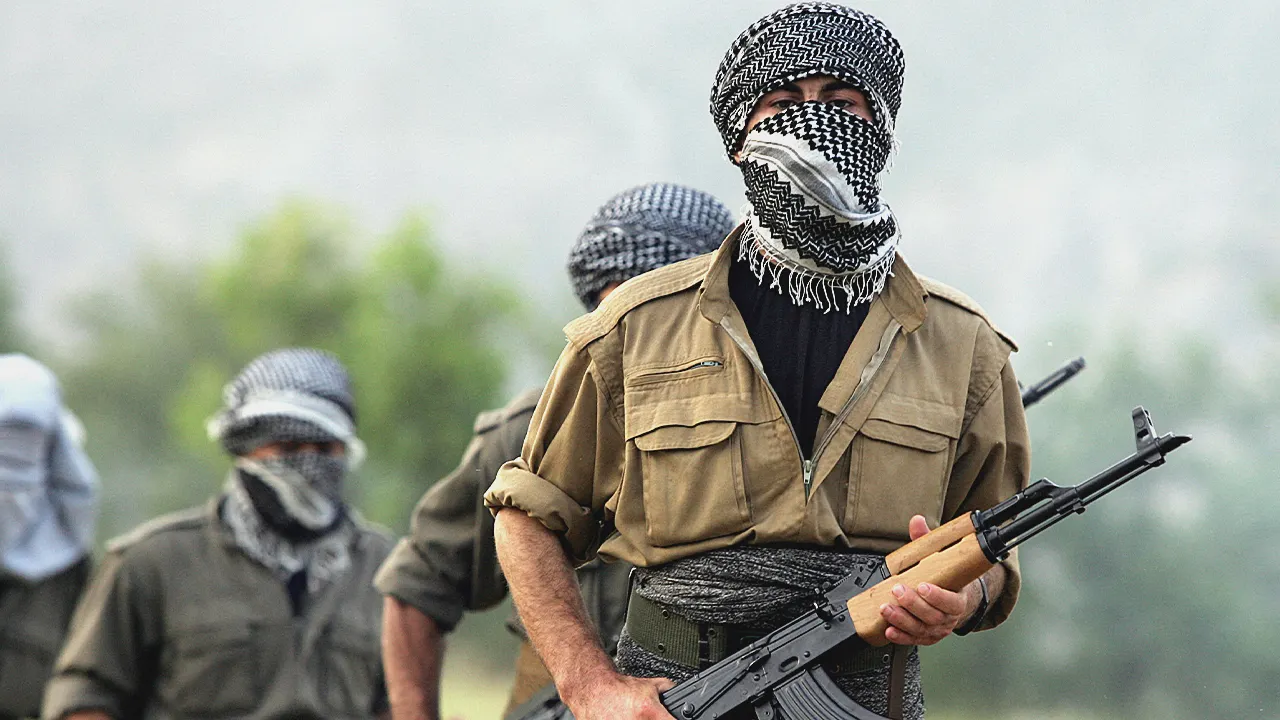
Armed Kurdish separatists have attempted to cross into Iran from Iraq amid the nation’s escalating unrest, raising concerns that the domestic turmoil has become a magnet for foreign militants who could further destabilize the region, according to multiple reports.
Iranian officials claim the attempted border breach occurred as the Islamic Revolutionary Guard Corps (IRGC) intensifies its crackdown on nationwide anti-government protests. The Tasnim News Agency reported that armed militia groups operating in Iraq crossed into western and northwestern Iran, information also confirmed by Middle East Monitor.
Reuters cited three sources, including a senior Iranian official, who stated that Turkey’s intelligence agency (MIT) warned the IRGC about Kurdish fighters attempting to cross the Iran-Iraq border. The Iranian official indicated that clashes erupted after the attempted crossing and accused the fighters of trying to exploit Iran’s internal chaos to foment additional instability.
The Kurdish population, numbering approximately 30 million across the Middle East with significant communities in Iran, Iraq, Syria, and Turkey, has long sought greater autonomy or independence. Turkey has designated Kurdish militant groups in northern Iraq as terrorist organizations and has conducted numerous cross-border military operations against them, particularly targeting bases of the Kurdistan Workers’ Party (PKK).
In 2025, the PKK announced it would disarm and end its decades-long conflict with Turkey, though regional tensions have persisted. Reuters reported that neither MIT nor President Recep Tayyip Erdoğan’s office commented on the Iran crossing incident, though Turkish officials warned that any interference in Iran could exacerbate regional crises.
Iranian authorities have alleged that fighters were dispatched from both Iraq and Turkey, and claim to have asked both governments to prevent any transfer of fighters or weapons into Iran. This development adds another layer of complexity to Iran’s already volatile situation, where domestic protests have met with brutal suppression.
The Human Rights Activists News Agency reports that at least 2,571 people have died during the government’s crackdown on protesters as of Wednesday. The scale of the violence has drawn international attention and condemnation, with many nations expressing concern about human rights violations.
President Donald Trump commented Wednesday that he had been informed the killings had stopped, adding that he believes there are no plans for large-scale executions. When questioned about his sources, Trump described them as “very important sources on the other side” without providing further details.
In a related development that highlights the tense situation, Iran closed its airspace to most flights on Wednesday, according to flight-tracking website Flightradar24. The closure lasted just over two hours, though Iranian officials did not provide a public explanation for the temporary restriction.
The attempted border infiltration by Kurdish separatists illustrates how Iran’s internal strife threatens to evolve into a more complex regional security challenge. With Kurdish fighters possibly seeking to leverage the chaos, and neighboring countries like Turkey closely monitoring developments, what began as domestic protests against the Iranian regime now carries implications for stability across the Middle East.
As the situation continues to evolve, regional powers and the international community remain concerned that further escalation could trigger wider conflict in an already fragile region.
Fact Checker
Verify the accuracy of this article using The Disinformation Commission analysis and real-time sources.

11 Comments
While the details are still emerging, this incident highlights the fragility of the situation along the Iran-Iraq border. Careful monitoring and de-escalation efforts by the relevant authorities will be crucial to prevent a broader outbreak of violence.
The reported border crossing attempt by Kurdish armed groups is a worrying sign of the potential for regional instability. It underscores the need for all parties to prioritize de-escalation and find political solutions to longstanding grievances.
This is a complex and sensitive situation that requires nuanced handling. While the security concerns are understandable, any heavy-handed responses risk further inflaming tensions and alienating the Kurdish population. A balanced approach focused on dialogue and conflict resolution is essential.
I agree. A measured, diplomatic response that addresses the legitimate concerns of all stakeholders is the best path forward. Resorting to force is likely to exacerbate the situation and lead to even greater instability.
This is a concerning development, as any attempts to escalate regional tensions could have serious consequences. It’s crucial that all sides exercise restraint and work towards a peaceful resolution of the underlying issues.
You’re right, the stability of the region is at stake. All parties should prioritize diplomacy to address the root causes and avoid further conflict spillover.
The reported border crossing attempt by Kurdish armed groups is a concerning development that underscores the fragile state of regional security. Ultimately, a political solution that respects the rights and interests of all parties is the only way to achieve lasting stability in the region.
The Kurdish fighters’ attempt to cross the border is a concerning development that could further inflame tensions in the region. However, it’s important to get a clearer picture of the motivations and goals behind this action before drawing conclusions.
You raise a fair point. More information is needed to understand the context and intentions behind this incident. Maintaining open communication channels and diplomatic avenues will be key to resolving the situation constructively.
The Kurdish population has long sought greater autonomy, but resorting to cross-border militant activity is unlikely to resolve their grievances in a constructive manner. A political solution that respects the rights and interests of all groups is needed.
I agree. Dialogue and negotiation, not armed confrontation, should be the path forward. All sides must be willing to make compromises for the sake of regional stability.