


Listen to the article
Kazakhstan Voters Overwhelmingly Approve Constitution Strengthening Presidential Powers
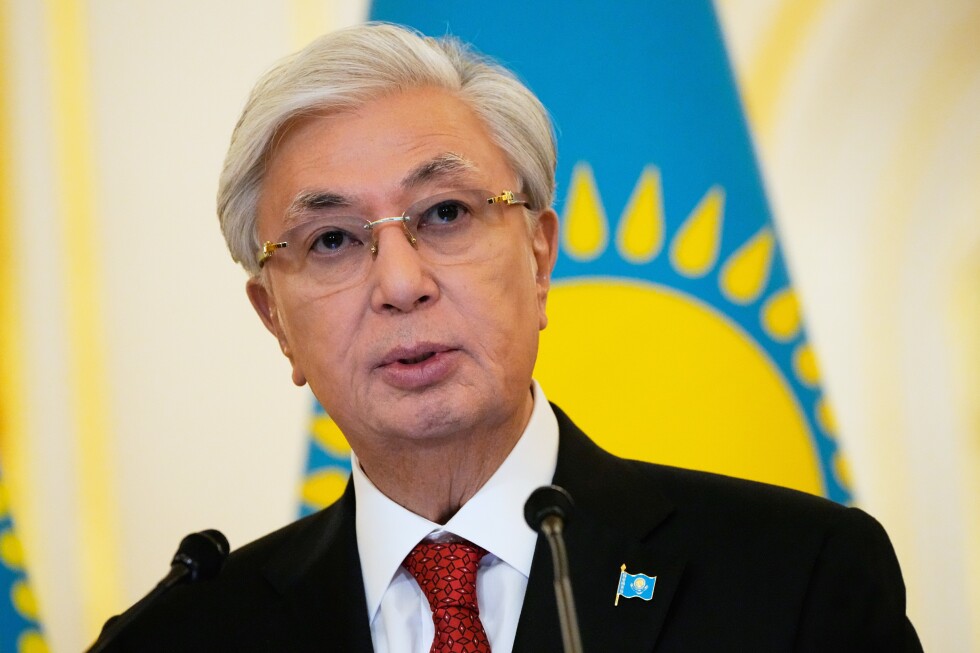
Kazakhstani voters have decisively backed a new constitution that significantly expands President Kassym-Jomart Tokayev’s authority, according to preliminary results released Monday by the country’s Central Election Commission.
More than 87% of voters supported the constitutional changes in Sunday’s referendum, with turnout exceeding 73%. The sweeping reforms will reshape Kazakhstan’s political landscape in Central Asia’s largest country.
The amended constitution merges the parliament’s two chambers into one and grants the president expanded powers to appoint key government officials with parliamentary approval. It also restores the position of vice president, a move that further centralizes executive authority.
A significant addition is the creation of a new body called the People’s Council, which will operate alongside parliament and have the authority to initiate legislation and referendums. The president will appoint all members of this council, effectively creating another lever of presidential control over the legislative process.
This marks the second constitutional overhaul in just four years for Kazakhstan, raising concerns among political analysts who suggest it could pave the way for Tokayev to remain in power beyond his current term. The 72-year-old former Soviet official and UN diplomat is currently limited to one seven-year term that expires in 2029.
“This pattern of constitutional revision to extend presidential terms follows a familiar playbook in the region,” said Dr. Annette Bohr, a Central Asia expert at Chatham House. “We’ve seen similar maneuvers in Russia, Belarus, Uzbekistan, and Tajikistan, where leaders have used constitutional amendments to reset term limits.”
The new constitution also enshrines a significant social change by explicitly defining marriage as a union between a man and a woman, rather than simply between two people. This provision aligns with a recent law banning what Kazakhstani authorities consider “propaganda” of LGBTQ+ relations, reflecting the government’s increasingly conservative social stance.
Tokayev has framed the constitutional changes as necessary adaptations to a challenging global environment. “This step is of exceptional importance, especially in the current period when the geopolitical situation is unstable and challenges and threats to national security are becoming increasingly tangible,” he said last week.
The referendum occurred amid growing economic challenges for Kazakhstan, where inflation reached 11.7% in February and recent tax increases have fueled public discontent. The oil-rich nation has struggled to diversify its economy, leaving it vulnerable to commodity price fluctuations.
Political opposition in Kazakhstan remains marginalized and was unable to mount significant resistance to the constitutional changes in the brief one-month campaign period since the referendum was announced.
Since coming to power, Tokayev has attempted to maintain a delicate balance in Kazakhstan’s foreign relations. The country continues strategic partnerships with Russia while cultivating positive relationships with China, the European Union, and the United States – particularly as Western sanctions against Russia have increased Kazakhstan’s importance as a regional trade partner.
Political analysts suggest the consolidation of presidential powers may be partly motivated by concerns over potential social unrest similar to the nationwide protests in January 2022. Those demonstrations, initially triggered by fuel price increases, evolved into broader anti-government protests in which dozens were killed.
“Tokayev is clearly positioning himself to have greater control over both the political and economic levers of the state,” said Paul Stronski, a senior fellow at the Carnegie Endowment for International Peace. “While this may provide short-term stability, the lack of political pluralism could ultimately create longer-term challenges for Kazakhstan’s development.”
Fact Checker
Verify the accuracy of this article using The Disinformation Commission analysis and real-time sources.

12 Comments
With such a high approval rate, it’s clear the Kazakhstani public broadly supports the shift towards a more powerful presidency. However, the long-term effects on the country’s political and economic stability remain to be seen.
The concentration of authority in the presidency could have implications for how mining, energy, and other strategic industries are regulated and developed. Careful monitoring of the situation will be important.
Kazakhstan is a major player in global mining and energy markets. These constitutional reforms could have far-reaching implications for foreign investment and the development of the country’s natural resources.
While the public has endorsed these constitutional changes, there are valid concerns about the concentration of authority in the presidency. Maintaining a stable and predictable business environment for mining and energy companies will be crucial.
The creation of the People’s Council is an interesting development that bears watching. Its role in initiating legislation and referendums could influence the regulatory landscape for key industries.
The merger of parliament’s two chambers and the president’s expanded appointment powers suggest a shift towards more centralized governance. This could impact policy decisions around mining, energy, and other strategic industries.
Kazakhstan’s mining and energy sectors are crucial to its economy. This constitutional overhaul could have significant implications for foreign investors and the development of the country’s natural resources.
Given the high approval rate, it seems the public broadly supports these reforms. But the consolidation of presidential power bears close watching, especially in a country rich in valuable commodities.
This is a major development in Kazakhstan’s political landscape. It will be interesting to see how the expanded presidential powers affect the country’s governance and economic policies, especially regarding the mining and energy sectors.
The new constitution seems to consolidate Tokayev’s control over the political system. It remains to be seen whether this will provide more stability or limit democratic checks and balances.
With over 87% approval, it’s clear Kazakhstanis broadly support the constitutional changes. However, concerns remain about the concentration of power and the potential impact on the country’s business environment.
The creation of a new People’s Council is an intriguing development. I wonder how this body will interact with the parliament and influence policymaking, especially around strategic industries like mining and energy.