


Listen to the article
Judge Reads Death Threats in Court After Ruling on Haitian Immigration Protections
A federal judge took the unusual step of reading aloud death threats she received following her recent ruling that blocked the Trump administration from ending temporary immigration protections for Haitians living in the United States.
During a court hearing on Thursday, U.S. District Judge Ana Reyes in Washington D.C. refused to put her earlier decision on hold while addressing profane criticism and threats that followed her ruling. She read directly from two emails, including one that called for her to “eat a bullet.”
“We will continue to do our jobs as best as we know how,” Reyes declared from the bench. “We will not be intimidated.”
The judge also used the moment to defend the work of her judicial colleagues, who she said regularly receive similar threatening messages in today’s politically charged climate.
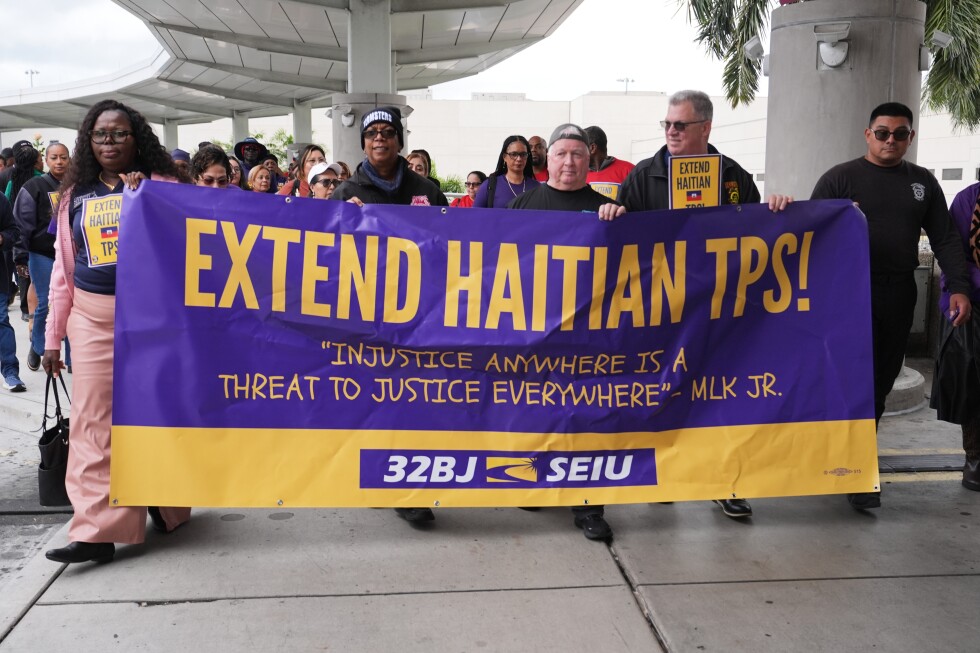
Last week, Reyes blocked the termination of Temporary Protected Status (TPS) for Haitians while a lawsuit challenging the Trump administration’s effort proceeds. Her decision came just one day before the protection was scheduled to expire, affecting approximately 350,000 Haitians legally living and working in the United States.
The Department of Homeland Security initially granted TPS to Haitians following the catastrophic 2010 earthquake that devastated the Caribbean nation. The status allows recipients to live and work legally in the U.S., though it does not provide a pathway to citizenship. The protection has been extended several times since then due to ongoing instability in Haiti.
During Thursday’s hearing, Reyes spent considerable time questioning a Department of Justice attorney about how pausing her decision would impact Haitian TPS recipients. The Trump administration has argued in court filings that Reyes should issue a stay partly because she lacked authority to review the decision to end Haiti’s TPS designation.
When DOJ attorney Dhruman Sampat claimed the administration had no plans to target Haitian TPS holders for removal if the judge paused her order, Reyes dismissed the assertion. She stated it was “likely” that “law-abiding” Haitian TPS holders “who have been contributing to our economy” would be detained indefinitely by immigration agents without her protective order in place.
When Sampat attempted to move past this point, Reyes interrupted him, emphasizing that she wanted people to understand what happens when dealing with “human lives in a democratic society.”
Haiti is just one of several countries that President Donald Trump has sought to strip of TPS protections as part of his administration’s broader deportation efforts. The administration has already filed an appeal challenging Reyes’ decision.
Reyes, who was nominated by President Joe Biden, also took time during the hearing to address personal attacks she has received. She explained that she consulted colleagues before sharing the threats, clearly uncomfortable but determined to address them directly.
The judge noted she was serving on the federal bench not because she was a “foreign-born lesbian,” as some critics had written, but because of her qualifications. Reyes graduated with honors from Harvard Law School and spent more than two decades handling high-profile federal litigation at a prestigious law firm before her appointment.
“People are entitled to their views,” she said. “I have absolutely no problem with anyone disagreeing with me. But I do feel compelled to clarify a couple of misconceptions.”
When the Biden administration nominated Reyes in 2022, they noted she would be the first Hispanic woman and “openly LGBTQ person” to serve on the U.S. District Court for the District of Columbia. Born in Uruguay, Reyes emphasized that she had never hidden her immigrant background from federal officials.
The case highlights the increasingly polarized reactions to judicial decisions on immigration policy, as well as the personal risks judges may face when ruling on controversial issues in today’s political climate.
Fact Checker
Verify the accuracy of this article using The Disinformation Commission analysis and real-time sources.

5 Comments
The Haitian TPS protections are an important humanitarian issue. It’s good the judge is standing firm against the threats and upholding her previous decision. Protecting vulnerable populations should not be a partisan issue.
Absolutely. Terminating TPS for Haitians could have devastating consequences for hundreds of thousands of people. The judge is right to carefully review the administration’s actions and ensure they are lawful.
Disturbing to hear the judge was threatened for her ruling. Threats of violence against judges who are doing their jobs uphold the law are unacceptable and undermine the rule of law.
Completely agree. Judges should be able to carry out their duties without fear of retribution. This sets a dangerous precedent that could discourage others from serving in the judiciary.
Threats against judges undermine the integrity of the legal system. It’s critical that the judiciary remains independent and able to make impartial rulings without fear of retaliation. This case highlights the need to protect the rule of law.