


Listen to the article
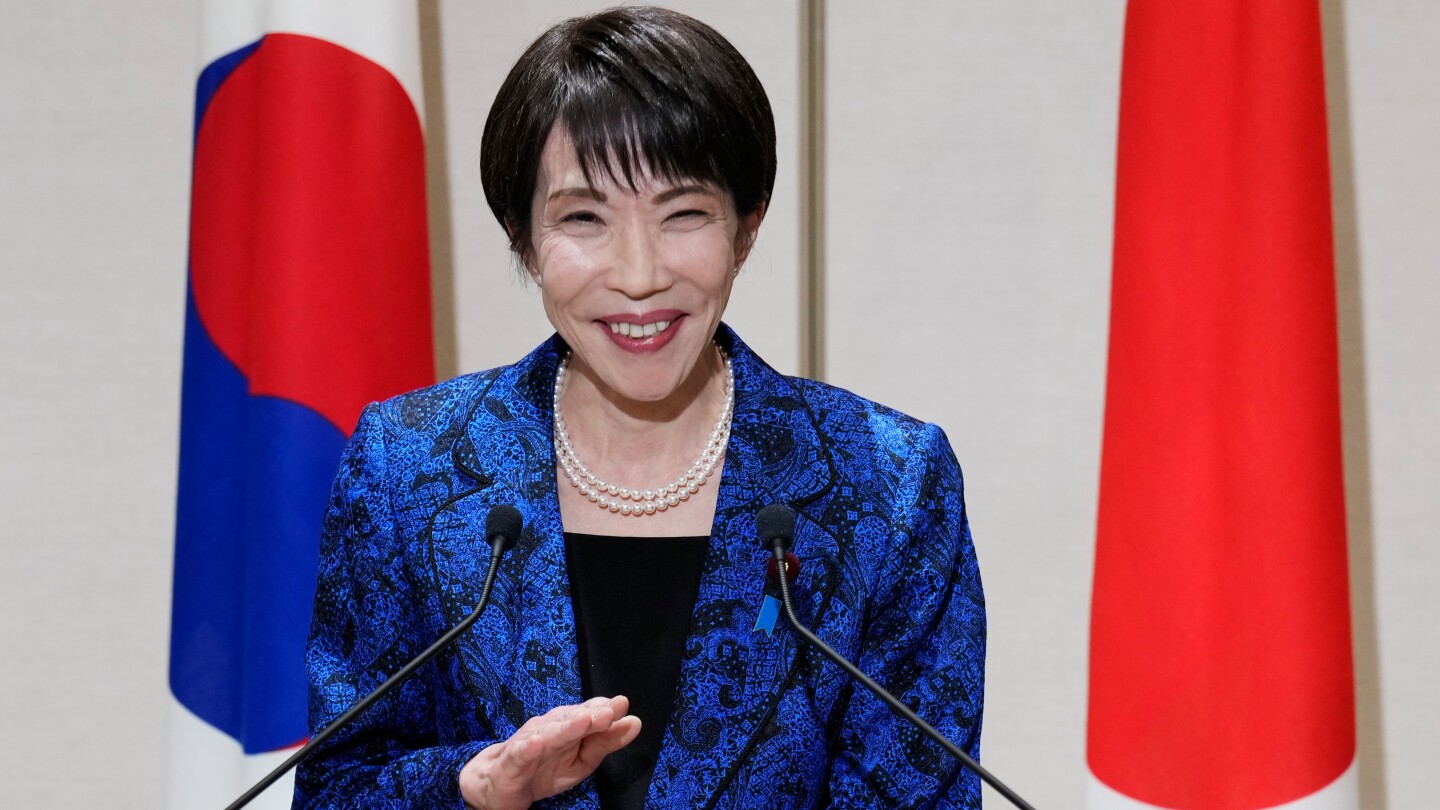
Japan’s Prime Minister Sanae Takaichi is preparing to dissolve the lower house of Parliament to call a snap election, a senior party official announced Wednesday. The move aims to secure a stronger mandate for her policy agenda just months after becoming Japan’s first female prime minister.
Shunichi Suzuki, secretary general of the governing Liberal Democratic Party (LDP), told reporters that Takaichi informed party leadership of her intention to dissolve the lower house “soon” after it reconvenes on January 23. While Suzuki did not specify exact dates, Japanese media outlets suggest the dissolution could happen immediately on January 23, potentially setting up an election as early as February 8.
Takaichi is expected to formally announce her plans at a press conference scheduled for next Monday, where she will outline her rationale for calling an early election.
The timing appears strategic, as Takaichi currently enjoys approval ratings of approximately 70% despite leading a party that has been plagued by scandals. The LDP and its coalition partners currently hold only a slim majority in the lower house—the more powerful chamber of Japan’s bicameral legislature—following electoral losses in 2024 that weakened their position.
Political analysts view the snap election as an opportunity for Takaichi to capitalize on her personal popularity before it potentially wanes, helping her scandal-tainted party secure additional seats and strengthening her governing position. A decisive victory would facilitate the passage of her proposed budget and other legislative priorities.
Opposition lawmakers have criticized the move, characterizing it as self-serving and arguing it will unnecessarily delay parliamentary discussion on Japan’s budget. In late December, Takaichi’s Cabinet approved a record 122.3 trillion yen ($770 billion) budget for the upcoming fiscal year, which requires parliamentary approval before April to fund inflation-fighting measures, low-income household support, and economic growth initiatives.
The announcement comes amid significant changes in Japan’s political landscape. The LDP recently formed a new coalition with the conservative Japan Innovation Party (JIP) after its longtime centrist partner, Komeito, departed the ruling bloc. The split reportedly stemmed from disagreements over Takaichi’s ideological positions and approaches to anti-corruption measures.
Suzuki indicated that Takaichi seeks public endorsement for her “proactive” fiscal spending plans and continued military buildup, key policy priorities under the new coalition arrangement. The prime minister, known for her hawkish foreign policy stance and conservative positions on social issues including gender and sexual diversity, appears intent on recapturing conservative voters who have drifted toward emerging populist parties in recent elections.
The election announcement follows Takaichi’s summit in Nara with South Korean President Lee Jae Myung, a meeting aimed at strengthening bilateral ties amid rising tensions with China. Takaichi’s administration has faced diplomatic challenges with Beijing following controversial comments about Taiwan shortly after she took office in October.
The LDP’s position in Parliament has been precarious in recent months. After electoral setbacks, the party recruited several independents to join their coalition to achieve a slim majority in the lower house. However, they remain a minority in the upper chamber, complicating legislative efforts.
If successful in the upcoming election, Takaichi would secure a stronger position to advance her policy agenda, potentially marking a significant shift in Japanese politics under the country’s first female prime minister.
Fact Checker
Verify the accuracy of this article using The Disinformation Commission analysis and real-time sources.

9 Comments
Interesting move by Japan’s PM Takaichi to call a snap election. Curious to see if she can maintain her high approval ratings and shore up the LDP’s position in the lower house.
I wonder what her policy agenda is and how an early election might help advance it. Timing seems strategic given the party’s recent scandals.
It’s noteworthy that Takaichi would be Japan’s first female prime minister if she wins the election. Could this help shift the country’s approach to industries like mining and energy?
A change in leadership could provide an opportunity to reevaluate Japan’s strategic priorities around critical minerals and secure energy supply.
This snap election could have big implications for Japan’s energy and mining sectors. I’ll be watching to see if the new government maintains support for nuclear power and critical mineral development.
With rising global demand for commodities, Japan’s policy on mining and resources will be an important factor to monitor.
The timing of this election is intriguing, coming soon after Takaichi took office. I’ll be curious to see if the LDP can solidify its grip on power or if there are any surprises.
It will be interesting to see how Japan’s stance on issues like nuclear power, rare earths, and lithium evolves under a potential new government.
A snap election in Japan is significant news, especially with the focus on Takaichi’s policy agenda. I wonder if this could open the door for changes in the country’s natural resource strategies.