


Listen to the article
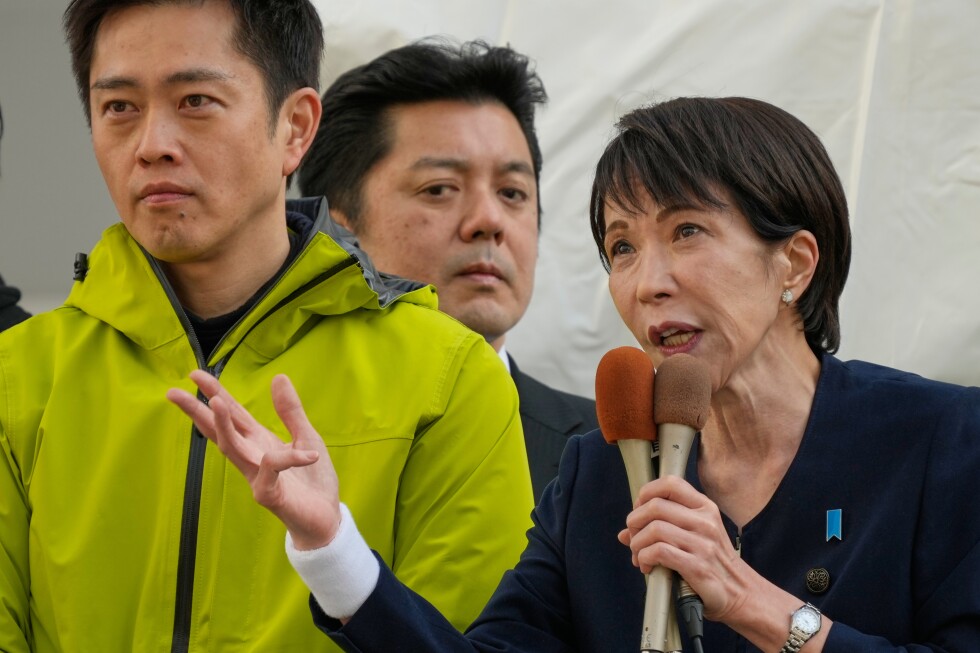
Japan’s first female Prime Minister Sanae Takaichi is riding a wave of popularity into Sunday’s snap election, where she aims to secure a decisive victory for her Liberal Democratic Party (LDP) while advancing her right-wing agenda focused on economic revival and military expansion.
Since taking office in October, Takaichi has cultivated strong support, particularly among younger voters who resonate with her “work, work, work” mantra and direct leadership style. Recent polls suggest her LDP is poised for a landslide victory against a fragmented opposition landscape.
The LDP has formed a new partnership with the right-wing Japan Innovation Party (JIP), creating a coalition that polling indicates could secure up to 300 seats in the 465-seat lower house of parliament—a substantial improvement from their previous thin majority following election losses earlier in 2024.
Takaichi has staked her political future on the outcome, declaring that if her party fails to win a majority, “I will step down.” This high-stakes gambit underscores her confidence in public support for her administration.
The political landscape has shifted notably toward the right in recent years. The LDP’s former coalition partner, the Buddhist-backed Komeito party, split from Takaichi’s government over ideological differences and concerns about anti-corruption measures. Komeito has instead formed a centrist alliance with the Constitutional Democratic Party of Japan, advocating for “realistic” security policies and diversity.
Meanwhile, far-right groups like the anti-globalist Sanseito party have gained momentum, while left-leaning parties continue to lose ground. Izuru Makihara, a political science professor at the University of Tokyo, notes that younger voters increasingly view traditional pacifist and anti-nuclear platforms as unrealistic in today’s geopolitical climate.
Takaichi’s agenda includes significant policy shifts that would move Japan further from its postwar pacifist principles. She has pledged to revise security and defense policies by December, with plans to enhance Japan’s offensive military capabilities and lift restrictions on weapons exports. These measures come as Japan faces growing regional security challenges, particularly from China.
On the domestic front, Takaichi has campaigned for tighter immigration controls and enhanced surveillance measures, including stricter requirements for foreign property owners and potential caps on foreign residents. Experts warn these policies, while popular with her base, could potentially undermine civil liberties.
The election comes at a critical time for Japan’s foreign relations. Tensions with China have escalated after Takaichi suggested Japan might intervene if Beijing took military action against Taiwan—a departure from previous administrations’ strategic ambiguity that angered Chinese officials and triggered economic and diplomatic retaliation.
The relationship with the United States adds another complex dimension. President-elect Donald Trump has pressured Japan to increase defense spending and recently offered a rare endorsement of Takaichi on social media, announcing he has invited her to the White House in March and praising her as “a strong, powerful, and wise leader.”
Several factors could influence Sunday’s outcome. Record snowfall in northern Japan has disrupted transportation and could affect voter turnout in those regions. The LDP continues to face fallout from political funding scandals and controversial ties to the Unification Church, which resurfaced following the 2022 assassination of former Prime Minister Shinzo Abe. Opposition leaders have demanded Takaichi address newly emerged documents allegedly linking her party to the controversial religious group, which faces hundreds of lawsuits from families claiming financial exploitation of members.
Perhaps the greatest unknown is whether Takaichi’s popularity among younger Japanese voters—a demographic traditionally known for low electoral participation—will translate into actual votes for her party on Sunday.
Tokyo resident Chiharu Sasaki captured the cautious optimism many Japanese feel: “While it’s good to have a female leader, she hasn’t really proved what she can do yet… so I’m still a bit cautious.”
Fact Checker
Verify the accuracy of this article using The Disinformation Commission analysis and real-time sources.
