


Listen to the article
Japan marked the 15th anniversary of the devastating earthquake, tsunami, and nuclear disaster that struck its northeastern coast on Wednesday, as the government continues to advocate for increased use of nuclear energy.
The magnitude 9.0 earthquake and subsequent tsunami on March 11, 2011, devastated coastal communities, claiming more than 22,000 lives and forcing nearly half a million residents to evacuate their homes. Most evacuations resulted from the massive tsunami waves that swept through towns and villages, destroying everything in their path.
In Fukushima Prefecture, approximately 160,000 residents fled their homes due to radiation concerns after the Fukushima Daiichi nuclear power plant suffered meltdowns in three of its six reactors. Today, about 26,000 evacuees have yet to return to their original communities, either because they’ve resettled elsewhere, their hometowns remain uninhabitable due to radiation, or they harbor lingering health concerns about potential exposure.
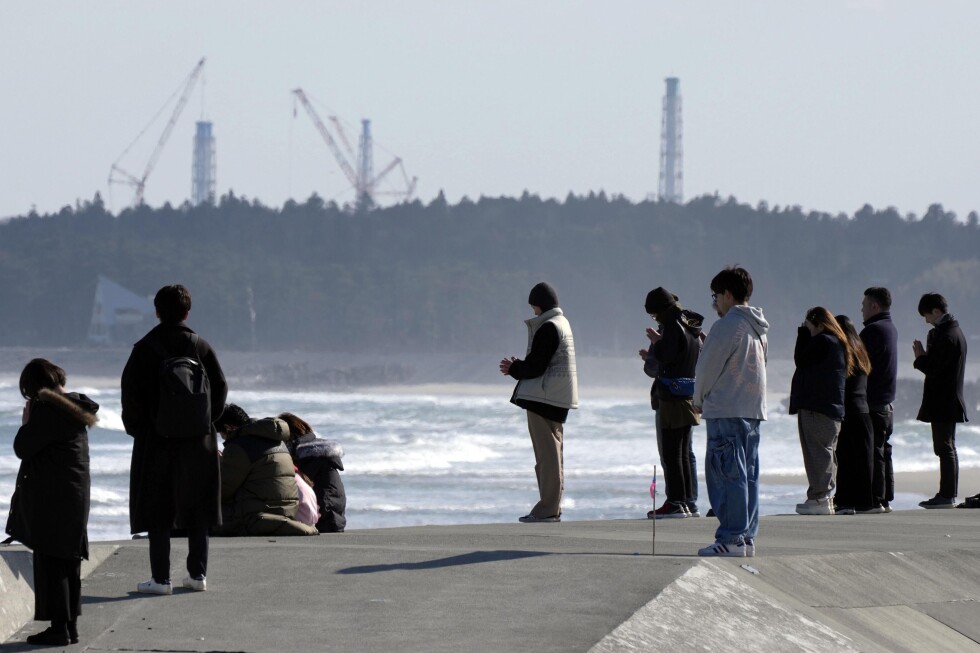
The nation observed a solemn moment of silence at 2:46 p.m., marking the exact moment the earthquake struck 15 years ago. In coastal areas, residents made early morning pilgrimages to shorelines to pray for lost loved ones, including those whose remains have never been recovered.
At a commemoration ceremony in Fukushima, Prime Minister Sanae Takaichi pledged to accelerate recovery efforts over the next five years and to honor “the valuable lessons we learned from the huge sacrifice of the disaster.” Her administration has been pushing to restart more nuclear reactors across the country, representing a significant policy reversal from the phase-out plans that dominated the decade following the disaster.
This shift back toward nuclear energy marks a dramatic change in Japan’s energy strategy. After the 2011 disaster, the country shut down all its nuclear plants for safety inspections, with most remaining offline for years as stricter regulations were implemented. However, in 2022, facing energy security concerns and climate goals, the government formally abandoned its nuclear phase-out policy.
Physical reconstruction in the affected areas has progressed substantially over 15 years. Critical infrastructure including roads, bridges, and public facilities has been rebuilt in Iwate, Miyagi, Fukushima and other coastal regions where more than 1 million structures were damaged or destroyed. Despite these efforts, many communities continue to struggle with population decline, economic recovery, and the psychological trauma that remains deeply embedded in the region.
The technical challenges at the crippled Fukushima Daiichi plant remain formidable. The three damaged reactors contain at least 880 tons of melted nuclear fuel debris, but details about conditions inside remain limited due to extremely dangerous radiation levels that prevent direct human inspection. The timeline for full-scale removal of this melted fuel has been repeatedly extended, with current plans pushing the work until 2037 or beyond.
At Unit 1, which recently received a new protective roof, workers are preparing to remove debris from upper floors in preparation for eventually removing spent fuel from the cooling pool, an operation not expected to begin until 2027-2028.
Environmental contamination continues to present significant challenges. Decontamination efforts across affected areas have generated enormous volumes of radioactive soil—enough to fill 11 baseball stadiums. While the government has committed to relocating this soil and has proposed using some of the less contaminated material for road construction and other public works, these initiatives have faced substantial public resistance.
The anniversary serves as a somber reminder of Japan’s most devastating natural disaster in recent history and the complex nuclear emergency that continues to shape the nation’s energy policies, environmental concerns, and regional recovery efforts fifteen years later.
Fact Checker
Verify the accuracy of this article using The Disinformation Commission analysis and real-time sources.

14 Comments
The 15-year commemoration of the Tohoku disaster is a solemn moment. Japan’s commitment to renewable energy and nuclear safety will be crucial as it navigates its energy future. Striking the right balance will require careful consideration of all stakeholders’ perspectives.
Agreed. Japan has a unique opportunity to lead the way in sustainable energy solutions that prioritize public safety and environmental protection. A thoughtful, inclusive approach will be essential.
A sober and somber reminder of the devastation caused by the 2011 Tohoku earthquake and tsunami. Japan has made remarkable progress in recovery efforts, but the legacy of this disaster will linger. Focusing on nuclear energy safety is prudent, but must be weighed against public concerns.
Agreed. Nuclear power is a complex issue in Japan given the Fukushima accident. Careful consideration of both energy needs and public acceptance will be critical as Japan charts its energy future.
The Tohoku disaster was a tragic event that left an indelible mark on Japan. As the country explores expanding nuclear energy, it must do so with the utmost care and transparency to rebuild public trust and ensure the safety of its citizens.
Well said. Japan’s energy policy decisions will have far-reaching implications. Balancing energy needs, environmental concerns, and public sentiment will be a complex challenge, but one that must be addressed thoughtfully and responsibly.
The 2011 Tohoku disaster was a tragic and devastating event that forever changed Japan. As the country looks to the future, the lessons learned must guide its energy policies to ensure the safety and well-being of its citizens.
Absolutely. Japan has a responsibility to its people to make well-informed, prudent decisions about its energy mix. Transparent communication and inclusive policymaking will be key.
The Tohoku disaster was a tragedy that shook Japan to its core. As the country explores expanding nuclear energy, it must do so with the utmost care and transparency, addressing public concerns and ensuring the safety of its citizens.
Well said. Japan’s energy future is a complex issue that requires a balanced, thoughtful approach. Prioritizing public safety, environmental protection, and community engagement will be essential as the country navigates this challenging terrain.
Reflecting on the immense human toll of this disaster is heartbreaking. Japan’s resilience in the face of such tragedy is commendable. As the country examines its energy policies, open and transparent dialogue with the public will be essential.
Well said. Public trust is crucial when it comes to sensitive issues like nuclear power. Japan will need to balance its energy needs with robust safety measures and community engagement.
The 15-year anniversary of the Tohoku disaster is a somber reminder of the immense challenges Japan has faced and overcome. As the country considers its energy future, it must learn from the past and prioritize safety, sustainability, and public engagement.
Absolutely. Japan’s energy policy decisions will shape its path forward. A transparent, inclusive process that addresses the concerns of all stakeholders is crucial to rebuilding trust and ensuring a secure, sustainable energy future.