


Listen to the article
Japanese Citizen Detained in Iran Since January, Tokyo Demands Swift Release
Japanese government officials confirmed Wednesday that an unidentified Japanese national has been detained in Tehran since January, as diplomatic tensions between Japan and Iran appear to be escalating.
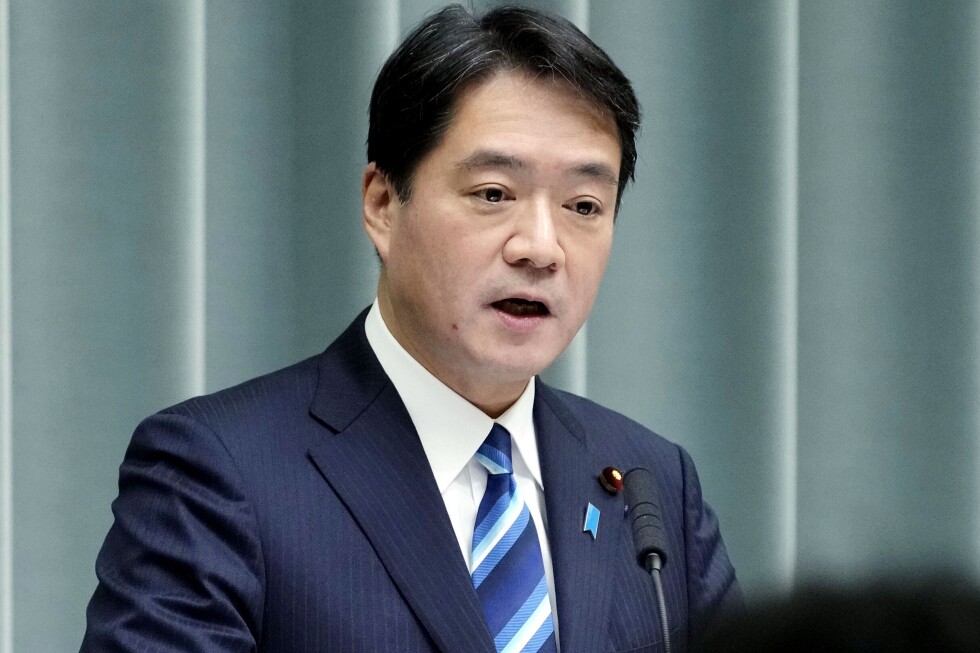
Deputy Chief Cabinet Secretary Masanao Ozaki acknowledged the detention during a press conference in Tokyo after being questioned about foreign media reports on the case. While confirming the January 20 arrest date, Ozaki provided few additional details, citing privacy concerns.
“The government is maintaining contact with the detained individual and their family members while providing all necessary support through appropriate diplomatic channels,” Ozaki stated.
Foreign Ministry officials indicated the Japanese citizen is believed to be in good health, despite Japanese diplomatic representatives not yet being granted an in-person meeting with the detainee. The ministry declined to specify the charges against the individual or provide details about the circumstances surrounding the arrest.
This detention occurs against a backdrop of complex international relations in the Middle East. Japan has historically maintained relatively stable diplomatic ties with Iran, even as the Islamic Republic has faced international isolation due to its nuclear program and regional activities. Japan, heavily dependent on Middle Eastern oil, has often tried to balance its alliance with the United States with its need to maintain workable relations with Iran.
The detention also follows a pattern of foreign nationals being arrested in Iran in recent years. Several Western countries, including the United States, Britain, and France, have had citizens detained in Iran, with some analysts suggesting these arrests sometimes serve as leverage in international negotiations.
According to Foreign Ministry data, approximately 200 Japanese nationals currently reside in Iran, with 150 of them based in Tehran. The Japanese government typically issues travel advisories for its citizens regarding countries with political instability or security concerns, though it’s unclear what specific guidance was in place for Iran prior to this incident.
International human rights organizations have previously expressed concern about detention conditions and judicial processes in Iran, particularly for foreign nationals. Access to legal representation and consular visits are sometimes restricted, complicating diplomatic efforts to assist detained citizens.
The Japanese government’s public demand for a swift release indicates the seriousness with which Tokyo views the situation. Such direct public statements are somewhat unusual in Japanese diplomacy, which often favors behind-the-scenes negotiations, suggesting that more discreet approaches may have already been attempted.
Economic relations between Japan and Iran have fluctuated significantly in recent decades. Prior to international sanctions, Japan was one of Iran’s major trading partners and oil customers. Though trade diminished following various sanctions regimes, Japan has maintained some economic ties with Iran.
The Japanese Foreign Ministry has not indicated whether this detention might affect broader bilateral relations or if it’s coordinating its response with other nations that have faced similar situations with Iranian authorities.
As the situation develops, international observers will be watching to see whether this case follows the pattern of previous detentions of foreign nationals in Iran, some of which have resulted in prisoner exchanges or releases following diplomatic negotiations.
Japanese officials have promised to continue providing updates on the situation as appropriate while respecting the privacy of the individual and their family during this challenging period.
Fact Checker
Verify the accuracy of this article using The Disinformation Commission analysis and real-time sources.
