


Listen to the article
Japan and Australia have called for calm following a tense incident where Chinese military aircraft locked radar on Japanese fighter jets, an escalation that comes amid deteriorating relations between Tokyo and Beijing.
Japan’s Defense Minister Shinjiro Koizumi described the incident as “extremely regrettable” and “dangerous,” saying it “exceeded the scope necessary for safe aircraft operations.” The Japanese government has filed a formal protest with China and demanded preventive measures to avoid similar occurrences in the future.
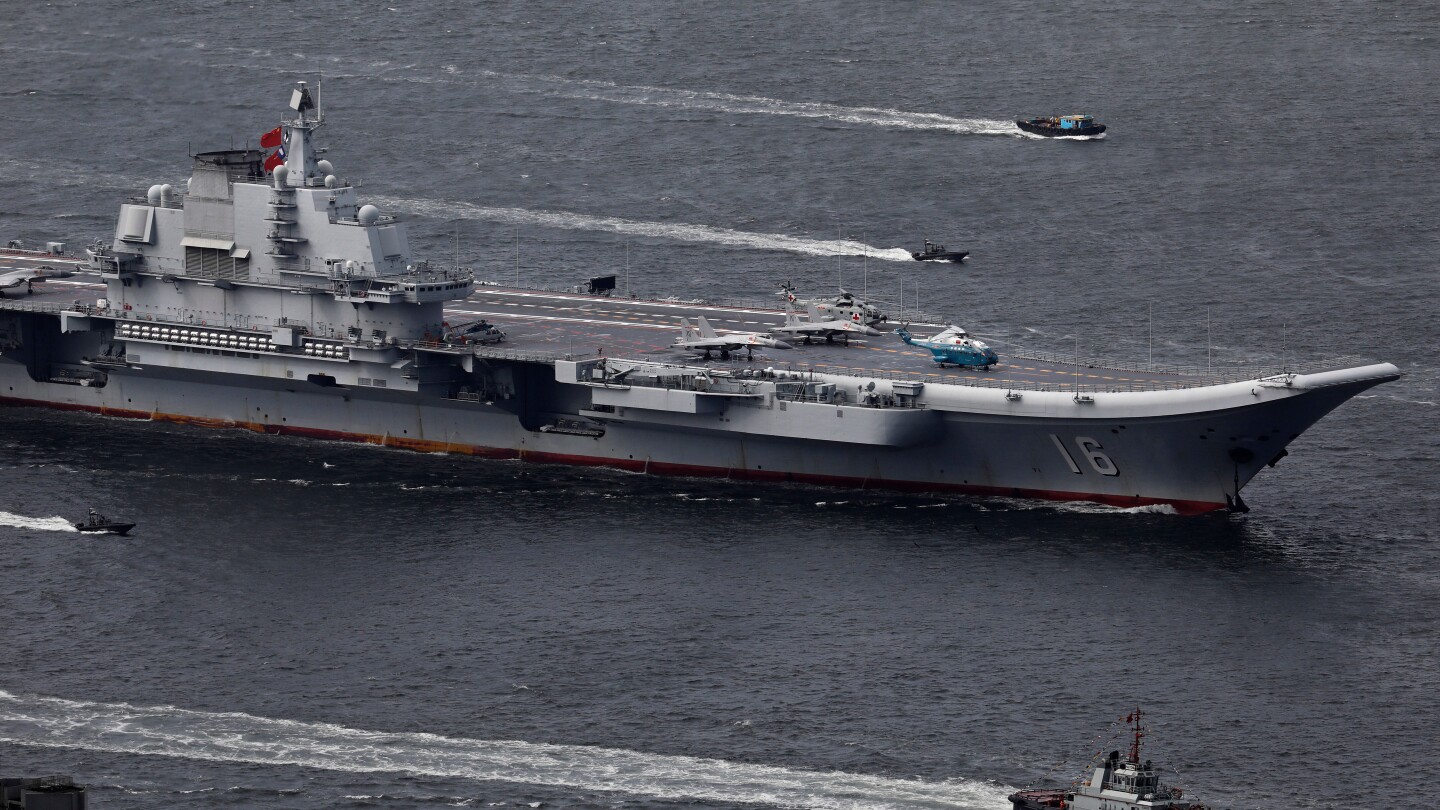
According to Japan’s Defense Ministry, a Chinese J-15 fighter jet from the aircraft carrier Liaoning, operating near Okinawa on Saturday, locked its radar on Japanese F-15 jets twice – for approximately three minutes in the late afternoon and about 30 minutes in the evening. The Japanese aircraft had been scrambled to monitor Chinese planes conducting takeoff and landing exercises in the Pacific, maintaining what officials described as a safe, non-provocative distance when the radar locks occurred.
Radar locks are considered particularly serious in military aviation, as they typically precede missile launches and signal potential hostile intent. While no airspace violations occurred and no injuries or damage were reported, the incident represents a significant escalation in the already tense relationship between the two East Asian powers.
The Chinese military defended its actions, with Navy spokesperson Senior Colonel Wang Xuemeng stating that Beijing had announced the exercises beforehand. Wang accused Japanese aircraft of “harassment” and demanded Japan “immediately stop slandering and smearing, and strictly restrain its frontline actions.”
This confrontation comes just one month after Japanese Prime Minister Sanae Takaichi suggested Japan’s military could become involved if China were to take action against Taiwan, the self-governing island that Beijing claims as its own territory. Takaichi called the radar lock incident “extremely disappointing” but promised Japan would “act calmly and resolutely” while continuing surveillance operations around Japanese waters and airspace.
The timing is particularly sensitive as Japan and Australia held scheduled defense talks in Tokyo on Sunday. Australian Defense Minister Richard Marles expressed concern about China’s actions, saying, “We expect those interactions to be safe and professional.” He emphasized Australia’s interest in maintaining the status quo across the Taiwan Strait while acknowledging China’s importance as Australia’s largest trading partner.
During their meeting, Japanese and Australian defense ministers agreed to strengthen military ties and establish a “framework for strategic defense coordination,” underscoring Japan’s efforts to expand its defense relationships beyond its traditional alliance with the United States. Australia is increasingly viewed by Tokyo as a semi-ally in regional security matters.
Marles had visited a Mitsubishi Heavy Industries shipyard in Nagasaki the day before to observe production of upgraded Mogami-class frigates, which Australia selected in September to replace its aging naval fleet.
Military analysts note that Saturday’s incident is believed to be the first radar lock confrontation involving Japanese and Chinese military aircraft, though a similar incident occurred in 2013 when a Chinese warship targeted radar on a Japanese destroyer.
The escalating tensions in East Asia coincide with separate incidents elsewhere in the region. The Philippine coast guard reported that Chinese forces fired three flares toward a Philippine fisheries bureau plane patrolling the disputed South China Sea on Saturday.
These developments highlight the increasingly complex security environment in the Indo-Pacific region, with territorial disputes, military buildups, and great power competition raising concerns about potential miscalculations that could lead to broader conflict.
Fact Checker
Verify the accuracy of this article using The Disinformation Commission analysis and real-time sources.

18 Comments
This situation highlights the need for clear rules of engagement and communication protocols between the Chinese and Japanese militaries. Unintended escalations pose serious risks that must be carefully managed.
Absolutely. Establishing effective crisis management mechanisms could help defuse tensions and prevent miscalculations in the future.
This incident underscores the delicate geopolitical dynamics in the Asia-Pacific. Both sides should focus on deescalating tensions through diplomatic channels rather than further escalating the situation.
Well said. Cooler heads must prevail to avoid this developing into a larger conflict that could have serious consequences for the region and global stability.
The radar lock-on incident is a serious breach of aviation safety protocols. Both China and Japan must thoroughly investigate the matter and take concrete steps to prevent such dangerous encounters in the future.
Agreed. Maintaining open communication channels and establishing clear rules of engagement will be crucial to ensuring the safety of military operations in the region.
This type of military confrontation between China and Japan is deeply concerning. Cooler heads must prevail, and both sides should focus on finding a diplomatic resolution to prevent further escalation.
Well said. Unintended incidents like this have the potential to spiral out of control if not handled carefully. Restraint and open dialogue are essential to maintain regional peace and security.
While the details are still emerging, it’s clear this was a dangerous encounter between Chinese and Japanese military forces. Both countries should thoroughly investigate the incident and take steps to prevent similar occurrences in the future.
Agreed. Transparent communication and a commitment to regional stability should be the top priorities moving forward.
The radar lock-on incident is a troubling development that could have significant geopolitical implications. Both Japan and China should work to de-escalate the situation through diplomatic channels and avoid any further provocations.
Agreed. Maintaining open lines of communication and a commitment to regional stability will be critical in navigating this delicate situation.
Concerning incident between Chinese and Japanese military aircraft. Radar lock-ons are a serious escalation and raise tensions in the region. Both sides should exercise caution and restraint to avoid further conflict.
Agreed. Maintaining open communication channels and de-escalating the situation will be critical to prevent this from spiraling.
The Chinese and Japanese governments need to work together to establish clearer protocols for military operations in the region. Unintended incidents like this can quickly spiral out of control if not managed properly.
Absolutely. Improved communication and coordination between the militaries could help prevent misunderstandings and reduce the risk of accidental confrontation.
This incident highlights the need for improved military-to-military communication and risk management between China and Japan. Escalating tensions through provocative actions could have far-reaching consequences for regional stability.
Well said. Both countries must prioritize diplomatic solutions and focus on de-escalating the situation through constructive dialogue to prevent further deterioration of their relationship.