


Listen to the article
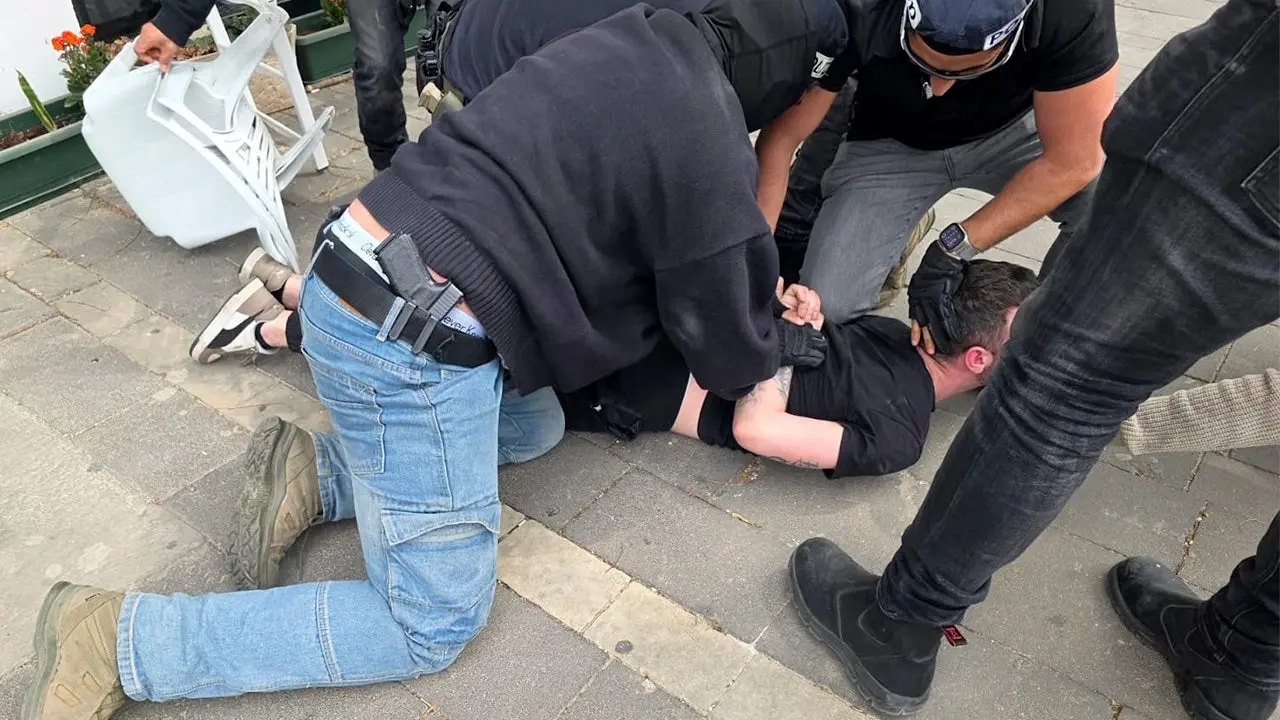
Israeli authorities have arrested a 22-year-old Haifa resident for participating in an Iranian-backed assassination plot targeting a high-ranking Israeli official, believed to be former Prime Minister Naftali Bennett, according to reports released after a gag order was lifted.
Ami Gaydarov was arrested last month on suspicion of collaborating with an Iranian agent to gather intelligence and construct a bomb intended for use against the official. Investigators say Gaydarov was unaware of the specific identity of the intended target, highlighting Iran’s operational security measures in their proxy operations.
According to Israeli police, Gaydarov initiated contact with his Iranian handler in August 2025 and received approximately $23,000, primarily in cryptocurrency, to execute various preparatory tasks for the assassination plot. As part of his role, he rented an apartment in downtown Haifa that served as a laboratory for bomb production.
“To facilitate the contacts with his handlers, Gaidarov purchased dedicated phones and rented an apartment in Haifa where he produced the explosive substance, while documenting his activities in videos and photos that were sent to his handler as proof of compliance,” Israeli police stated in their official announcement.
Three additional suspects have been detained in connection with the plot, including Sergey Leibman and Edward Shovtiuk, with the fourth suspect remaining unnamed. Authorities indicated that formal indictments for all four individuals are expected to be filed in the coming days, suggesting the investigation has gathered substantial evidence.
The uncovering of this assassination plot occurred within the framework of Israel’s “Operation Roaring Lion,” a major military campaign launched against Iran on February 28, 2026, coinciding with the outbreak of direct hostilities between the two nations. The operation represents Israel’s broader counterintelligence efforts against Iranian proxy activities within its borders.
This case is part of a larger pattern of Iranian espionage and terrorism activities targeting Israel. Over the past several months, Israeli security forces have secured more than 40 indictments against approximately 60 defendants accused of working on behalf of the Iranian government. The escalation has prompted Prime Minister Benjamin Netanyahu to order that Israeli citizens convicted of espionage for Iran be stripped of their citizenship, a significant legal response indicating the severity of the threat.
The increasing intensity of Iran’s proxy operations extends beyond Israel’s borders. Just last week, French officials disclosed that a pro-Iran group was responsible for a failed bombing attempt targeting a Bank of America office in Paris, demonstrating Iran’s willingness to extend its operations throughout Europe and potentially against Western financial institutions.
The tensions in the Strait of Hormuz have further complicated the geopolitical landscape. President Trump has recently increased pressure on Iran as maritime traffic slows in this crucial waterway, emphasizing the need for what he termed a “REAL AGREEMENT” with the Iranian regime. According to diplomatic sources, Vice President Vance, along with administration officials Steven Witkoff and Jared Kushner, are scheduled to conduct peace talks with Iranian representatives in Pakistan this Saturday.
The Trump administration is reportedly exploring potential consequences for NATO allies that did not support the Iran war effort, raising concerns about alliance cohesion at a time when regional stability remains precarious. The current ceasefire in the Middle East is described by diplomatic observers as fragile, with ongoing instability threatening to reignite broader regional conflict.
This latest arrest underscores the complex and dangerous proxy warfare being waged between Iran and Israel, with implications extending far beyond the immediate region. As military and diplomatic efforts continue, security experts warn that Iranian-backed operations against Israeli targets are likely to persist, potentially expanding to include Western allies and interests across multiple continents.
Fact Checker
Verify the accuracy of this article using The Disinformation Commission analysis and real-time sources.

8 Comments
The use of proxy forces and encrypted communications to obscure Iran’s involvement in this assassination attempt is troubling. It highlights the need for robust counterintelligence and cybersecurity measures to identify and disrupt such illicit activities.
Agreed. Maintaining the security and stability of democratic institutions should be the top priority in addressing these threats.
This case highlights the ongoing threat of state-sponsored terrorism and the importance of robust intelligence-sharing and international cooperation to disrupt such plots. Maintaining public safety must be the top priority.
The alleged use of cryptocurrency to fund this assassination plot is concerning. It speaks to the need for greater regulation and oversight of digital financial systems to prevent their misuse by bad actors.
You raise a valid point. Cryptocurrency’s anonymity can enable illicit activities, and addressing this challenge should be a priority for policymakers.
This is a deeply concerning development. Targeting political figures with explosives is an egregious violation of democratic norms and cannot be tolerated. I hope the authorities are able to fully uncover the scope of this Iranian-backed plot and bring all responsible parties to justice.
While the details are still emerging, this case underscores the importance of vigilance against foreign interference in domestic politics. I hope the investigation can shed more light on Iran’s role and the full extent of their activities in Israel.
Absolutely. Transparency and accountability are crucial for restoring public trust in the aftermath of such a serious incident.