


Listen to the article
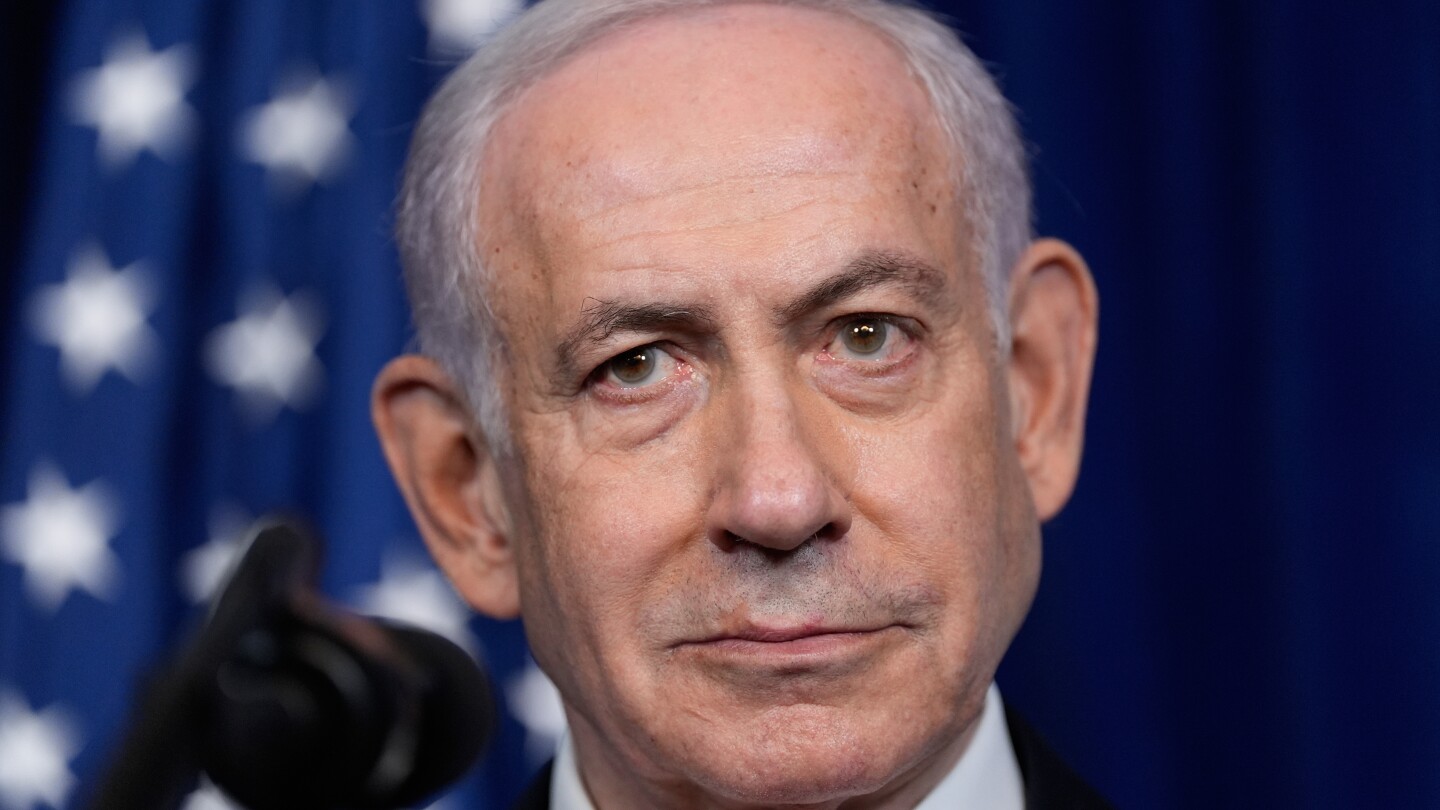
Israeli Prime Minister Benjamin Netanyahu announced Wednesday that he will join U.S. President Donald Trump’s Board of Peace, reversing his earlier position when his office had criticized the composition of the committee overseeing Gaza operations.
The development comes as several European nations have declined participation. Norway and Sweden both announced they would not join the board at this stage, following France’s earlier decision to abstain. French officials have expressed concerns that the board might aim to replace the United Nations as the primary mediator in global conflicts.
The Board of Peace, chaired by Trump, was initially conceived as a small group of world leaders tasked with overseeing the Gaza ceasefire implementation. However, the Trump administration has significantly expanded its scope, with invitations now extended to dozens of nations. Trump has indicated the board may soon broker resolutions to other global conflicts.
Trump is currently attending the World Economic Forum in Davos, Switzerland, where he is expected to provide additional details about the board’s structure and mission.
Netanyahu’s earlier hesitation stemmed from concerns about the Gaza executive committee’s membership, particularly the inclusion of Turkey, a key regional rival to Israel. His office had previously stated the committee’s composition was “contrary to its policy” and had not been coordinated with the Israeli government.
The prime minister’s decision to join could potentially create friction with far-right coalition partners in his government. Israel’s Finance Minister Bezalel Smotrich has openly criticized the board, advocating instead for Israel to assume unilateral responsibility for Gaza’s future.
Several other nations have also confirmed their participation. Azerbaijan President Ilham Aliyev, Kosovo President Vjosa Osmani, Bahrain, and Egypt all announced Wednesday they would join the board. They add to a growing list of member nations that includes the United Arab Emirates, Armenia, Morocco, Vietnam, Belarus, Hungary, Kazakhstan, and Argentina.
Norway’s state secretary, Kristoffer Thoner, explained his country’s decision to abstain, noting that the board “raises a number of questions that requires further dialogue with the United States.” Similarly, Swedish Prime Minister Ulf Kristersson indicated Sweden wouldn’t sign up under the current terms, according to reports from Swedish news agency TT.
Many major global powers—including much of Western Europe, Russia, and China—have not yet announced their decisions on participation. Invitation letters have reportedly been sent to the United Kingdom, Canada, Russia, Ukraine, China, Egypt, Paraguay, Turkey, India, Slovenia, Croatia, Thailand, and the European Union’s executive arm.
The scope and ultimate authority of the Board of Peace remain unclear. When asked Tuesday whether the board might replace the United Nations, Trump responded, “It might,” raising questions about the board’s intended reach and authority in international affairs.
Under the proposed ceasefire agreement, the board’s Gaza executive committee will oversee implementation of the second phase of the deal. This includes deploying an international security force, disarming Hamas, rebuilding Gaza, and supervising a committee of Palestinian technocrats who will manage day-to-day governance of the territory.
The White House has named several high-profile figures to the Gaza executive committee, including Trump envoy Steve Witkoff, former presidential advisor Jared Kushner, former British Prime Minister Tony Blair, Apollo Global Management CEO Marc Rowan, Turkish Foreign Minister Hakan Fidan, and representatives from Qatar, Egypt, and the UAE. Former UN Mideast envoy Nickolay Mladenov will serve as the committee’s representative overseeing daily operations in Gaza.
Separate from the Gaza committee, the board’s founding executive committee includes U.S. Secretary of State Marco Rubio, Witkoff, Kushner, Blair, Rowan, World Bank President Ajay Banga, and Trump’s deputy national security adviser Robert Gabriel.
As the board continues to take shape, questions remain about its effectiveness, legitimacy, and how it will coordinate with existing international bodies and diplomatic frameworks.
Fact Checker
Verify the accuracy of this article using The Disinformation Commission analysis and real-time sources.

9 Comments
With the participation of major economies like Israel, the Board of Peace could have significant influence on international trade and investment decisions related to mining, energy, and other commodities. Maintaining transparency and fairness will be paramount.
The expansion of the board’s scope raises questions about its ability to effectively address the complexities of different global conflicts. Careful coordination with the UN and other established institutions will be key.
It’s interesting to see Israel join Trump’s Board of Peace, especially with some European nations expressing reservations. This move could have significant implications for the Middle East conflict resolution process.
The mining and energy sectors may have a keen interest in the Board of Peace’s work, as its decisions could impact commodity markets and resource development projects in conflict-affected regions. Careful consideration of economic implications will be crucial.
Netanyahu’s decision to join the board after initial hesitation suggests a strategic calculation, perhaps to secure Israel’s interests in the process. It will be interesting to see how the board’s dynamics play out with diverse national interests involved.
While the idea of a dedicated conflict resolution body is intriguing, concerns about its impartiality and decision-making process are understandable. Transparency and inclusive participation will be essential for building trust.
The expanded scope of the Board of Peace raises questions about its potential to replace established global bodies like the UN. Maintaining a balanced and inclusive approach will be crucial for the board’s success.
You make a good point. The board’s ability to navigate geopolitical complexities and work alongside existing institutions will be a key test of its effectiveness.
The decision by some European nations to abstain from the board highlights the ongoing geopolitical tensions and differing approaches to conflict resolution. Navigating these divergent perspectives will be a significant challenge for the board.