


Listen to the article
Some ISIS prisoners remain at large following a recent escape from a detention facility in northeastern Syria, as U.S. forces work to transfer thousands of militants to more secure locations in Iraq amid deteriorating security conditions in the region.
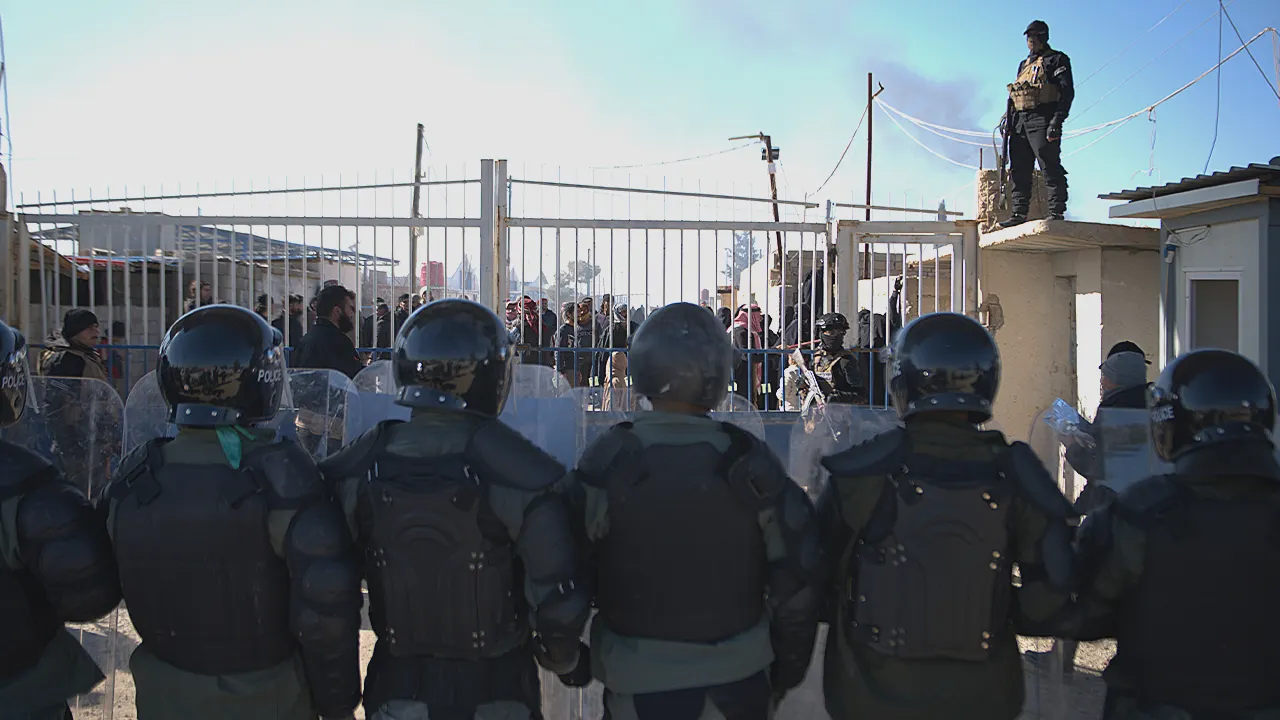
The January 19 prison break occurred during clashes between Syrian government forces and the Kurdish-led Syrian Democratic Forces in Hasakah province. While Syrian authorities claim most escapees were recaptured, an unknown number remain unaccounted for.
“The exact number unaccounted for is unclear because the chaos made tracking them all impossible,” said Nanar Hawach, a Syria analyst with the International Crisis Group. The security breakdown highlights ongoing concerns about the fragile detention system for ISIS fighters in the region.
U.S. Central Command confirmed on January 21 that it had begun transferring ISIS detainees to Iraqi-controlled facilities as an emergency measure to prevent a resurgence of the terror group. Approximately 150 fighters have already been moved, with plans to transfer as many as 7,000 detainees ultimately.
“The U.S. is facilitating transfers to Iraqi custody as an emergency measure because of the unstable security situation in northeast Syria,” Hawach explained. “Iraq’s secure prisons reduce the risk of further mass breakouts.”
An Iraqi intelligence general told The Associated Press that Iraqi authorities received an initial batch of 144 detainees, with additional transfers planned by aircraft. The urgency of these transfers underscores the precarious security situation in Syria’s detention facilities.
However, the transfers only address part of a larger problem. While male fighters are being moved to Iraqi prisons, thousands of ISIS-affiliated women and children remain in detention camps in Syria, including the notorious al-Hol camp, which has housed tens of thousands of ISIS family members since the group’s territorial defeat in 2019.
“Women and children are held in camps, not prisons, and are processed differently than male fighters,” Hawach noted. These camps remain under Damascus’ control and are described as particularly vulnerable.
The situation represents a significant humanitarian and security challenge. Most governments have been reluctant to repatriate their citizens from these facilities, leaving many in limbo for years. The camps contain a mix of hardcore ideologues and those who may have been coerced or had little choice in their affiliation with ISIS.
“Some women are ideologically committed; some are not. Distinguishing between them requires case-by-case assessments that haven’t happened at scale,” Hawach said.
Human rights organizations have raised concerns about trial procedures in Iraq, but security considerations have taken priority given the immediate risk of further prison breaks. The current transfers address the immediate crisis but fail to resolve the underlying issue of what to do with this population long-term.
U.S. Special Envoy for Syria Tom Barrack indicated a shift in American strategy, saying “the original purpose of the SDF as the primary anti-ISIS force on the ground has largely expired, as Damascus is now both willing and positioned to take over security responsibilities, including control of ISIS detention facilities and camps.”
The prison transfers come amid broader regional tensions. Earlier this year, two U.S. National Guard soldiers were killed in an ambush in Syria, prompting retaliatory strikes ordered by President Donald Trump against ISIS targets in the country.
The situation highlights the complex challenges facing the international community in managing the aftermath of ISIS’s territorial defeat. The detention system has been described as “always fragile, always underfunded, always a temporary solution waiting for permanent answers.” Without comprehensive international cooperation on repatriation and rehabilitation, the risk of further escapes and potential ISIS resurgence remains a serious concern for regional stability.
Fact Checker
Verify the accuracy of this article using The Disinformation Commission analysis and real-time sources.

8 Comments
The security breakdown is troubling, and the potential for a resurgence of ISIS is worrying. Strengthening detention facilities and improving coordination between authorities in the region should be a top priority.
This incident highlights the fragility of the security situation in northeastern Syria. Transferring ISIS detainees to Iraqi custody is a reasonable emergency measure, but a more comprehensive solution is needed to ensure long-term stability.
Concerning that some ISIS fighters remain at large. The U.S. and its allies must work quickly to recapture these dangerous individuals and prevent them from regrouping or planning new attacks. Securing the detention facilities is crucial.
This prison break highlights the ongoing challenges in the fight against ISIS. Transferring detainees to Iraqi custody is a sensible short-term solution, but a more robust and sustainable system is needed in the long run.
Concerning that ISIS fighters remain at large after the prison break. Securing these detainees is crucial to prevent a resurgence of the group. Transferring them to more secure facilities in Iraq seems like a prudent emergency measure.
The chaos during the prison break made it impossible to track all the escapees, which is very worrying. Vigilance is needed to recapture the unaccounted-for fighters and maintain stability in the region.
Agreed. The fragile detention system for ISIS fighters is a significant vulnerability that needs to be addressed. Strengthening security and coordination between authorities is essential.
Concerning news about the ISIS prison break and the potential security risks it poses. The U.S. and its allies must work diligently to recapture the remaining escapees and reinforce the detention system to prevent further incidents.