


Listen to the article
The Olympic Controversy Putting Curling in the Spotlight
The world of curling has long sought ways to elevate its profile beyond its quadrennial Olympic spotlight. After decades of marketing efforts, the solution arrived unexpectedly—a heated dispute over a finger grazing a granite stone, captured on camera and followed by an expletive-laden exchange.
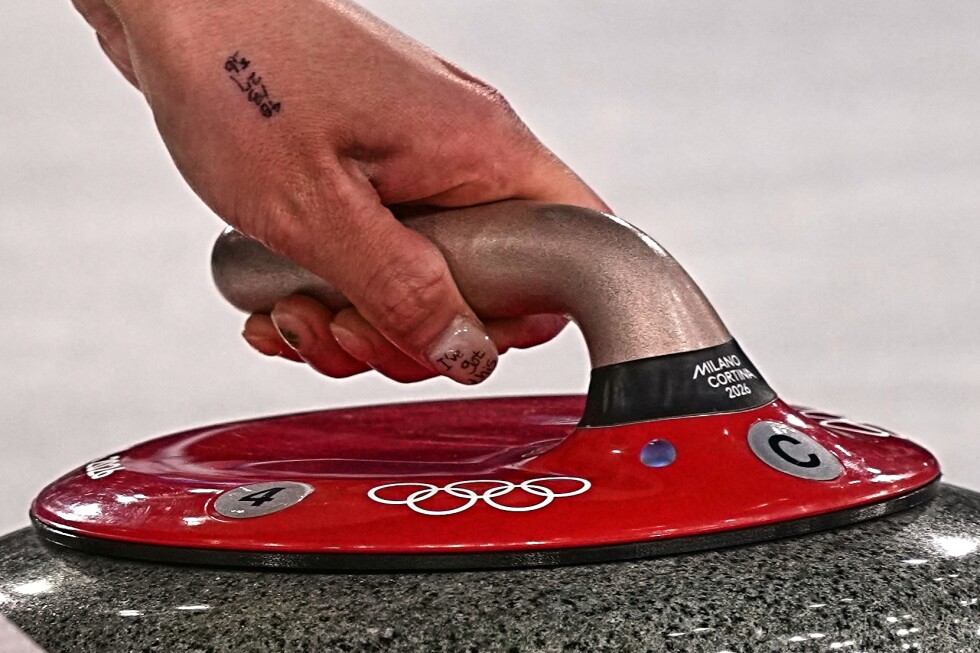
During a match on Saturday night at the Cortina Curling Center, Sweden’s Oskar Eriksson accused Canada’s Marc Kennedy of an illegal “double touch” on his stone. Their animated confrontation instantly catapulted curling to the forefront of Olympic conversation, surpassing the skiers, skaters, and snowboarders who typically dominate media coverage.
The incident’s reach became evident when Swiss curling veteran Alina Paetz noticed something unusual while scrolling through her phone—coverage of the dispute in People magazine, a publication not known for curling commentary.
“That’s pretty new,” Paetz remarked, highlighting the unprecedented mainstream attention.
For a sport dating back centuries but still working to expand its audience, the incident raises questions about growth. Does it matter that many new fans are discovering curling through controversy rather than athletic excellence?
“I think that for curling, to grow the sport, publicity is good,” said Canadian Emma Miskew, a three-time world champion. “But in this situation, it just was a little blown up. It was a little too far.”
The controversy has indeed spiraled beyond healthy competition. Nolan Thiessen, CEO of Curling Canada, revealed to The Associated Press that family members of Canadian team members have received “disgusting” emails from outraged viewers.
“That’s where it’s going to stop, right? We keep it on the ice,” Thiessen said. “If you want to hate our teams, that’s your right as a sports fan.”
Despite these concerns, Thiessen acknowledges the unprecedented visibility the controversy has created. “It’s both sides of it, right?” he explained. “You get the people reaching out that are really upset about the rules infraction. And then you get the people that are reaching out about the drama between the two teams.”
The Olympic setting provides the perfect storm for generating interest in curling. Teams compete under national flags, creating built-in allegiances. Athletes wear microphones, offering viewers intimate insights into their communication. Add the complexity of a sport whose nuances remain mysterious to casual viewers and the high stakes of Olympic medals, and you have the perfect recipe for capturing attention.
“I think that there’s value in creating people watching curling, people getting interested in curling,” said Kristian Heldin Lindstrom, manager of Sweden’s women’s Olympic team. “And if you start watching it, maybe you’re going to keep watching it because it is a very interesting sport, there is a lot of complexity to it.”
Nic Sulsky, CEO of The Curling Group, is strategically positioned to capitalize on this surge in interest. Having acquired the rights to the Grand Slam of Curling in 2024, Sulsky aims to create a sustainable professional league. The organization plans to launch the Rock League with a one-week event in Toronto this April, featuring six teams of ten curlers each (five men and five women).
Sulsky, whose background is in gambling ventures, anticipated the typical Olympic bump in curling interest but couldn’t have predicted the viral controversy that has unfolded. “Would we have all preferred if the world fell in love with curling because of an incredible curling shot? Sure,” Sulsky told The AP. “But what do fans love more than anything else? They love personality, they love stars.”
The authenticity of the exchange between Eriksson and Kennedy showcased the raw competitive nature that exists in curling but rarely receives mainstream attention. “All this has done is just shine a light on how competitive, how emotional and how interesting these athletes are,” Sulsky added.
The disputed “double touch” rule—which prohibits curlers from touching the stone with their fingers after release—has always been challenging to enforce. With no official video replay available, enforcement typically relies on an honor system between competitors and officials, occasionally leading to heated disagreements like Saturday’s incident.
The controversy has sparked discussions about curling’s future presentation. When asked if the sport might adopt elements of professional wrestling, with microphones and storylines to maintain public interest, Paetz laughed. “I don’t know,” she said. “Who knows how it looks in five years? I think maybe it just stays the way it is right now.”
For a sport that combines elements of shuffleboard, chess, and precise physical technique, the current moment of heightened visibility—however it arrived—may prove valuable in building a more sustainable audience beyond the Olympic cycle. The question remains whether curling can convert this surge of attention into lasting interest in the sport’s strategic depth and skillful execution rather than just its dramatic moments.
Fact Checker
Verify the accuracy of this article using The Disinformation Commission analysis and real-time sources.

9 Comments
It’s interesting to see curling getting some mainstream coverage, even if it’s for a bit of drama on the ice. Brings more attention to a sport that often flies under the radar.
Definitely a double-edged sword. The exposure could bring more fans, but will they stick around beyond the Olympics? Curling has a lot of nuance that takes time to appreciate.
Curling deserves more recognition as a highly skilled and strategic sport. This incident may help raise its profile, though I hope the focus stays on the gameplay and sportsmanship.
You make a good point. Curling requires incredible precision and teamwork. Hopefully this publicity can showcase those aspects, not just the heated moments.
Wow, curling making it into People magazine – that’s quite a feat! While the controversy provides some buzz, I hope it inspires more people to actually learn about the intricacies of the game.
As a curling fan, I’m torn on this. The attention is nice, but I don’t want the sport to be reduced to just sensational drama. There’s so much more depth and skill to appreciate.
I hear you. Curling deserves to be celebrated for the chess-like tactics and athleticism, not just the occasional flare-ups. Hopefully this leads to more people giving the sport a real chance.
Haha, curling finally getting its moment in the spotlight! Gotta love the drama. Maybe this will help draw more viewers to the sport beyond just the Olympic cycle.
I agree, a bit of controversy can be good for generating interest. Curling may not be the most flashy sport, but the competitive spirit is undeniable.