


Listen to the article
Iran’s UN Ambassador Denounces Trump’s Threats Over Strait of Hormuz Crisis
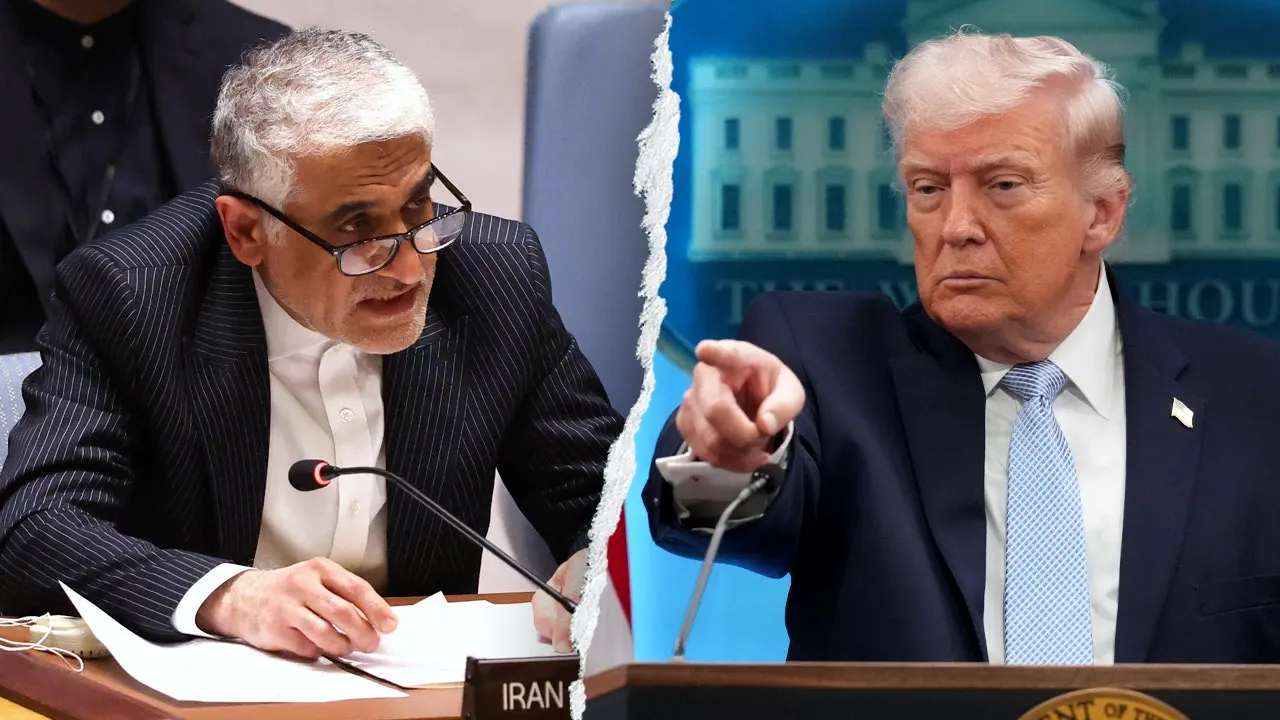
Iran’s ambassador to the United Nations issued a sharp rebuke to President Donald Trump on Tuesday, hours before the expiration of Trump’s deadline demanding Iran reopen the strategic Strait of Hormuz or face military strikes against critical infrastructure.
Ambassador Amir-Saeid Iravani, speaking at UN headquarters in New York, called Trump’s recent social media posts “deeply irresponsible” and “profoundly alarming,” specifically referencing the president’s statement that “a whole civilization will die tonight, never to be brought back again.”
“It is regrettable and alarming that while in full view of the international community, the President of the United States shamelessly and brazenly issues threats to destroy all civilian infrastructure in Iran,” Iravani said, noting that Trump had specifically mentioned targeting bridges, power plants, and energy facilities.
The standoff centers on the Strait of Hormuz, one of the world’s most critical maritime chokepoints. Connecting the Persian Gulf to the Gulf of Oman, this narrow waterway serves as the transit route for approximately 20% of global oil shipments. Any disruption to this passage has immediate ramifications for energy markets and global economic stability.
Trump set an 8 p.m. ET deadline for Iran to reopen the strait, threatening military action if the regime fails to comply. The escalation comes amid already heightened tensions between Washington and Tehran that have been building throughout Trump’s presidency, particularly since his administration withdrew from the Iran nuclear deal in 2018.
The White House defended the president’s position when contacted for comment. “The Iranian regime has committed egregious human rights abuses against its own citizens for 47 years, just murdered tens of thousands of protestors in January, and has indiscriminately targeted civilians across the region in order to cause as much death as possible throughout this conflict,” said White House deputy press secretary Anna Kelly.
Kelly added that “greater destruction can be avoided if the regime understands the seriousness of this moment and makes a deal with the United States,” suggesting diplomatic channels remain open despite the confrontational rhetoric.
The crisis has already drawn international attention at the United Nations, where Russia and China earlier vetoed a Security Council resolution aimed at reopening the strait. This diplomatic impasse further complicates efforts to resolve the situation through multilateral channels.
In his social media statements, Trump also referenced the possibility of regime change in Iran, writing that “maybe something revolutionarily wonderful can happen” with “different, smarter, and less radicalized minds” in power. He characterized the deadline as “one of the most important moments in the long and complex history of the World.”
Energy markets have reacted with volatility to the standoff, with oil prices spiking on concerns about potential supply disruptions. Maritime shipping companies have already begun rerouting vessels away from the region, adding costs and delays to global supply chains.
Regional allies and adversaries are closely monitoring the situation. Israel, which has its own complex relationship with Iran, has remained officially silent on the matter but is believed to be coordinating closely with Washington. Meanwhile, Gulf states with significant economic interests in stable shipping through the strait have called for de-escalation.
The confrontation represents one of the most direct military threats between the United States and Iran in recent years, with potential consequences extending far beyond the immediate region should military action commence. Analysts warn that even limited strikes could trigger a broader conflict with unpredictable outcomes.
As the deadline approaches, diplomatic efforts continue behind the scenes, though with diminishing hopes for a last-minute resolution that would prevent military action and potentially open a new chapter in the volatile relationship between the two nations.
Fact Checker
Verify the accuracy of this article using The Disinformation Commission analysis and real-time sources.

14 Comments
Iran’s ambassador raises valid concerns about the Trump administration’s reckless rhetoric. Threatening to destroy civilian infrastructure is an unacceptable escalation that could have catastrophic humanitarian and economic consequences, especially for the global energy sector.
I agree completely. Threats of that nature from the US President are deeply troubling and risk spiraling the situation out of control. Cooler heads must prevail to prevent an unnecessary and destructive conflict.
The Strait of Hormuz is a critical global chokepoint for oil shipments. Disruptions here would have major impacts on energy markets and the broader economy. All sides need to exercise maximum restraint to avoid miscalculation and unintended consequences.
Absolutely. The potential for a conflict that could disrupt oil flows through the Strait is a serious concern. Diplomacy and de-escalation should be the priority to maintain stability in the region.
President Trump’s threats to destroy Iranian infrastructure are highly concerning and could inflame an already tense situation. As a major oil producing region, any disruption in the Strait of Hormuz would have global economic ramifications. I hope cooler heads can prevail.
I share your worries. Reckless threats of this nature from world leaders are deeply troubling and risk spiraling out of control. Dialogue and diplomacy are essential to find a peaceful resolution.
The Strait of Hormuz is a strategic chokepoint for global energy markets. Any disruption here would have significant economic consequences, especially for major oil importers. All parties need to exercise restraint and focus on de-escalation to avoid an unnecessary conflict.
Well said. With so much at stake, it’s crucial that diplomacy and reason prevail over inflammatory rhetoric. Keeping communication channels open and pursuing a diplomatic solution should be the top priority.
Iran’s ambassador raises valid concerns about the irresponsible and provocative statements coming from the Trump administration. Threatening to destroy civilian infrastructure is an unacceptable escalation that could have devastating humanitarian consequences.
I share your concerns. Rhetoric like this from world leaders is deeply worrying and could easily spiral out of control. Cooler heads must prevail to prevent an unnecessary conflict.
The standoff over the Strait of Hormuz is a complex geopolitical issue with high stakes for global energy markets. While the rhetoric is concerning, I hope diplomacy and restraint can prevail to prevent an escalation that would harm innocent civilians.
Agreed. All parties involved need to act with prudence and avoid further inflaming tensions. Open communication channels and de-escalation should be the priority.
The Strait of Hormuz is a critical maritime chokepoint, and any disruption to oil flows through this region would have major global economic impacts. Both the US and Iran need to exercise maximum restraint to avoid miscalculation and de-escalate the current tensions.
Absolutely. With so much at stake, diplomacy and open communication should be the priority for all parties involved. Resorting to inflammatory rhetoric and threats will only increase the risks of an unintended conflict.