


Listen to the article
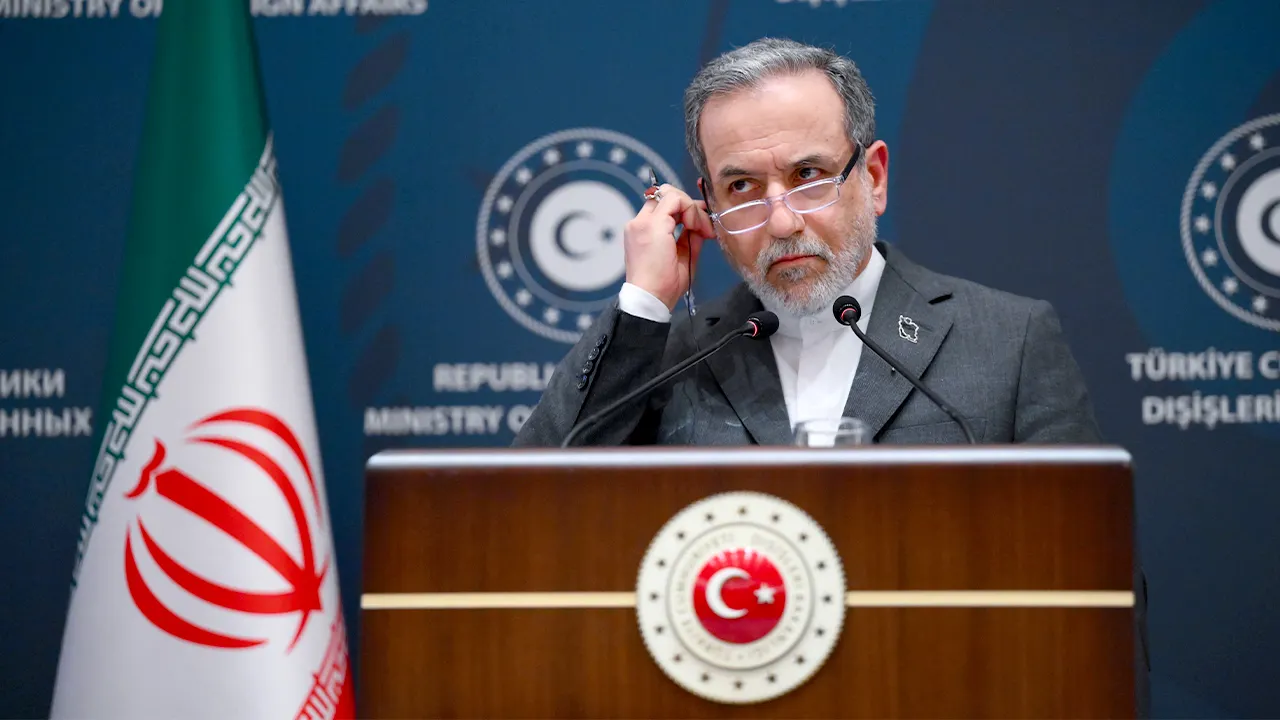
Iran’s top diplomat has signaled that the country is pursuing a dual approach of diplomacy while maintaining readiness to defend itself, during a key speech following the first face-to-face nuclear discussions with U.S. officials since American strikes on Iranian nuclear facilities last June.
“We are a man of diplomacy, we are also a man of war; not in the sense that we seek war, but we are ready to fight so that no one dares to fight us,” Foreign Minister Abbas Araghchi said Sunday at the National Congress on the Islamic Republic’s Foreign Policy in Tehran. His remarks, reported by Iran’s state-run English-language broadcaster Press TV, emphasize Tehran’s stance that its strength comes from resisting international pressure.
The comments came just two days after Iranian and American officials held what Iran’s Foreign Ministry described as “intensive and lengthy” nuclear talks in Muscat, Oman. These discussions marked a significant diplomatic development in the relationship between the two adversaries, providing both sides an opportunity to present their positions and concerns.
“It was a good start, but its continuation depends on consultations in our respective capitals and deciding on how to proceed,” Iran’s Foreign Ministry stated in a social media post. While both parties reportedly agreed to continue negotiations, decisions regarding timing, format, and the next round will be determined following internal discussions, with Oman maintaining its role as intermediary.
The Muscat talks represent the first direct negotiations since the U.S. conducted strikes on Iran’s nuclear installations in June, highlighting a potential shift toward diplomatic engagement despite ongoing tensions. Regional security experts note that such direct communication channels are crucial to preventing miscalculations that could escalate into broader conflict.
Araghchi emphasized that Iran views its nuclear program as a legitimate right and seeks international recognition of this position through negotiations. “I believe the secret of the Islamic Republic of Iran’s power lies in its ability to stand against bullying, domination and pressures from others,” he said according to Press TV.
The foreign minister also addressed international concerns about Iran’s nuclear ambitions, stating: “They fear our atomic bomb, while we are not pursuing an atomic bomb. Our atomic bomb is the power to say no to the great powers. The secret of the Islamic Republic’s power is to say no to the powers.”
Iran’s nuclear program has been a consistent source of international tension, with Western nations concerned about potential weapons development while Tehran insists its program is solely for peaceful purposes. The 2015 nuclear deal, formally known as the Joint Comprehensive Plan of Action (JCPOA), imposed restrictions on Iran’s nuclear activities in exchange for sanctions relief, but the agreement has been in jeopardy since the U.S. withdrew from it in 2018.
Meanwhile, the United States has significantly expanded its military presence in the Middle East. President Donald Trump has deployed the USS Abraham Lincoln carrier strike group and several guided-missile destroyers to the region. U.S. naval assets are strategically positioned across waterways surrounding Iran, including the eastern Mediterranean, Red Sea, Persian Gulf, Gulf of Oman, and Arabian Sea.
This military buildup comes amid heightened regional tensions, including recent incidents involving Iranian drones approaching U.S. vessels. The military positioning serves as both a deterrent and a demonstration of American commitment to regional security, according to defense analysts familiar with the situation.
Energy markets have responded cautiously to these developments, with oil prices showing sensitivity to diplomatic progress or breakdown between the two nations. Any significant escalation could potentially disrupt shipping through the Strait of Hormuz, through which approximately 20% of the world’s oil supply passes.
The resumption of direct talks, however limited, suggests both countries may be seeking to establish guardrails to prevent unintended military escalation while maintaining their respective strategic positions. Regional observers note that Oman’s continued role as mediator reflects the sultanate’s long-standing diplomatic approach to bridging U.S.-Iran divides.
Fact Checker
Verify the accuracy of this article using The Disinformation Commission analysis and real-time sources.

22 Comments
Iran’s dual approach of diplomacy and military readiness is an intriguing strategic move, though it carries substantial risks if not executed with great care.
This combative rhetoric from Iran may be intended to rally domestic support, but it could also further alienate the international community and undermine diplomatic progress.
Iran’s dual focus on diplomacy and military preparedness is an intriguing strategic move, though it carries substantial risks if not executed with great care and nuance.
This hardline stance from Iran could make future negotiations even more challenging. Careful diplomacy and a willingness to compromise will be essential going forward.
Iran’s emphasis on military readiness alongside diplomacy reflects its complex strategic calculus. Whether this approach succeeds in the long run remains to be seen.
Iran appears to be signaling that it will not be cowed by international pressure, but this brinkmanship carries significant risks if not carefully managed.
Iran’s ‘diplomacy and war’ stance reflects its complex position as it navigates global pressures. The outcome will depend on how effectively it can leverage both hard and soft power.
Iran is walking a fine line, trying to appear strong while also leaving room for diplomacy. This delicate balance could prove challenging to maintain.
Maintaining a credible military deterrent while pursuing diplomacy is a tricky balance. Iran seems intent on demonstrating its resolve, though further escalation could backfire.
It’s an interesting strategic play by Iran, projecting strength while leaving the door open for negotiations. Time will tell if this approach pays off.
Iran’s emphasis on its military capabilities alongside diplomatic overtures suggests it is trying to project an image of strength, though this delicate balancing act may prove difficult to maintain.
While Iran’s tough talk may resonate with some domestic audiences, it could also further alienate the international community and undermine diplomatic progress. A more flexible approach may be needed.
Iran’s combative posturing may resonate with some domestic audiences, but it also raises risks of further escalation. Striking the right diplomatic tone will be crucial going forward.
This rhetoric suggests Iran is doubling down on its defiant approach, which could make future negotiations more difficult. Flexibility and compromise will be key on all sides.
Iran’s defiant stance is a bold move, though it remains to be seen if diplomacy or confrontation will ultimately prevail. Careful balancing of the two approaches will be key.
This rhetoric suggests Iran is digging in and unwilling to compromise, which could further escalate tensions in the region.
Iran’s emphasis on its military capabilities alongside diplomatic overtures suggests it is trying to project an image of strength, though this delicate balancing act may prove difficult.
While Iran’s tough talk may resonate with some audiences, it could also make future negotiations more challenging. Careful diplomacy will be key to de-escalating tensions.
Iran’s tough talk about being ‘ready to fight’ suggests it is trying to project an image of strength, but this could backfire if it undermines diplomatic efforts.
This hardline stance from Iran may play well domestically, but it could make future negotiations even more challenging. Striking the right balance will be crucial.
Iran’s willingness to pursue both diplomacy and military readiness reflects the complexity of its strategic position. The ultimate success of this approach remains to be seen.
Iran’s combative rhetoric may be intended to bolster its domestic standing, but it also raises the risks of further escalation. Striking the right balance will be crucial.