


Listen to the article
Iran’s Ambassador Alleges U.S. and Israeli Airstrikes Targeted Natanz Nuclear Facility, IAEA Chief Disagrees
Iran’s Ambassador to the International Atomic Energy Agency (IAEA) claimed Monday that recent airstrikes by the United States and Israel targeted the Natanz uranium enrichment facility in Iran, directly contradicting assessments from the UN nuclear watchdog’s leadership.
Speaking to reporters at IAEA headquarters in Vienna during a special session of the Board of Governors requested by Russia, Ambassador Reza Najafi stated, “Again they attacked Iran’s peaceful safeguarded nuclear facilities yesterday. Their justification that Iran wants to develop nuclear weapons is simply a big lie.” When pressed specifically about which nuclear facility was allegedly struck, Najafi explicitly identified Natanz.
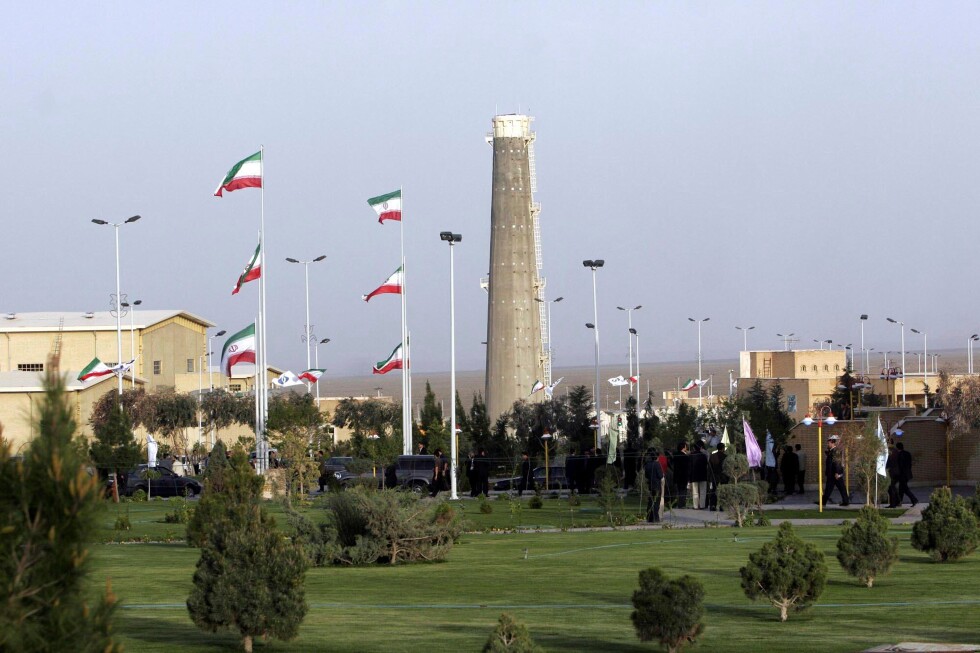
The Natanz complex, located approximately 220 kilometers south of Tehran, has long been a critical component of Iran’s nuclear program. The facility consists of both above-ground laboratories and underground enrichment halls where, according to IAEA reports, Iran had been using advanced centrifuges to enrich uranium to 60% purity—just short of the 90% enrichment level considered weapons-grade.
However, IAEA Director General Rafael Grossi offered a contradictory assessment during the same special session. “Up to now, the International Atomic Energy Agency has no indication that any of the nuclear installations, including the Bushehr Nuclear Power Plant, the Tehran Research Reactor, or other nuclear fuel cycle facilities in Iran have been damaged or hit,” Grossi told the 35-member Board of Governors.
The dispute over whether nuclear facilities were targeted comes amid a complex history of attacks on the Natanz site. Last June, Israel reportedly struck the main above-ground enrichment building—known as the Pilot Fuel Enrichment Plant—leaving it “functionally destroyed” according to Grossi’s assessment at the time. That attack also reportedly caused serious damage to underground halls containing centrifuge cascades. A subsequent U.S. attack on June 22 allegedly targeted Natanz’s underground facilities with bunker-busting bombs, potentially destroying what remained of the complex.
Grossi noted that the IAEA has attempted to contact Iranian nuclear regulatory authorities through the agency’s Incident and Emergency Center but has received no response, likely due to communication disruptions caused by the ongoing conflict. He emphasized that radiation monitoring in countries bordering Iran has detected “no elevation of radiation levels above the usual background levels.”
The IAEA chief urged military restraint, pointing out the heightened nuclear safety risks in the region. “Iran and many other countries in the region that have been targeted militarily have operational nuclear power plants and nuclear research reactors, as well as associated fuel storage sites, increasing the threat to nuclear safety,” Grossi warned.
Ambassador Najafi used the opportunity to criticize former U.S. President Donald Trump, claiming the U.S. employs “deception and disinformation to invade other countries.” He described the strikes against Iran as “unlawful, criminal and brutal” and called on the IAEA Board members to “categorically condemn” these actions.
The conflicting claims highlight the increasing tensions surrounding Iran’s nuclear program and the broader regional conflict. The Natanz facility has been a focal point of international concern for years, given its role in Iran’s uranium enrichment activities. Prior to recent military actions, the site was already subject to IAEA safeguards and monitoring under international agreements.
The special session of the IAEA Board of Governors continues as member states evaluate these competing claims and consider their implications for regional security and nuclear non-proliferation efforts.
Fact Checker
Verify the accuracy of this article using The Disinformation Commission analysis and real-time sources.

13 Comments
The conflicting accounts highlight the need for a thorough, impartial investigation to determine the facts. Maintaining open channels of communication and a commitment to diplomacy will be crucial in navigating this delicate situation.
Well said. The stakes are high, and emotions are running high, but cooler heads must prevail. Constructive dialogue and a focus on de-escalation should be the top priorities.
This is a concerning development if true. The Natanz facility is crucial to Iran’s nuclear program, and any targeting of it would be a major escalation. I’m curious to hear more details from the IAEA and other international bodies to get a clearer picture of what actually happened.
Conflicting accounts from Iranian and IAEA officials underscore the complexity of this situation. It’s crucial that any actions taken are in full compliance with international law and norms. De-escalation through diplomatic channels should be the top priority.
Agreed. Maintaining open communication and finding a peaceful resolution is essential to prevent this dispute from spiraling into a dangerous military confrontation.
Iran’s ambassador makes a bold claim, but the IAEA chief’s disagreement raises questions. This incident highlights the delicate balance and high stakes involved in the Iran nuclear issue. Transparent investigations and diplomatic solutions should be the priority to avoid further escalation.
The targeting of Iran’s nuclear facilities, if confirmed, would be a major provocation that could jeopardize the progress made in the ongoing talks. It’s critical that the international community works to de-escalate tensions and find a negotiated path forward.
Absolutely. Unilateral military actions would only serve to undermine the diplomatic process and make a peaceful resolution more elusive. All sides must act responsibly to prevent this situation from spiraling out of control.
This is a concerning development that could have serious implications for regional stability and the Iran nuclear deal. It’s imperative that all parties involved exercise maximum restraint and prioritize diplomatic solutions to address the underlying issues.
The Natanz facility is a critical piece of Iran’s nuclear infrastructure. Any confirmed strikes there would be a significant development, with implications for regional security and the ongoing negotiations. I’ll be following this story closely to see how it unfolds.
Allegations of US-Israeli airstrikes on Iranian nuclear facilities are serious and politically charged. It’s important to get verified facts from credible sources before drawing conclusions. Continued diplomatic efforts to address concerns around Iran’s nuclear activities could be the best path forward.
I agree, staying objective and waiting for more information is prudent. Ratcheting up tensions through military action rarely leads to positive outcomes in these complex geopolitical situations.
This latest development adds further uncertainty to the fragile Iran nuclear deal negotiations. All parties involved must exercise restraint and remain committed to a diplomatic solution that addresses the concerns of both sides.