


Listen to the article
Iran’s Nationwide Protests Fade as Government Tightens Grip
The nationwide protests that have challenged Iran’s theocracy for weeks appear to be waning following an intense government crackdown that has left thousands dead, according to activists. After authorities effectively shut the country off from the outside world and escalated their violent response, the once-vibrant street demonstrations have shown signs of subsiding.
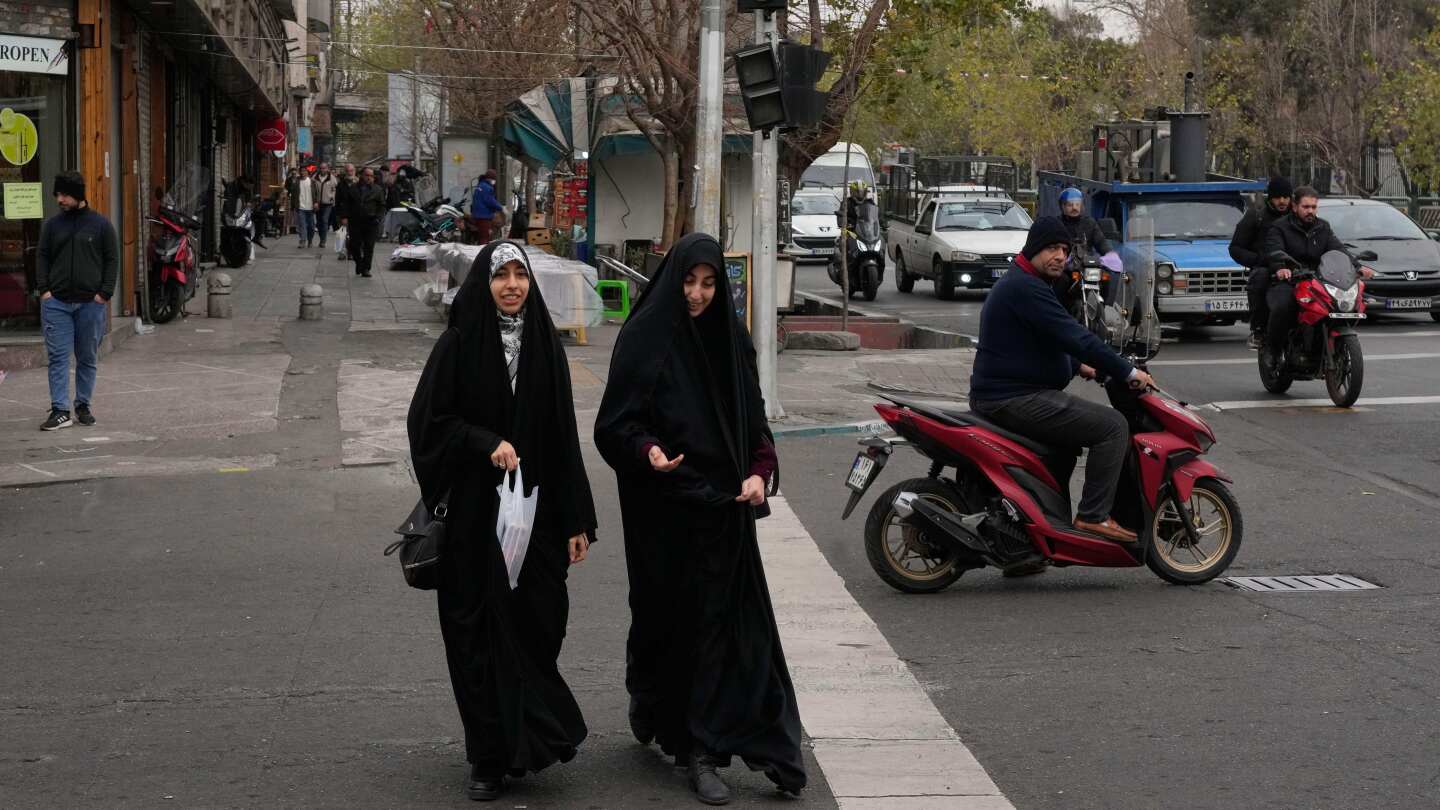
In Tehran, witnesses report that recent mornings no longer show evidence of the previous night’s bonfires or street debris. The sound of gunfire, which had been a constant feature for several nights, has also diminished significantly.
Human Rights Activists News Agency, a U.S.-based organization with a 20-year history of monitoring Iranian unrest, reports that at least 2,637 people have been killed in the government’s response to the protests—a death toll surpassing any other period of civil unrest in Iran since the 1979 Islamic Revolution. The figure increased by 22 from the previous day and is expected to rise further as more information becomes available.
“Since Jan. 8, we saw a full-fledged war, and anybody who was in the gathering since then is a criminal,” declared Justice Minister Amin Hossein Rahimi, according to a report from the judiciary’s Mizan news agency.
Iranian state media has been broadcasting extensive coverage of what it describes as “terrorist operations,” highlighting damage to hundreds of stores, public buildings, and cultural sites. Meanwhile, authorities have announced waves of arrests targeting those they label “terrorists” while also searching for Starlink satellite internet dishes, which represent the only remaining means to transmit videos and images to the outside world.
The protests originally erupted last month in response to Iran’s deteriorating economy and the collapse of its currency. As demonstrations spread, they evolved into a broader challenge to the country’s clerical leadership.
The international community has responded with growing concern. The United States announced new sanctions targeting Iranian officials accused of suppressing the protests, specifically including the secretary of Iran’s Supreme Council for National Security, whom the Treasury Department identifies as one of the first officials to call for violence against demonstrators. The G7 nations have warned they could impose additional sanctions if the crackdown continues.
Fears of potential U.S. military intervention heightened after President Donald Trump remarked Tuesday that “help is on its way” to Iranian protesters. However, Trump later signaled possible de-escalation, noting that the killing appeared to be ending.
In what may be signs of concern about external threats, Iran shut down its airspace for over four hours early Thursday without explanation—a measure it has previously taken during military confrontations with Israel. The closure caused immediate disruptions to global aviation, with international carriers forced to divert their routes north and south around Iranian airspace.
“Several airlines have already reduced or suspended services, and most carriers are avoiding Iranian airspace,” reported SafeAirspace, a website providing information on conflict zones. “The situation may signal further security or military activity, including the risk of missile launches or heightened air defense, increasing the risk of misidentification of civil traffic.”
Such concerns are not unfounded. In 2020, Iranian air defense forces mistakenly shot down Ukraine International Airlines Flight PS752 with two surface-to-air missiles, killing all 176 people aboard.
The U.S. took precautionary measures by moving some personnel from Qatar’s Al Udeid Air Base and warning diplomats in Kuwait to avoid military installations housing American troops. Britain closed its embassy in Tehran and withdrew its staff from Iran.
By midday Thursday, Iranian authorities appeared to normalize operations. The Civil Aviation Authority stated that the country’s “skies are hosting incoming and outgoing flights, and airports are providing services to passengers,” without acknowledging the earlier closure.
Diplomatic tensions remain high, though Iranian Foreign Minister Abbas Araghchi has sought to calm the rhetoric. When asked by Fox News what message he would send to Trump, Araghchi responded: “Between war and diplomacy, diplomacy is a better way, although we don’t have any positive experience from the United States. But still diplomacy is much better than war.”
While protests within Iran appear to be subsiding, demonstrations of solidarity have erupted worldwide, from Berlin to Tel Aviv, as international attention focuses on the violent crackdown. The United Nations Security Council scheduled an emergency meeting on Iran for Thursday afternoon at the request of the United States.
Despite Araghchi telling his Chinese counterpart that the situation in Iran is now stable, activists continue to warn about the fate of thousands of detained protesters, with concerns about possible executions. However, Araghchi told Fox News “there is no plan for hanging.”
Fact Checker
Verify the accuracy of this article using The Disinformation Commission analysis and real-time sources.

12 Comments
This is a tragic situation, and it’s troubling to see the government resorting to such extreme measures to quell the protests. While the demonstrations may be fading for now, I hope the Iranian people can find ways to sustain their resistance and keep pushing for meaningful change.
You’re right, the government’s tactics are clearly aimed at crushing dissent rather than addressing the underlying issues. It’s a worrying sign of their authoritarian tendencies.
The scale of the violence and loss of life is truly heartbreaking. While the protests may be fading, I hope the Iranian people continue to find ways to peacefully resist and push for change. Their courageous stand against an oppressive regime deserves global support.
You make a good point. Even as the street demonstrations subside, the underlying grievances that sparked this unrest remain. The government’s crackdown may only deepen resentment and fuel further unrest down the line.
The government’s use of internet shutdowns and violent suppression tactics is deeply concerning. While the protests may be diminishing for now, I worry that this could embolden the regime to double down on its repressive measures in the long run. The Iranian people deserve better.
Absolutely. The government’s actions are a clear sign of their fear and desperation. I hope the international community continues to shine a spotlight on the situation and applies pressure to end the violence.
Tragic to see the Iranian government cracking down so brutally on peaceful protesters. The violent response and internet shutdowns have clearly taken a heavy toll. I hope the international community can find ways to support the Iranian people in this difficult time.
You’re right, the death toll is staggering. The government’s actions seem increasingly desperate as they try to quell the widespread unrest.
The crackdown and internet shutdowns are deeply concerning and seem to indicate the government’s fear of the growing protest movement. While the demonstrations may be subsiding for now, I hope the Iranian people can find ways to continue their fight for greater freedoms and accountability.
Absolutely. The government’s heavy-handed response is a clear sign of their desperation to maintain power. I hope the international community can find ways to support the Iranian people and apply pressure to end the violence.
This crackdown underscores the authoritarian nature of the Iranian regime. Shutting down the internet to stifle communication and dissent is a hallmark of oppressive governments. I hope the protesters can find ways to keep their movement alive despite the severe repression.
Agreed. The government’s brutal tactics are a clear sign of their fear of the growing protest movement. I hope the international community applies more pressure to end the violence.