


Listen to the article
Radical Cleric Arafi Named to Iran’s Interim Leadership Council
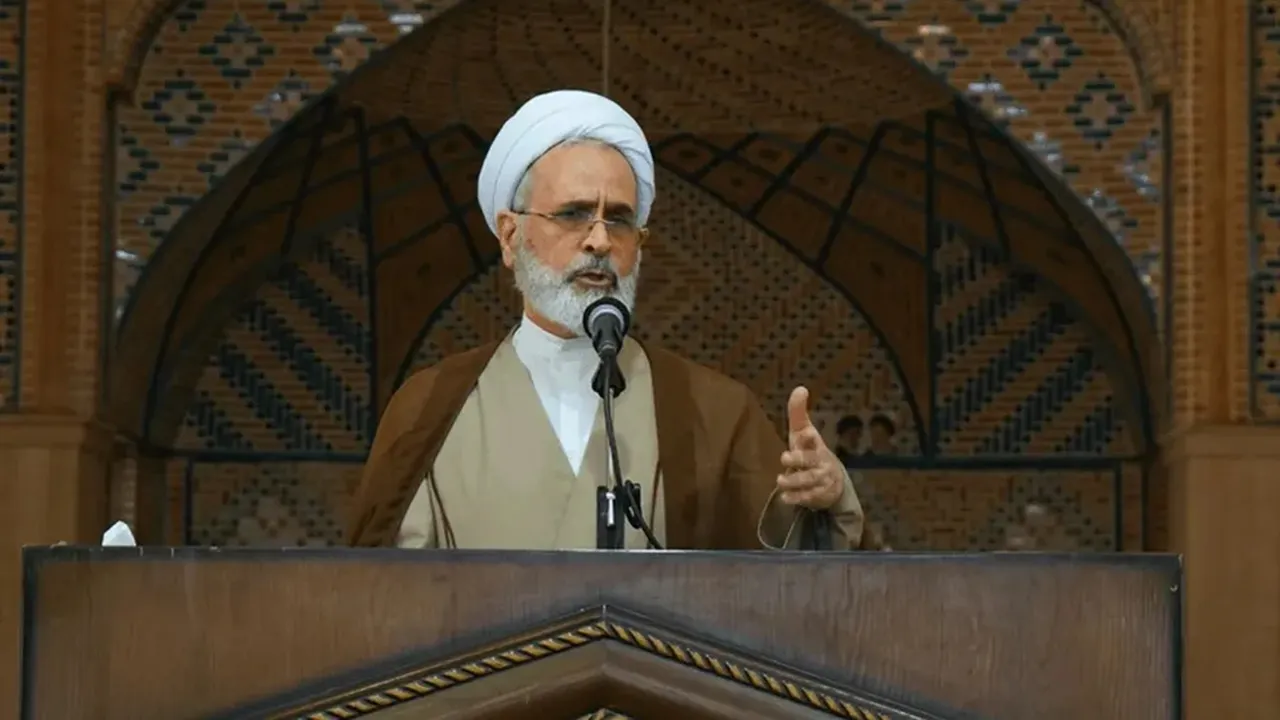
Following the death of Iran’s Supreme Leader Ayatollah Ali Khamenei, the Islamic Republic has appointed hardline cleric Ayatollah Alireza Arafi to its interim leadership council, signaling a potential continuation of the regime’s anti-Western stance.
Arafi, who has spent decades steeped in the revolutionary ideology of the Islamic Republic, represents the conservative wing of Iran’s clerical establishment. His appointment could indicate he’s being positioned as a potential successor to Khamenei.
“His name was brought up in the last two or three years. He is not a kind of politician but is part of exporting the revolution from the propaganda side,” said Ben Sabti, an Iran expert at the Institute of National Security Studies in Israel. The export of Iran’s Shiite revolutionary ideology has been a foundational pillar of the regime since its inception in 1979.
Jason Brodsky, policy director of United Against Nuclear Iran (UANI), told Fox News Digital that Arafi “has been marinating in Khomeinist ideology his entire career.” This worldview, established by the Islamic Republic’s founder Ayatollah Ruhollah Khomeini, is characterized by its “Death to America” rhetoric and deeply anti-Western position.
Arafi’s past statements reflect this ideology. According to UANI reports, he once declared that “America will take its wish for Iran to abandon production of military hardware to the grave.” In a 2019 Friday prayer sermon, he proclaimed, “We will stay with our imam and leader to the end, when we humiliate [global] arrogance… until Israel is erased.”
The appointment comes at a critical time of instability for Iran, with Rep. Brian Mast (R-Fla.), chairman of the House Foreign Affairs Committee, describing Arafi as “a very hard-line cleric” in an interview on Sunday.
Arafi’s rise through Iran’s clerical establishment has been methodical. He has served as the head of Iran’s seminary system, led Al-Mustafa University, and held positions on both the Guardian Council and Assembly of Experts. He has also been the Friday prayer leader in Qom, the spiritual center of Iran’s clergy. This combination of religious, educational, and governmental experience positions him as a credible candidate to potentially replace Khamenei in a permanent capacity.
His tenure at Al-Mustafa University is particularly significant. Brodsky notes that Arafi “helped make Al-Mustafa University into a training ground and recruiting center for the IRGC [Islamic Revolutionary Guard Corps].” The university was later sanctioned by the United States under counterterrorism authorities.
During periods of domestic unrest, Arafi has shown little tolerance for dissent. When protesters began the symbolic act of knocking off clerics’ turbans during recent demonstrations, Arafi warned ominously that “those who attack the turbans of the clergy should know that the turban will become their shroud.”
Despite his hardline credentials, analysts note that Arafi does have limitations as a potential supreme leader candidate. “A weakness in his candidacy to replace Khamenei is that he has never been a core member of the military-security establishment in Iran and has never led a branch of the Islamic Republic’s government apparatus,” Brodsky explained. “He is also not a Sayyid [a sign of high respect for people of lineage from the Islamic prophet Muhammad in the Shiite tradition].”
Iran Wire, an independent Iranian diaspora news outlet, described Arafi as “a staunch loyalist to the core ideology of the Islamic Republic,” noting his selection was significant as the third member of the Temporary Leadership Council must be a theologian chosen by the Expediency Discernment Council.
The transition comes amid significant internal fractures within the Iranian regime. Mardo Soghom, a veteran journalist and Iran expert, told Fox News Digital, “There is no unified government with sufficient control over the country. The foreign minister admits the IRGC is on its own. Arafi would never have the authority or the control Khamenei had. It is a compromise candidate whom the IRGC can control and is not a threat to two factions.”
As Iran navigates this period of transition, the appointment of Arafi to the interim leadership council suggests the regime is attempting to maintain ideological continuity even as it grapples with profound challenges both domestically and internationally.
Fact Checker
Verify the accuracy of this article using The Disinformation Commission analysis and real-time sources.

10 Comments
The news of Arafi’s appointment to Iran’s interim leadership council is concerning. As a hardline cleric steeped in revolutionary ideology, his potential ascension to the top position could spell further isolation and confrontation for Iran on the global stage. This bears close watching in the months ahead.
You’re absolutely right. Arafi’s background and views suggest he would likely continue the regime’s current antagonistic approach toward the West and its neighbors. This could have serious geopolitical consequences that warrant close attention.
This news highlights the precarious political situation in Iran following Khamenei’s passing. The regime seems intent on maintaining its revolutionary ideology and confrontational approach to the West. It will be crucial to monitor how Arafi’s potential leadership could impact Iran’s relations with global powers.
Agreed, the transition of power in Iran bears close watching. Arafi’s background and ideology suggest a continuation of Iran’s current geopolitical posture, which could have ripple effects across the region.
It’s interesting to see a figure like Arafi emerge as a potential successor to Khamenei in Iran. His hardline, anti-American views and deep roots in the revolutionary ideology of the Islamic Republic indicate the regime may be positioning itself to maintain a confrontational foreign policy under new leadership.
Arafi’s rise underscores the conservative, anti-Western faction’s influence within Iran’s clerical establishment. His appointment as a potential successor to Khamenei may signal an intent to double down on the regime’s revolutionary principles and confrontational foreign policy. This could have significant implications for regional stability.
The news of Arafi’s appointment to Iran’s interim leadership council is concerning. As a staunch proponent of the Islamic Republic’s revolutionary ideology, his potential ascension to the top position could signal a continuation of the regime’s antagonistic policies toward the West and its neighbors. This transition bears close monitoring.
I agree, Arafi’s background and views suggest he would likely double down on Iran’s confrontational approach if he becomes the next supreme leader. This could have significant geopolitical consequences that will need to be carefully assessed.
Interesting to see a hardline cleric like Arafi emerge as a potential successor to Khamenei in Iran. His appointment signals the regime may continue its anti-Western stance and export of Shiite revolutionary ideology. The next leader will face significant economic and political challenges.
You’re right, Arafi’s appointment is concerning. His hardline views could lead to further escalation in Iran’s foreign policy and suppression of domestic dissent.