


Listen to the article
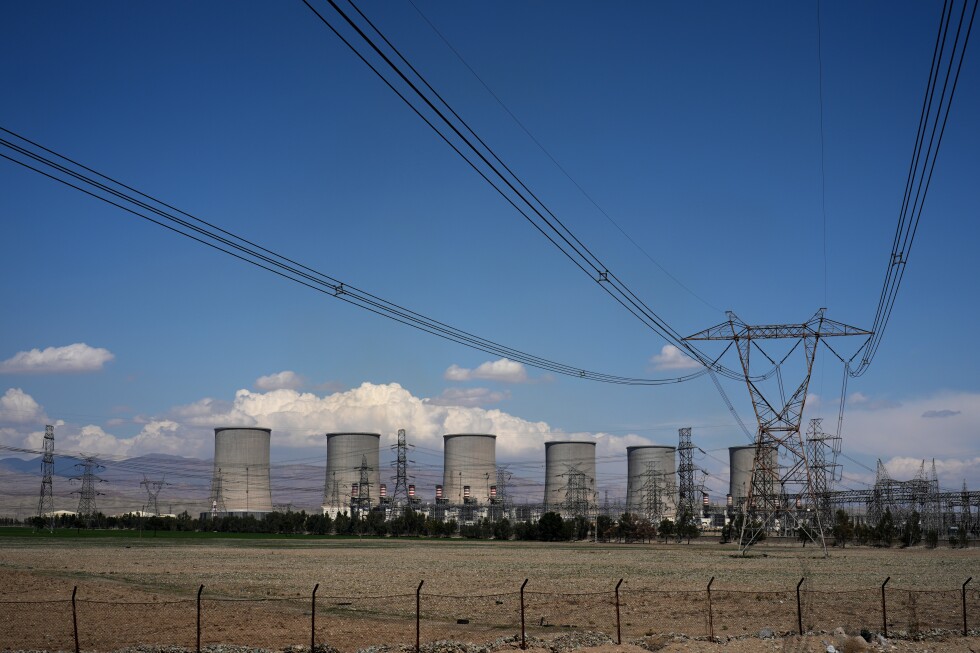
As tensions escalate between the United States and Iran, Tehran residents are preparing for potential attacks on critical infrastructure following President Donald Trump’s ultimatum to reopen the Strait of Hormuz or face strikes against power plants and bridges.
Three times weekly, 56-year-old Asghar Hashemi undergoes life-sustaining dialysis treatment at Tajrish Martyrs Hospital in northern Tehran. Despite his vulnerable medical condition, he remains resolute in the face of looming threats.
“I am worried, but I am more worried about my fellow citizens,” Hashemi said from his hospital bed. “Whatever happens, we will stand until the end.”
With Trump’s deadline approaching—8 p.m. Washington time—many Iranians are taking precautionary measures, stocking up on bottled water and charging electronic devices. The fear of power outages has become the primary concern among residents who understand that electricity disruptions would cascade into water shortages and other essential services.
“When there is no electricity, there will be no water, no hygiene, nothing,” said Mahan Qayoumi, a 23-year-old artisan shop worker who has brought emergency lights to his apartment. “All aspects of life would be affected.”
The Iranian capital has already been experiencing nearly daily airstrikes by U.S. and Israeli forces since February 28. The ongoing conflict has prompted many residents to leave the city for safer areas, resulting in noticeably reduced traffic in Tehran’s usually bustling streets. Schools and many government institutions remain closed.
Some residents are making hasty plans to relocate. A young designer in central Tehran, speaking anonymously for safety reasons, said she plans to drive north—a region largely spared from heavy strikes—to join her family who left when the conflict began.
“If there is no electricity, there is no water,” she explained, noting Tehran’s reliance on electric water pumps. “You can’t cook, either.”
Despite the tense atmosphere, pockets of normalcy persist. In one of north Tehran’s largest covered markets, business continues with fresh bread being made at bakeries and traditional Iranian sweets prepared for sale.
“We are living our normal lives,” said Said Motazavi, a 58-year-old home appliances shop owner. He cited Iranians’ experience with previous conflicts, including the 1980-88 Iraq-Iran war, as a source of resilience.
Medical facilities are taking measures to ensure continuity of care. Dr. Masoud Moslemifard, director of Tajrish Martyrs Hospital, told reporters that the facility has generators with sufficient fuel to maintain operations if power is cut. The hospital has also stockpiled medicine and supplies to last six months.
“I do not see any problem,” Dr. Moslemifard said, adding that the hospital has been prioritizing care for those wounded in the conflict while postponing non-urgent surgeries.
Security throughout Tehran has visibly tightened, with checkpoints established across the capital and jeeps mounted with heavy machine guns stationed at major intersections. Meanwhile, Iran’s internet remains largely restricted, limiting information flow even as anxiety spreads over Trump’s warnings.
The psychological impact of the prolonged tension is taking its toll on citizens. A 26-year-old Pilates instructor, speaking anonymously, described the past week as the “worst atmosphere” since the war began.
“Honestly, we’ve kind of lost it at this point,” she said, explaining how she hasn’t left home for days. “Whatever is going to happen, let it happen. We are dying bit by bit.”
Many Iranians express concern that attacks on infrastructure would disproportionately harm civilians rather than the government. “By attacking infrastructure, the Islamic Republic will not be destroyed, only we will be destroyed,” said one teacher in her 20s.
She fears widespread chaos if essential services are disrupted. “If we don’t have the internet, and if we don’t have electricity, water, and gas, we’re really going back to the Stone Age, as Trump said.”
As the deadline approaches, Tehran’s residents find themselves caught between preparation and resignation, with many like Hashemi expressing defiance despite the dangers. “I will be ready to pick up a gun and start a fight against the enemy,” he declared from his hospital bed.
Fact Checker
Verify the accuracy of this article using The Disinformation Commission analysis and real-time sources.

8 Comments
The Iranian people’s determination to endure is commendable, but the potential for widespread power and service disruptions is very worrying. I sincerely hope the US and Iran can find a diplomatic path forward to avoid further escalation and harm to civilians.
This is a complex and volatile situation. I’m concerned about the potential for widespread power outages and service disruptions, which could severely impact the lives of innocent Iranian civilians. Both sides need to exercise restraint and pursue diplomatic solutions to avoid further escalation and harm.
This is a delicate and volatile situation. While I understand the US position, threatening to strike power plants and bridges seems like an escalation that could have disastrous consequences for Iranian civilians. I hope cooler heads can prevail and find a diplomatic solution.
I share your concerns. Targeting critical infrastructure could cause immense hardship for the Iranian people. De-escalation and negotiation should be the priority to prevent this from spiraling into an even more dangerous conflict.
The threat of strikes on critical infrastructure is deeply troubling. I understand the US position, but this level of escalation could have catastrophic humanitarian consequences for the Iranian people. Diplomacy and de-escalation should be the priority to prevent further harm and suffering.
Tensions are undoubtedly high between the US and Iran. While the threat of attacks on critical infrastructure is concerning, it’s encouraging to see the resilience and resolve of the Iranian people. They seem determined to stand strong no matter what happens.
You’re right, the people’s preparedness and willingness to endure is admirable. However, the potential for widespread power outages and service disruptions remains worrying. I hope diplomacy can prevail to avoid further escalation.
This is a tense and concerning situation. While the US has legitimate grievances, attacking power plants and bridges seems like an extreme and potentially disastrous course of action. The Iranian people’s resilience is admirable, but they shouldn’t have to suffer for the actions of their government.