


Listen to the article
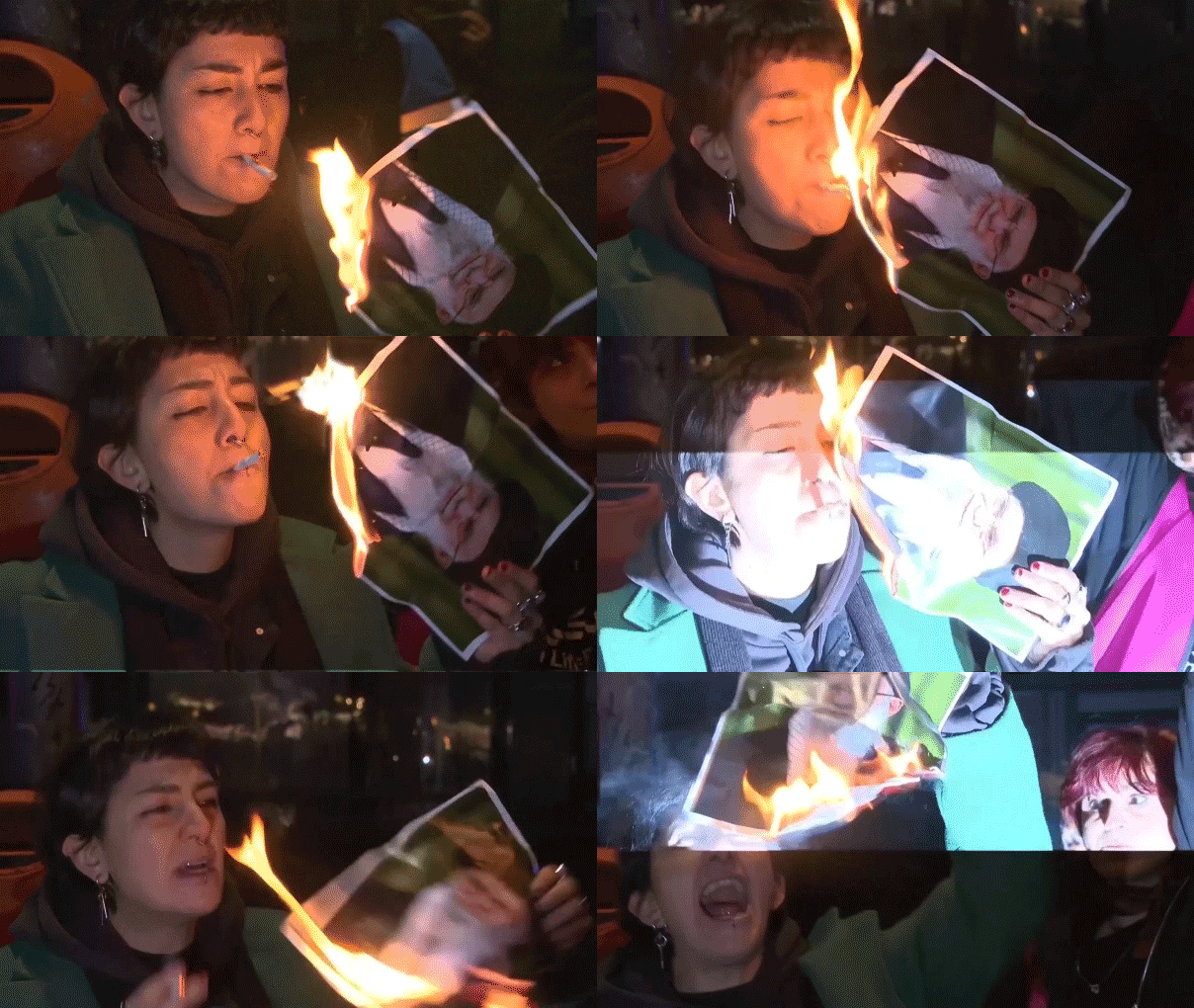
A viral video showing an Iranian refugee lighting a cigarette with a burning image of Iran’s Supreme Leader has become a powerful symbol of defiance as protests continue to rock the Islamic Republic.
The 34-second clip, first reported by the Associated Press, features a woman believed to be living in Canada igniting a photo of Ayatollah Ali Khamenei before calmly lighting her cigarette and dropping the burning image to the ground. In Iran, such an act would be considered a capital crime.
The video has spread rapidly across social media platforms including X, Instagram, and Reddit, garnering millions of views worldwide. Its impact has transcended the digital realm, inspiring protesters at demonstrations across Europe, Israel, and the United States to recreate the act in solidarity.
According to the Associated Press, the woman who created the video has identified herself as an Iranian refugee living in Toronto. She reportedly fled Iran after experiencing repeated arrests and abuse by security forces. Out of concern for her safety and that of family members still in Iran, she has requested her real name not be published.
The woman filmed the act on January 7, just one day before Iran imposed a near-total internet blackout. She told media outlets she did so to show solidarity with friends still living under the regime’s rule.
The symbolism of the video is multi-layered and deeply significant. In Iran, burning an image of the Supreme Leader can result in execution. Additionally, public smoking by women is considered immodest, and women are legally required to wear hijabs in public. In the brief clip, the woman defies all three norms simultaneously, appearing without a headscarf as her hair hangs close to the flame.
The Iranian government has responded to growing unrest with intensified repression. State media has announced waves of arrests targeting those labeled as “terrorists.” Authorities have also been seizing Starlink satellite internet equipment, which has become a crucial tool for protestors to circumvent government-imposed internet restrictions and share information with the outside world.
Human rights activists report that the regime has killed thousands in its violent crackdown on dissent. The economic situation within Iran continues to deteriorate, fueling further political instability and public anger toward the government.
The video’s emergence comes at a particularly sensitive moment in international relations, as former U.S. President Donald Trump has indicated he is weighing potential military action against the Iranian regime. The G7 has also threatened Iran with new sanctions over its nationwide protest crackdown.
Some viewers have questioned whether the cigarette-lighting moment was spontaneous or staged, highlighting the growing skepticism surrounding viral content in an era of advanced digital manipulation and information warfare. However, the act’s symbolic power remains undisputed.
The widespread circulation of the video underscores how social media has transformed modern political conflicts. Images and videos can now shape global perception with unprecedented speed, often outpacing governments’ ability to control information flows.
What began as one woman’s act of defiance has evolved into what many are calling the “cigarette girl” moment – a potent symbol of resistance against authoritarian rule that continues to resonate globally as Iran faces mounting internal pressure and international scrutiny.
Fact Checker
Verify the accuracy of this article using The Disinformation Commission analysis and real-time sources.

10 Comments
While symbolic acts like this video can inspire global solidarity, I worry they may do little to actually improve the lived experiences of Iranians under the regime’s oppression. I hope the protests lead to meaningful policy changes and accountability for human rights abuses.
While I understand the urge to protest the Iranian regime’s human rights abuses, I worry that acts like this could provoke a violent crackdown. I hope the protesters can find ways to make their voices heard without escalating tensions further.
That’s a valid concern. Nonviolent civil disobedience has a stronger moral and strategic standing, but the regime’s brutality makes it a high-risk approach. International pressure and solidarity may be key to protecting the protesters.
This video is a sobering reminder of the dangers faced by dissidents in Iran. I commend the woman’s courage, but hope she and her family remain safe. The global community must continue to shine a light on the regime’s repression and support the Iranian people’s struggle for basic freedoms.
The video’s impact demonstrates the galvanizing power of social media, but we must remember that real change requires sustained, coordinated action beyond the digital realm. I hope the international community can find ways to tangibly support the Iranian people’s struggle for freedom and justice.
Absolutely. Symbolic gestures are important, but concrete economic and diplomatic pressure, as well as humanitarian aid, will be crucial to creating the conditions for meaningful reform in Iran.
This act of defiance is a powerful symbol of the Iranian people’s ongoing struggle for freedom and human rights. I hope the protests continue to gain global momentum and put pressure on the regime to enact meaningful reforms.
I agree, it’s incredibly brave of this woman to risk her safety and speak out against the oppression in Iran. Peaceful protest is a fundamental human right that must be protected.
The video’s viral spread underscores the power of digital activism in amplifying messages of resistance. However, the Iranian regime’s ruthless crackdown on online dissent is deeply concerning. I hope tech platforms can find ways to protect vulnerable activists without compromising free expression.
That’s a challenging balance to strike. Protecting vulnerable activists while preserving open discourse is critical, but not easy given authoritarian regimes’ sophisticated digital surveillance and censorship tactics.