


Listen to the article
Iranian Foreign Minister Calls Indirect Nuclear Talks with US “A Good Start”
Iranian Foreign Minister Abbas Araghchi described recent indirect nuclear talks with the United States in Oman as “a good start,” indicating a possible thaw in relations after months of heightened tensions between the two nations.
“After a long period without dialogue, our viewpoints were conveyed, and our concerns were expressed,” Araghchi said following the discussions. “Our interests, the rights of the Iranian people, and all matters that needed to be stated were presented in a very positive atmosphere, and the other side’s views were also heard.”
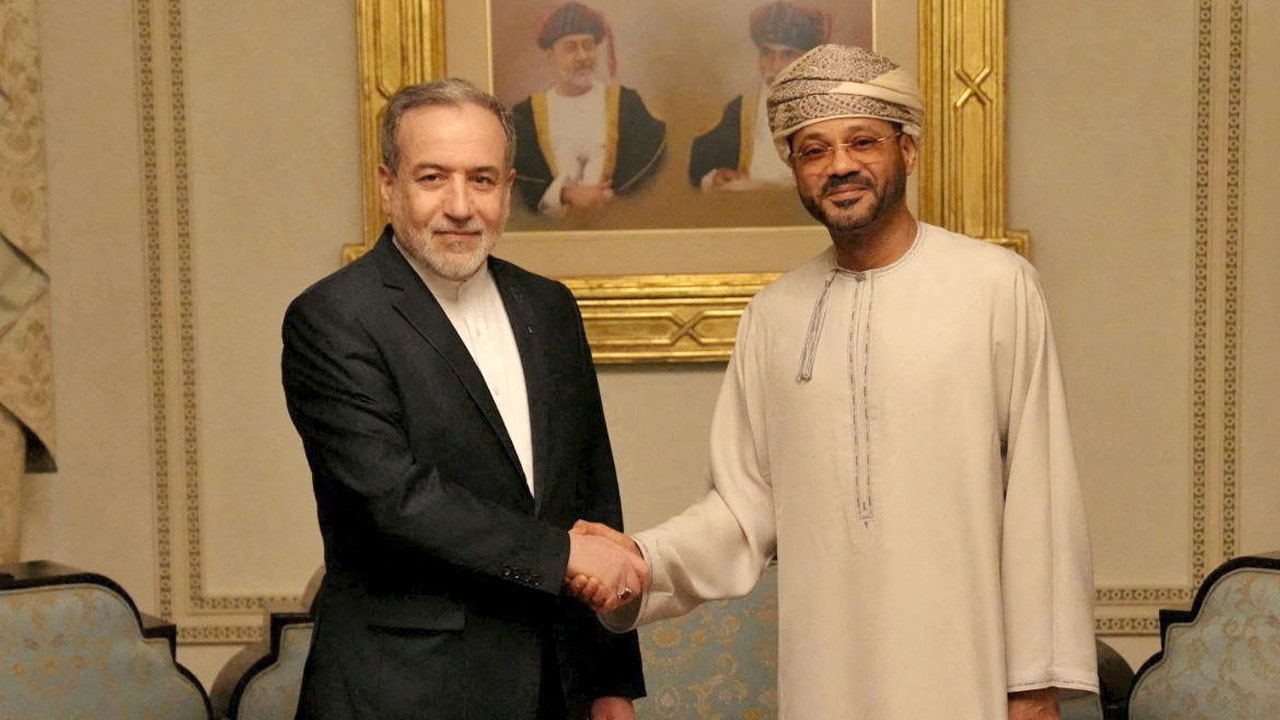
The talks, which took place on Friday in Muscat, Oman, were facilitated by Omani Foreign Minister Badr al-Busaidi, who held separate meetings with Araghchi and the U.S. delegation led by special envoy Steve Witkoff and negotiator Jared Kushner. According to Omani officials, these consultations “focused on preparing the appropriate conditions for resuming diplomatic and technical negotiations,” with emphasis on achieving “sustainable security and stability” in the region.
The venue for these discussions had been a point of contention, as U.S. Secretary of State Marco Rubio confirmed earlier in the week. The talks were initially planned for Turkey, but Iranian officials reportedly requested a change. “We thought we had an established forum that had been agreed to in Turkey. It was put together by a number of partners who wanted to attend and be a part of it,” Rubio told reporters on Wednesday.
According to reports, Iran had pushed for a bilateral format with the U.S., attempting to exclude other Arab and regional countries from the discussions.
Journalists from The Associated Press observed the diplomatic choreography in Oman, noting that Iranian representatives met with al-Busaidi first. Only after their convoy departed did another set of vehicles arrive, one flying an American flag, which remained at the palace for approximately 90 minutes.
These talks come against a backdrop of extraordinary tension between Washington and Tehran. Relations deteriorated sharply after the United States bombed Iranian nuclear facilities in the summer of 2025. The situation was further complicated by widespread anti-regime protests in Iran and subsequent government crackdowns, which drew international condemnation.
President Donald Trump has maintained a hard line toward the Iranian regime, recently saying in an NBC News interview that Supreme Leader Ayatollah Ali Khamenei “should be very worried,” though he acknowledged that negotiations were underway. When questioned about his previous threats to take action if the regime used violence against protesters, Trump asserted that the U.S. “had their back” and that Iran was “a mess right now because of us,” referring to the strikes on nuclear facilities.
Trump also revealed in the interview that U.S. intelligence had discovered Iran was attempting to build a new nuclear site in a different part of the country, prompting him to warn that if Iran proceeded, the U.S. would “do very bad things.”
Despite the positive characterization of the talks by Araghchi, he cautioned that continuation of the dialogue “depends on consultations in our respective capitals and deciding on how to proceed.” The Omani Foreign Ministry similarly emphasized that the parties were determined to ensure the success of the negotiations.
The resumption of even indirect talks marks a significant development in U.S.-Iran relations, which have been at their lowest point in years. With both sides acknowledging the discussions, analysts are watching closely to see if this diplomatic opening can lead to more substantial negotiations over Iran’s nuclear program and broader regional issues.
It remains unclear whether additional discussions will take place over the weekend or if there are plans for direct talks between Iranian and American officials in the near future.
Fact Checker
Verify the accuracy of this article using The Disinformation Commission analysis and real-time sources.

12 Comments
Interesting development in the Iranian nuclear talks. It’s good to see some progress, even if just a ‘good start’. Hopefully this leads to a constructive dialogue and a path forward on this longstanding issue.
Agreed, any positive momentum is welcome after the tensions of the past few years. The Oman talks seem to have provided a productive venue for the parties to exchange views.
While the ‘good start’ is encouraging, I remain cautiously optimistic. The path to a comprehensive nuclear deal is still long and complex, with many political hurdles to overcome. Steady, patient diplomacy will be key.
That’s a fair assessment. Progress on this issue has historically been slow and uneven. Maintaining open channels of communication is vital, even if a final agreement proves elusive for now.
As an investor in energy and mining equities, I’ll be closely watching how these nuclear negotiations unfold. A resolution, even a partial one, could unlock significant opportunities in the Iranian market.
That’s a good point. Investors will be closely monitoring the talks for any indications of a thaw in US-Iran relations and the potential for sanctions relief. Even incremental progress could be valuable.
I’m curious to see how these indirect negotiations evolve. The choice of Oman as the host seems strategic, given their history of facilitating dialogue between Iran and the West. It will be important to keep the momentum going.
Absolutely, Oman has often played a constructive role as an intermediary in the region. Their involvement could help bridge the gaps between the Iranian and US positions.
The Oman talks are an important first step, but there’s still a lot of work ahead. I hope both sides can build on this initial momentum and find ways to address each other’s core concerns and interests.
Absolutely. Compromises and creative solutions will be needed to bridge the gaps. But the fact that they’re talking is a positive sign, and a necessary precursor to any lasting deal.
The nuclear issue has huge geopolitical and economic implications, especially for the energy and commodities sectors. A breakthrough, even a modest one, would be significant. I’ll be following this story closely.
You make a good point. A resolution could have far-reaching impacts, potentially opening up new investment and trade opportunities in Iran’s energy and mining industries.