


Listen to the article
Iranian Man Among Two Arrested Attempting to Enter UK Naval Base
Two individuals were arrested on Thursday after they unsuccessfully attempted to gain access to HM Naval Base Clyde in Scotland, according to Police Scotland. One of the suspects was identified as a 34-year-old Iranian man, while the other was a 31-year-old woman whose nationality has not been disclosed.
“Around 5pm on Thursday, 19 March, 2026, we were made aware of two people attempting to enter HM Naval Base Clyde,” Police Scotland confirmed in a statement. “A 34-year-old man and 31-year-old woman have been arrested in connection and enquiries are ongoing.”
According to reports from The Telegraph citing The Times, the suspects were initially turned away from the facility because they lacked proper authorization. They were later apprehended in the vicinity of the base for allegedly “acting suspiciously.”
A Royal Navy spokesperson acknowledged the incident but provided limited details: “Police Scotland have arrested two people who unsuccessfully attempted to enter HM Naval Base Clyde on Thursday 19 March. As the matter is subject to an ongoing investigation, we will not comment further.”
The timing of this incident raises concerns given current geopolitical tensions. The attempted breach of a high-security military installation by an Iranian national comes amid heightened tensions between Western nations and Iran.
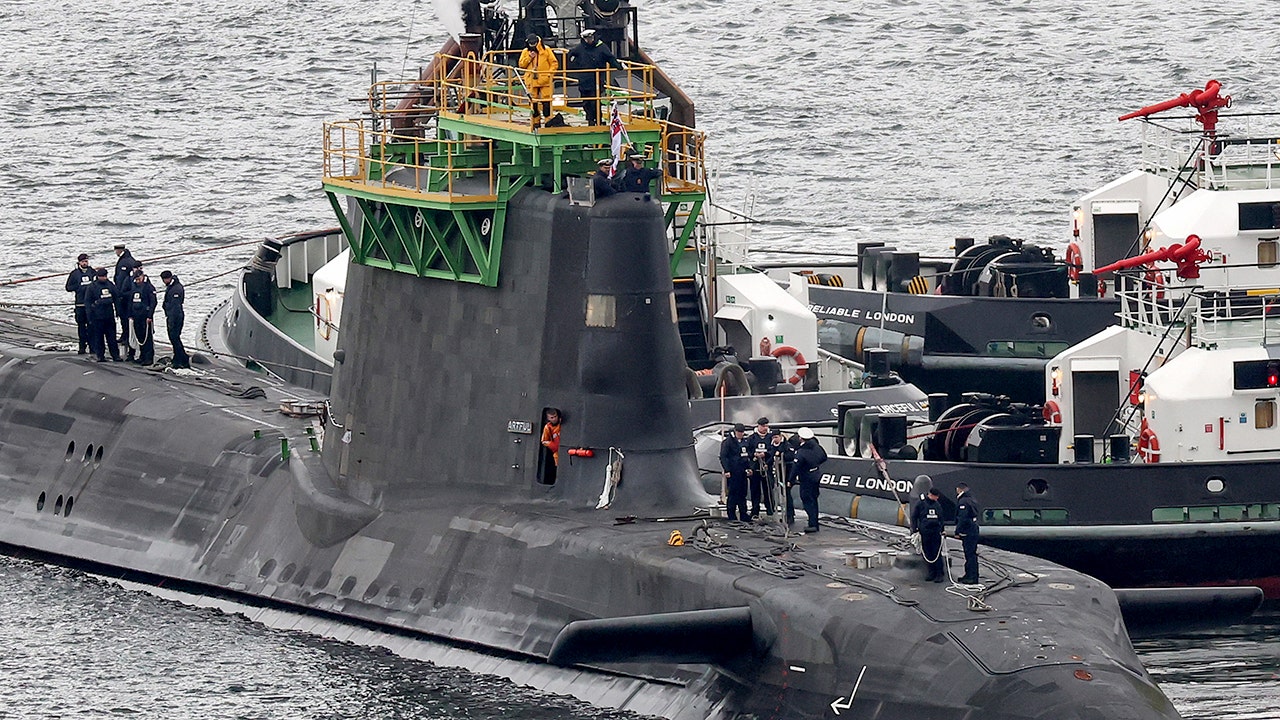
HM Naval Base Clyde, commonly known as Faslane, represents one of the United Kingdom’s most sensitive military installations. Located on Scotland’s west coast, it serves as the headquarters for Britain’s nuclear submarine fleet and houses the nation’s nuclear deterrent capabilities.
The Royal Navy describes the base as home “to the core of the Submarine Service, including the nation’s nuclear deterrent, and the new generation of hunter-killer submarines.” According to UK Parliament documentation, the entire British submarine fleet—consisting of nine vessels—operates from this strategic location.
Five of these submarines are Astute-class vessels—conventionally-armed but nuclear-powered attack submarines with advanced warfare capabilities. The remaining four are Vanguard-class ballistic missile submarines (SSBNs) that constitute Britain’s sea-based nuclear deterrent force, equipped with Trident missiles.
Security protocols at naval installations like Faslane include multiple layers of verification and authorization requirements. The fact that the suspects were denied entry at an initial checkpoint suggests these systems functioned as intended, though the incident will likely prompt a review of perimeter security measures.
The arrest comes at a time when several Western nations have reported increased surveillance and suspected espionage activities targeting military and government facilities. The UK’s Ministry of Defence has previously expressed concerns about foreign intelligence gathering operations directed at British defense capabilities.
Intelligence and security analysts have noted that naval facilities housing nuclear assets are particularly high-value intelligence targets for nations seeking information on Western military capabilities and operational procedures.
Authorities have not yet disclosed what charges may be filed against the two individuals or what their motives might have been for attempting to access the facility. The investigation is ongoing, with counter-terrorism and intelligence agencies likely involved in examining the backgrounds of those arrested and determining if they have connections to foreign governments or organizations.
The UK government has made no official statement regarding whether this incident is being treated as an attempted security breach, espionage effort, or other form of threat to national security.
Fact Checker
Verify the accuracy of this article using The Disinformation Commission analysis and real-time sources.

8 Comments
Nuclear security is a complex and sensitive issue. While the details are still emerging, it’s reassuring to see the prompt response and arrest of the suspects by the UK authorities. Maintaining robust defenses around critical military installations is essential.
As someone interested in the global energy landscape, I’m curious to learn more about the details behind this attempted entry into the UK nuclear missile base. Was this an isolated incident, or are there broader security concerns regarding the safety of such strategic facilities?
That’s a good question. The lack of information in the report raises concerns about the potential broader implications. Hopefully the investigation will uncover the full context and nature of this incident.
Attempted breaches of high-security military facilities are always concerning, regardless of the suspects’ backgrounds. The priority should be to thoroughly investigate the incident and take appropriate measures to strengthen security protocols and prevent similar occurrences in the future.
The fact that one of the suspects was identified as an Iranian national adds an intriguing geopolitical angle to this story. I wonder if there are any connections to be explored between this incident and broader tensions or security concerns in the region.
That’s an interesting observation. The nationality of the suspects could potentially point to more complex underlying motivations. Further investigation into any potential links to regional dynamics would certainly be warranted.
Concerning incident at the UK naval base. Heightened security measures are crucial to safeguard sensitive military installations, especially against potential espionage attempts. I hope the ongoing investigation provides more clarity on the suspects’ motives and actions.
Agreed. Protecting critical infrastructure from unauthorized access is of utmost importance for national security. Authorities must remain vigilant and respond swiftly to such breaches.