


Listen to the article
The World Economic Forum (WEF) is under mounting pressure to exclude Iranian regime officials from its upcoming summit in Davos amid accusations of mass killings of protesters in Iran. Despite these calls, the forum has reportedly added Iranian Foreign Minister Abbas Araghchi to its schedule.
United Against Nuclear Iran (UANI), a prominent watchdog group, sent a formal letter to WEF President Borge Brende last Friday urging the organization not to host any officials from the Islamic Republic. According to UANI, the forum did not respond to their appeal and instead scheduled an interview with Araghchi as part of the summit’s programming.
Mark Wallace, UANI’s CEO and former U.S. Ambassador to the United Nations during the George W. Bush administration, cited alarming reports from human rights organizations regarding the Iranian regime’s brutal crackdown on civilian protesters.
“Just this month, the Iranian regime has carried out what some believe to be the largest massacre in its history,” Wallace wrote in his letter. “Araghchi is a member of the Supreme National Security Council (SNSC), which reportedly issued an order to use live fire on Iranian civilians protesting.”
The letter states that estimates suggest the regime killed between 12,000 and 20,000 Iranians over several days in January as citizens demonstrated against Ayatollah Ali Khamenei’s rule. These figures, while disputed, represent one of the most severe crackdowns in recent Iranian history.
“Hosting Iranian regime officials, such as Araghchi, who whitewash this record is deeply offensive and would be wholly inappropriate to platform at a Forum whose theme this year is ‘A Spirit of Dialogue,'” Wallace continued. “Instead of dialogue, the Islamic Republic offered bullets to these brave Iranians.”
In a significant development, Iran’s Supreme Leader Khamenei publicly acknowledged for the first time on Saturday that thousands were killed during the recent protests, according to BBC reporting. During his address, Khamenei blamed the United States for the unrest and violence while claiming some protesters died “in an inhuman, savage manner.”
The U.S.-based Iranian Human Rights Activists News Agency estimates that more than 3,000 people were killed during approximately three weeks of demonstrations. However, Iranian authorities have not released official figures, and some estimates place the death toll much higher. Video evidence verified by BBC Persian and BBC Verify shows Iranian security forces firing directly at demonstrators.
The controversy comes amid increased international scrutiny of Iran’s human rights record and growing diplomatic tensions. Former President Donald Trump weighed in on the situation Saturday, telling Politico that “it’s time to look for new leadership in Iran” after being shown posts from Khamenei’s social media account blaming Trump for the violence.
“What he is guilty of, as the leader of a country, is the complete destruction of the country and the use of violence at levels never seen before,” Trump said. “Leadership is about respect, not fear and death.”
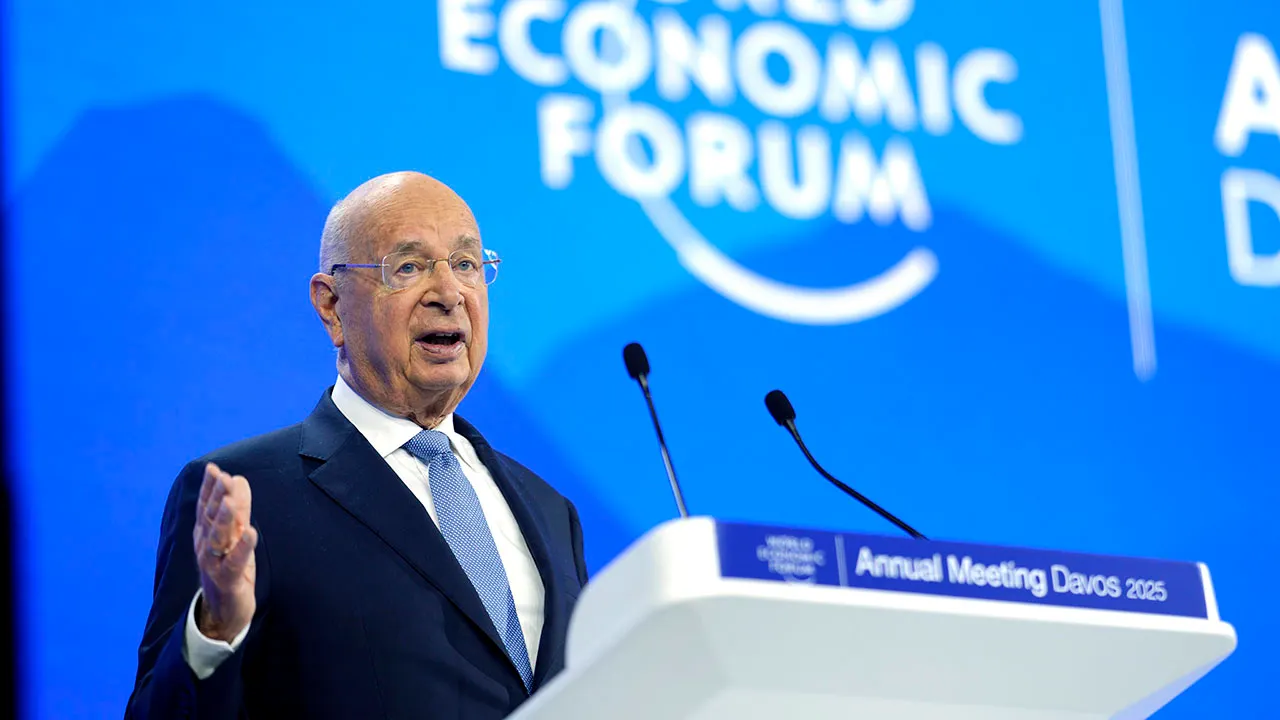
The WEF, which brings together global political and business leaders annually in the Swiss resort town of Davos, has not publicly responded to requests for comment regarding its decision to include Iranian representation despite the controversy.
The situation highlights the complex balance international forums must strike between maintaining diplomatic channels with all nations while responding to serious human rights concerns. Critics argue that providing a platform to representatives of regimes accused of mass killings legitimizes their actions and undermines the forum’s stated commitment to dialogue and human rights.
As the Davos summit approaches, the debate surrounding Iranian participation is likely to intensify, placing additional pressure on WEF organizers to address these concerns while maintaining their role as a venue for global dialogue.
Fact Checker
Verify the accuracy of this article using The Disinformation Commission analysis and real-time sources.

7 Comments
The Iranian regime’s brutal crackdown on protesters is deeply concerning. Inviting the Foreign Minister to Davos sends the wrong message and risks normalizing the regime’s actions. I hope the WEF reconsiders this decision.
It’s troubling to see the WEF potentially providing a platform for an Iranian official linked to the regime’s violent repression of civilians. Accountability and human rights should take precedence over political expediency.
I agree, the WEF should not be elevating Iranian officials involved in such egregious human rights abuses. They need to take a strong stance in support of the Iranian people’s right to protest peacefully.
Allowing the Iranian Foreign Minister to speak at Davos despite the regime’s brutal crackdown on protesters is a concerning decision. The WEF should carefully reconsider its programming to avoid legitimizing the regime’s actions.
The Iranian regime’s violent suppression of protesters is unacceptable. Inviting the Foreign Minister to Davos is a troubling move that appears to prioritize political expediency over human rights. I hope the WEF reconsiders this decision.
I’m puzzled by the WEF’s decision to include the Iranian Foreign Minister given the well-documented human rights abuses. This risks undermining the forum’s credibility and commitment to ethical leadership.
Agreed, the WEF needs to take a principled stand and exclude Iranian officials from the summit. Providing them a platform would be a betrayal of the forum’s stated values.