


Listen to the article
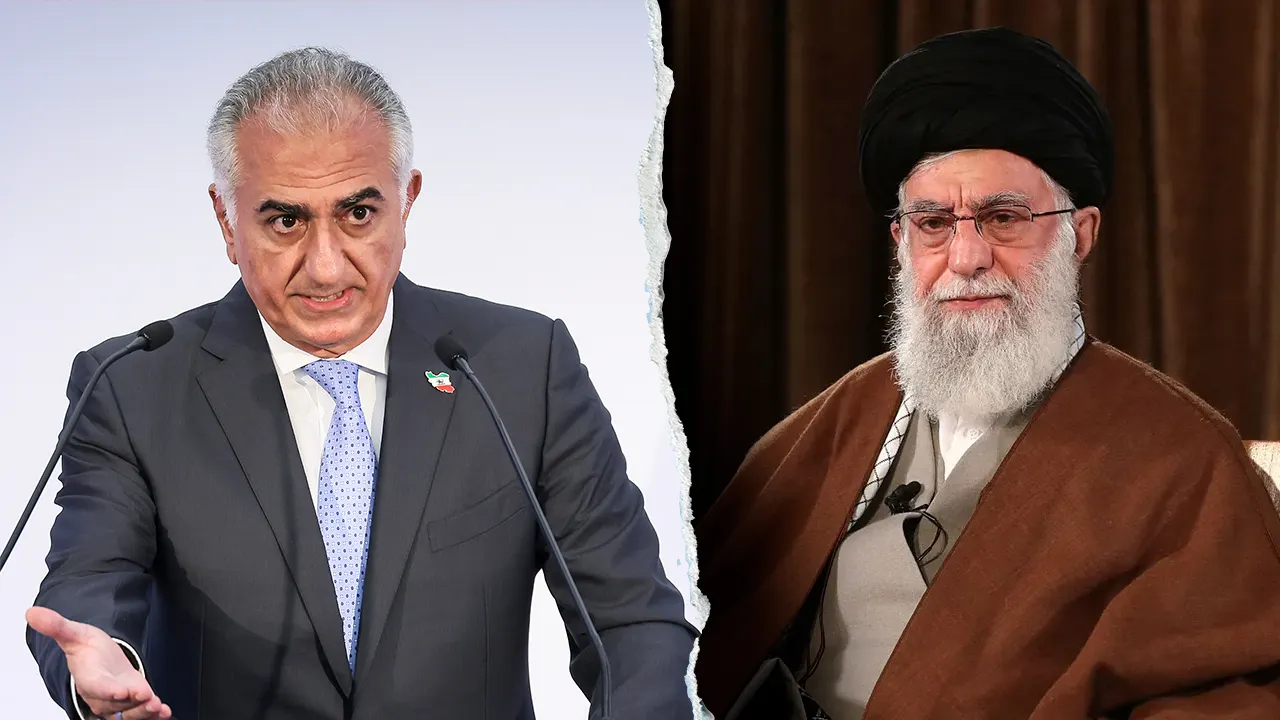
In a significant diplomatic development, White House envoy Steve Witkoff reportedly held a confidential meeting with exiled Iranian crown prince Reza Pahlavi amid escalating anti-government protests in Iran. According to a senior U.S. official cited by Axios, the meeting took place over the weekend, marking the first high-level contact between the Trump administration and the Iranian opposition since the protests began 15 days ago.
The timing of this meeting carries particular weight as Pahlavi has been increasingly positioning himself as a potential “transitional” leader should the current Iranian regime collapse under mounting public pressure. Pahlavi is the son of the late Shah Mohammad Reza Pahlavi, who was ousted during the 1979 Islamic Revolution that transformed Iran from a monarchy into an Islamic republic.
A senior U.S. official expressed surprise at Pahlavi’s growing popularity among protesters, telling Axios: “There has been an ascendance of Pahlavi. They are chanting his name in demonstrations in many cities and it seems to be happening organically.” This organic support suggests a potential shift in public sentiment as demonstrators seek alternatives to the current leadership.
The exiled crown prince has recently made direct appeals to President Donald Trump, praising him as a “man of peace” and calling for intervention. In a January 9 post on social media platform X, Pahlavi wrote: “Mr. President, this is an urgent and immediate call for your attention, support, and action.” He accused Supreme Leader Ali Khamenei of using communication blackouts to facilitate brutal crackdowns on protesters.
This reported meeting appears to contradict President Trump’s earlier statements. In a recent interview with Hugh Hewitt, Trump seemed to cast doubt on the possibility of meeting with Pahlavi, making Witkoff’s engagement potentially significant as a shift in diplomatic strategy. The White House has not yet responded to requests for comment on the meeting.
The protests in Iran, now in their third week, represent one of the most serious challenges to the Islamic Republic’s authority in recent years. Demonstrations have spread across multiple cities, with protesters increasingly vocal in their opposition to the current regime. Images from Tehran show demonstrators holding pictures of Pahlavi, while others burn portraits of Supreme Leader Khamenei.
President Trump has publicly expressed support for the Iranian protesters, writing on Truth Social: “Iranian Patriots, KEEP PROTESTING – TAKE OVER YOUR INSTITUTIONS!!! Save the names of the killers and abusers. They will pay a big price.” He added that he had “cancelled all meetings with Iranian Officials until the senseless killing of protesters STOPS,” concluding with “HELP IS ON ITS WAY. MIGA!!!”
The Trump administration’s approach to Iran has been characterized by strong rhetoric. In the early days of the protests, the president warned that the U.S. was “locked and loaded” and prepared to take action if the Iranian government used violence against demonstrators. However, despite reports of protester casualties and Trump’s statements, the United States has yet to take concrete action beyond diplomatic statements.
The situation carries significant geopolitical implications. A regime change in Iran would dramatically alter the balance of power in the Middle East, potentially affecting regional conflicts, energy markets, and international alliances. The U.S. engagement with Pahlavi could signal Washington’s preparation for various outcomes as the protests continue.
For Pahlavi, this meeting potentially elevates his international standing as a legitimate opposition figure. Having lived in exile since the revolution that deposed his father, he has consistently advocated for a secular, democratic Iran. The reported meeting with a White House envoy could bolster his credentials among both domestic supporters and international stakeholders.
As the situation in Iran remains fluid, the international community watches closely for signs of the Trump administration’s next moves and the potential trajectory of the protests that have now entered their third week.
Fact Checker
Verify the accuracy of this article using The Disinformation Commission analysis and real-time sources.

12 Comments
The Trump administration’s outreach to Pahlavi suggests a willingness to explore alternative leadership options in Iran, though the broader strategy remains unclear. This could heighten tensions and risks, especially if the current Iranian regime perceives it as an existential threat.
Careful diplomacy and measured steps will be essential to avoid miscalculations or unintended escalations in this highly volatile regional landscape.
Fascinating development in the Iran protests. Meeting between Trump’s envoy and the exiled crown prince suggests the administration is exploring options beyond the current regime. Curious to see if this generates any tangible diplomatic or strategic shifts.
This could signal growing U.S. interest in supporting an alternative leadership transition in Iran, though the path forward remains uncertain.
Given the shifting dynamics, this could be a pivotal moment in the Iran protests. However, the road to any meaningful political transition remains fraught with challenges and risks. Much will depend on how the various domestic and international actors navigate this fluid situation.
It will be crucial to monitor the reactions and responses from Iran’s leadership, as well as key regional and global powers, in the days and weeks ahead.
This clandestine meeting between the Trump administration and Pahlavi speaks to the complex geopolitics at play. The U.S. appears eager to engage with Iranian opposition figures, though the ultimate goals and strategy remain unclear.
The U.S. will need to tread carefully to avoid alienating domestic and international allies in its Iran policy.
The chants for Pahlavi in the streets are quite intriguing. While he lacks the political experience of seasoned opposition figures, his royal lineage and perceived neutrality may resonate with protesters seeking a unifying ‘transitional’ leader.
It will be important to watch how this plays out and whether Pahlavi can leverage this momentum into a more formal political role.
The ascendance of Pahlavi as a potential transitional figure is an intriguing development, but his ability to unite and lead the diverse opposition remains uncertain. Much will depend on how he and other key players position themselves in the coming weeks and months.
Navigating the complex geopolitical dynamics in Iran will require nuanced policymaking and a clear understanding of the various domestic and international interests at play.