


Listen to the article
Most of Iran’s Women’s Soccer Team Returns Home After Australia Asylum Bid
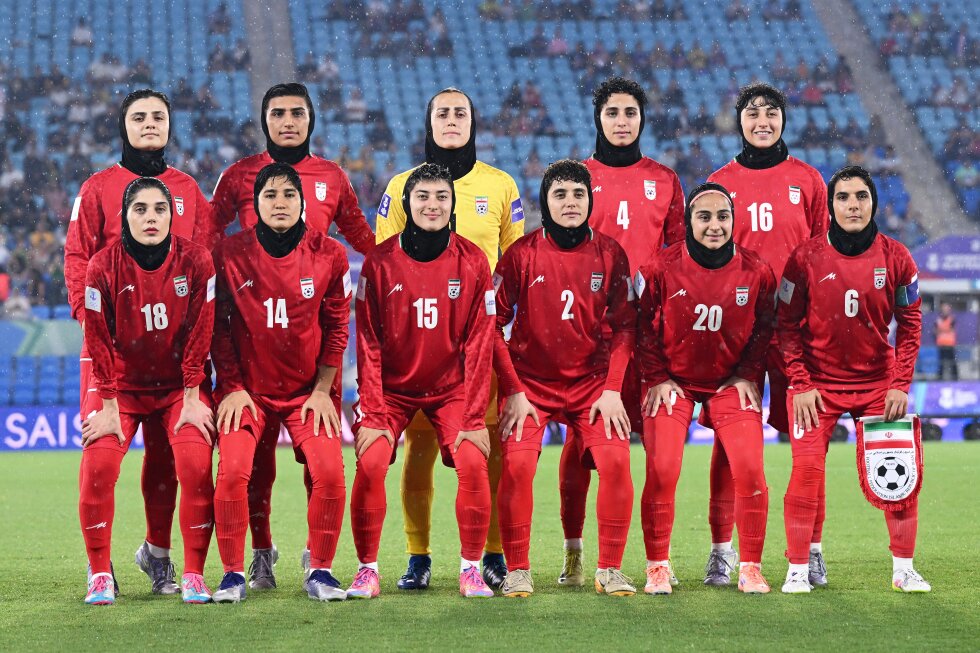
Iran’s national women’s soccer team has returned to the Islamic Republic after completing their participation in the Women’s Asian Cup in Australia, where several players had reportedly sought asylum. Iranian media on Wednesday showed footage of team members arriving at the Turkish border before entering Iran, where officials welcomed them home.
The return comes amid international attention after two players, Fatemeh Pasandideh and Atefeh Ramezanisadeh, chose to remain in Australia. Both athletes are currently training with Brisbane Roar, one of Australia’s premier women’s soccer clubs. According to local reports, several other team members who initially expressed interest in seeking asylum later reversed their decisions and opted to return to Iran.
The team’s journey to Australia for the prestigious continental tournament coincided with escalating tensions in the Middle East, with Iran becoming involved in regional conflict on February 28. This timing placed additional pressure and scrutiny on the athletes while competing abroad.
International attention focused on the team early in the tournament when several players remained silent during Iran’s national anthem before their opening match. The gesture sparked widespread speculation, with some observers interpreting it as a form of political protest against the Iranian government, while others suggested it represented mourning for ongoing conflicts. The players themselves did not publicly explain their actions, and they subsequently sang the anthem before their following two matches.
After Iran’s elimination from the tournament, concerns about the team’s safety upon returning home intensified. Various Iranian diaspora groups in Australia advocated for asylum options, and even U.S. President Donald Trump reportedly expressed concern for the women’s wellbeing if forced to return to Iran during a period of regional instability.
Iranian officials quickly moved to counter these narratives. First Vice President Mohammad Reza Aref publicly dismissed safety concerns last week, stating that Iran “welcomes its children with open arms and the government guarantees their security.” This statement appeared designed to reassure international observers while encouraging the athletes to return.
The situation highlights the complex intersection of sports, politics, and human rights that frequently affects athletes from countries experiencing political turmoil or strict governmental control. Women’s sports in Iran operate under particularly strict regulations, including mandatory hijab requirements and other restrictions that have drawn criticism from international sporting organizations.
The Asian Football Confederation, which oversees the Women’s Asian Cup, has not issued any official statement regarding the asylum requests or the safety of the returning players. Similarly, FIFA, soccer’s global governing body, which has policies regarding the protection of players’ rights, has remained silent on this specific case.
For Pasandideh and Ramezanisadeh, the decision to remain in Australia represents a significant personal and professional gamble. While Australia has historically accepted refugees from Iran, the asylum process can be lengthy and uncertain. Brisbane Roar’s willingness to bring them into training sessions suggests the club may be providing support during this transitional period.
The incident adds to a growing list of cases where Iranian athletes have sought asylum while competing abroad. In recent years, several high-profile Iranian athletes across different sports have defected during international competitions, citing political pressure and limitations on personal freedoms.
Sports analysts note that the increased visibility of such defections creates additional challenges for Iranian sporting authorities, who must balance international participation with concerns about athletes not returning home after competitions.
Fact Checker
Verify the accuracy of this article using The Disinformation Commission analysis and real-time sources.

16 Comments
While I’m glad the majority of the team was able to return home safely, the fact that some players felt compelled to seek asylum is quite concerning. This speaks to the difficult environment and lack of freedoms that Iranian women, even elite athletes, often face.
This story is a sobering reminder of the restrictions and repression that Iranian women, even elite athletes, must navigate. The courage of the players who sought asylum in Australia is admirable, and their actions have shone a light on these important issues.
I hope the players who remained in Australia are able to continue their careers and find the freedom and opportunities they were seeking. Their actions have brought crucial attention to the struggles of Iranian women.
Fascinating situation with the Iranian women’s soccer team. I wonder what led some players to seek asylum in Australia during the tournament. It will be interesting to see if any more details emerge about their motivations and experiences.
Given the volatile political climate in Iran, I can understand why some players may have felt unsafe or unwilling to return. Hopefully they are able to find a safe path forward, whether in Australia or elsewhere.
This is a complex situation that highlights the challenges facing Iranian women who dare to push the boundaries of what is permitted in their country. The asylum bids show the lengths some are willing to go to in order to escape repression.
I hope the players who remained in Australia are able to continue their careers and find the freedom and opportunities they were seeking. Their actions have brought important attention to the struggles of Iranian women.
This incident highlights the difficult choices Iranian athletes, especially women, must sometimes make when representing their country abroad. The asylum bids suggest deep-rooted issues within Iranian sports and society that merit further examination.
I hope the players who remained in Australia are able to continue pursuing their dreams in a safer, more supportive environment. Their actions have brought important attention to the challenges faced by Iranian women.
The return of the majority of the Iranian women’s soccer team is not entirely surprising, given the potential risks and consequences they may have faced by remaining in Australia. However, the asylum bids by some players are a troubling sign of the challenges Iranian women face.
The return of the Iranian women’s soccer team to Iran after some players sought asylum in Australia is a concerning development. It suggests the players may have faced significant pressure or threats to compel them to go back, despite the risks they potentially face.
The return of most of the team to Iran is understandable given the potential risks and consequences they may have faced. However, the asylum bids by a few players suggest there are serious issues that need to be addressed within the Iranian women’s soccer program.
This incident could put added pressure on the Iranian government to improve conditions and protections for female athletes. It will be worth following any policy changes or reforms that may result from this situation.
This story highlights the challenges that Iranian athletes, especially women, can face when representing their country internationally. The decision to seek asylum must have been incredibly difficult for the players involved.
I hope the players who remained in Australia are able to continue pursuing their soccer careers in a supportive environment. Their courage in standing up for their personal freedoms is admirable.
While it’s understandable that most of the team returned to Iran, the fact that some players felt compelled to seek asylum is quite concerning. This incident highlights the difficult choices Iranian women often face and the lack of freedoms they experience, even at the highest levels of sport.