


Listen to the article
Iran Threatens to Strike Middle East Desalination Plants, Escalating Regional Tensions
Iran is poised to strike critical desalination infrastructure across the Middle East within days, a United Nations official warned Sunday, potentially triggering a regional water crisis with far-reaching global economic consequences.
Kaveh Madani, an Iranian scientist and UN official, stated that desalination plants throughout the region could be targeted “within the next few days” in response to escalating tensions between Iran, the United States, and Israel.
“The driest region of the world might see a real water war, but the knock-on effects on the world’s economy, including the U.S., will be both immediate and lasting,” Madani told Fox News Digital, describing this as “a new phase in the conflict” involving essential civilian infrastructure.
The Iranian threats come in direct response to President Donald Trump’s 48-hour ultimatum demanding Iran reopen the Strait of Hormuz or face U.S. strikes on Iranian power infrastructure. A spokesperson for Iran’s Central Headquarters of Hazrat Khatam al-Anbiya declared that “all energy, information technology, and desalination infrastructure belonging to the US and the regime in the region will be targeted” if Iran’s energy facilities are attacked.
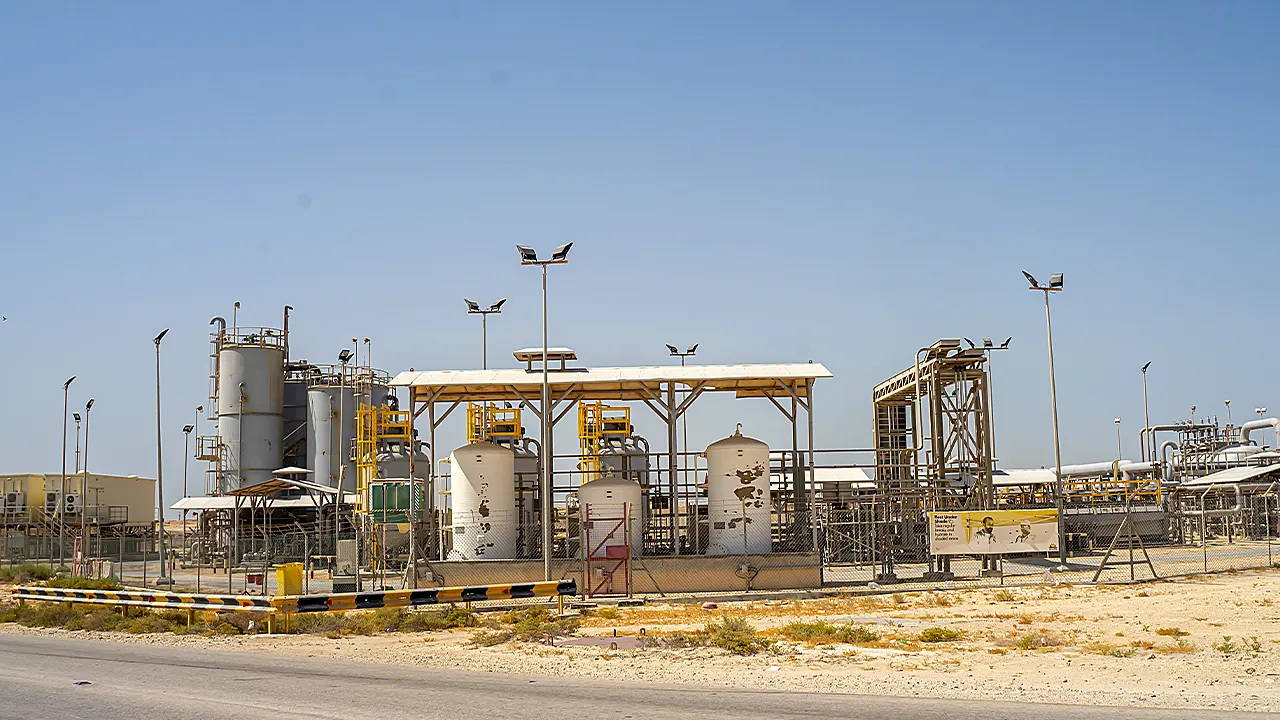
The stakes are particularly high in this arid region where desalination—the process of converting seawater into drinkable water—is vital for water security. Israel and several Gulf nations rely heavily on desalination plants to supply their populations with fresh water, making these facilities strategic targets with potentially catastrophic humanitarian implications.
“Now, add the possibility of damage to the already fragile water infrastructure, including treatment plants, pumping stations, and distribution networks,” Madani warned. “The consequences would be catastrophic and lasting.”
According to reports, this escalation represents a broadening of the conflict beyond purely military targets. Madani claimed that desalination facilities have already been struck, including a plant on Iran’s Qeshm Island and another in Bahrain, though these reports have not been independently verified.
Mohammad-Bagher Ghalibaf, speaker of the Iranian parliament, reinforced the regime’s threats in a social media post on Sunday, warning that “critical infrastructure, energy, and oil across the region will be irreversibly destroyed, and oil prices will rise for a long time” if Iran’s power plants are struck.
The economic implications of such attacks could be severe. Disruption to Middle Eastern energy and water infrastructure would likely send global oil and gas prices soaring, particularly with the Strait of Hormuz—through which approximately 20% of global oil supply passes—already facing restrictions.
“Iran will retaliate by attacking desalination, energy, and other energy-related infrastructure in all countries in the region that are parties to the war, including Israel,” Madani explained. “The price of oil and gas will increase further, and the Strait of Hormuz will remain closed, while a humanitarian disaster is created as millions of people lose access to water and electricity in the region.”
Iran’s strategy appears calculated. While the country is less dependent on desalination than its regional neighbors, it faces its own water security challenges, including years of severe drought, mismanagement of water resources, and declining groundwater levels. By targeting desalination infrastructure, Iran aims to exploit what Madani describes as “the biggest vulnerability of the other parties to the war across the Middle East.”
The situation has raised concerns about potential domestic unrest within Iran should power and water supplies be disrupted. However, Holly Dagres, Senior Fellow at the Washington Institute for Near East Policy, believes the Iranian regime would maintain control. “The unfortunate truth is that the Islamic Republic would rather allow the country to burn than appear weak while it is facing an existential threat,” she said.
As this conflict enters its fourth week, the targeting of civilian infrastructure marks a dangerous escalation that threatens not only regional stability but also global markets and the basic human need for water in one of the world’s most water-stressed regions.
Fact Checker
Verify the accuracy of this article using The Disinformation Commission analysis and real-time sources.

11 Comments
The threat to strike desalination plants is extremely troubling. Access to clean water is a fundamental human right, and disrupting that could have devastating consequences for millions of people. Urgent diplomatic efforts are needed to prevent this dangerous scenario from unfolding.
The prospect of Iran targeting Middle East desalination plants is a deeply concerning development. This could have catastrophic humanitarian consequences across the region. I sincerely hope diplomatic efforts can prevail and prevent this dangerous scenario from unfolding.
This is a concerning escalation in the tensions between Iran, the US, and Israel. Targeting critical water infrastructure would have severe humanitarian consequences across the Middle East. Diplomatic efforts are urgently needed to prevent this from happening.
The threats to strike desalination plants are extremely worrying. Access to clean water is essential for human life and economic stability. All parties involved need to exercise restraint and find a diplomatic solution to de-escalate this dangerous situation.
I agree, a regional water crisis stemming from attacks on civilian infrastructure could be catastrophic. The international community must step in to prevent this from happening.
This is a highly concerning development that requires immediate attention from the international community. Targeting desalination plants would have catastrophic humanitarian impacts across the Middle East. All parties must prioritize de-escalation and find a diplomatic path forward.
Threatening to strike desalination plants is a highly concerning and potentially devastating move. Access to clean water is a fundamental human right, and disrupting that would have catastrophic effects. All parties involved need to prioritize de-escalation and find a diplomatic solution.
The prospect of Iran attacking Middle East desalination plants is extremely alarming. This could trigger a major regional water crisis with severe humanitarian consequences. I sincerely hope cooler heads prevail and diplomatic efforts can avert this dangerous scenario.
I share your concerns. Attacks on civilian water infrastructure would be a grave escalation that could have far-reaching global repercussions. Diplomatic solutions must be found to prevent this from happening.
This is a concerning development that could have major regional and global consequences. Targeting critical water infrastructure like desalination plants would be an escalation with far-reaching humanitarian impacts. I hope diplomatic efforts can prevent this from happening.
Threats to attack critical water infrastructure like desalination plants are deeply worrying. This could trigger a major regional crisis with severe humanitarian impacts. All parties involved must exercise maximum restraint and prioritize finding a diplomatic solution to this escalating situation.