


Listen to the article
Iran Tests New Naval Air Defense Missile Amid Rising Regional Tensions
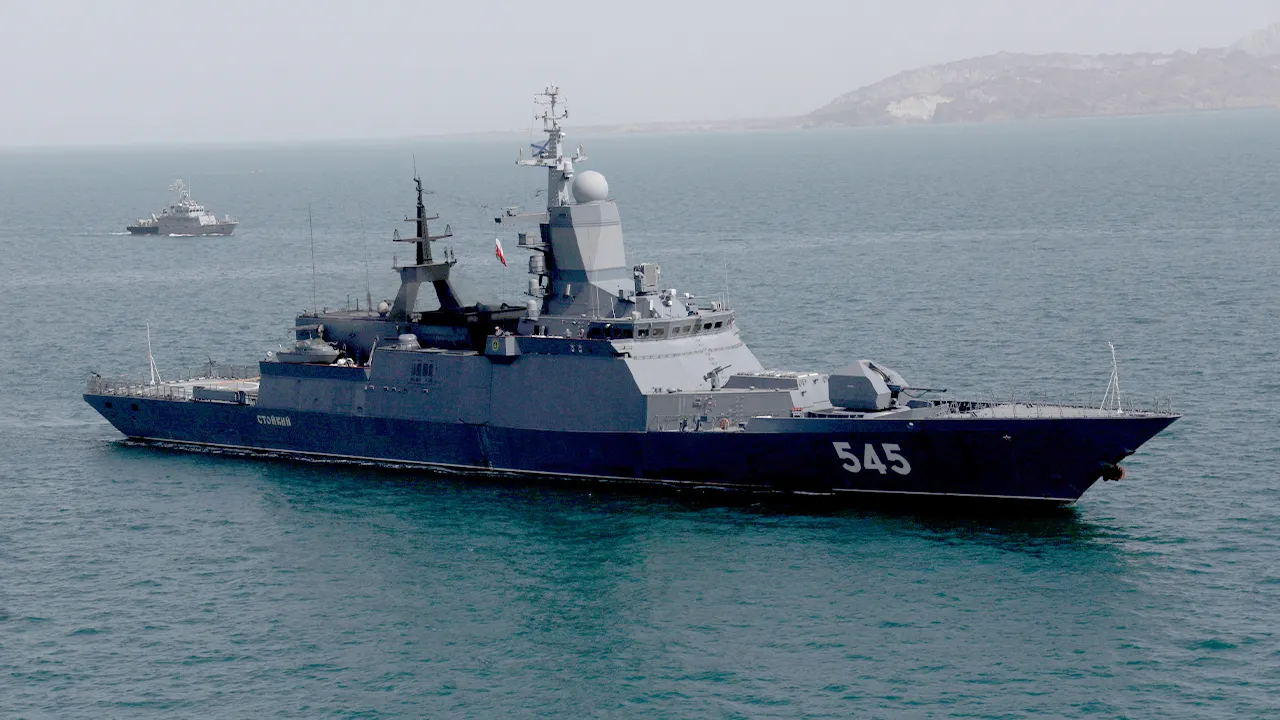
Iran announced Sunday that it has successfully tested a new naval air defense missile during military exercises in the strategically crucial Strait of Hormuz, as the United States continues to bolster its military presence in the region.
The Islamic Revolutionary Guard Corps (IRGC) Navy launched the Sayyad 3-G missile for the first time during what it called the “Smart Control of the Strait of Hormuz” exercise, according to Iran’s state-linked Mehr News Agency.
The Sayyad 3-G represents a naval adaptation of Iran’s land-based Sayyad-3 air defense system. According to Iranian officials, the missile has a range of approximately 150 kilometers (about 93 miles) and can be deployed from ship-based vertical launch systems. The system is designed to intercept various aerial threats including military aircraft, maritime patrol planes, and high-altitude unmanned aerial vehicles.
Iranian state media reports that the missile system can integrate with a ship’s onboard radar and command-and-control network while maintaining independent tracking capability, potentially enhancing the Iranian navy’s defensive capabilities in the Persian Gulf region.
The missile test comes amid heightened tensions between Iran and the United States, with Washington conducting a significant military buildup around Iran while simultaneously engaging in diplomatic talks regarding Tehran’s nuclear program.
The U.S. currently maintains a substantial deployment of naval and air assets positioned strategically around Iran, spanning the eastern Mediterranean, the Red Sea, and the Persian Gulf. The USS Abraham Lincoln aircraft carrier strike group is currently operating in the Arabian Sea, supported by multiple guided-missile destroyers. Additional destroyers have been stationed in the Mediterranean and Red Sea, with several combat ships positioned in the Persian Gulf near Iran’s southern coastline.
The Pentagon has also reinforced military bases across the region, including installations in Saudi Arabia that host aircraft and provide support for air operations and logistics. Military analysts have noted that the scale of the current U.S. buildup mirrors preparations seen before previous conflicts in the region.
Despite this show of military force, diplomatic channels remain active. Iranian Foreign Minister Abbas Araghchi, speaking Sunday on CBS News’ “Face the Nation,” downplayed the significance of the U.S. military buildup and emphasized that diplomacy is the only viable path forward.
“There is no need for any military buildup, and military buildup cannot help it and cannot pressurize us,” Araghchi stated during the interview.
Araghchi confirmed that Iranian and American negotiators are scheduled to meet again this Thursday in Geneva to continue discussions about Iran’s nuclear program. He expressed optimism about the talks, saying he believes it is “quite possible” to prepare a draft agreement and reach a deal quickly. The foreign minister emphasized that the current negotiations are focused exclusively on nuclear issues, stating that “there is no other subject” on the agenda.
The Strait of Hormuz, where Iran conducted its missile test, represents one of the world’s most important maritime chokepoints. Approximately 20% of global oil shipments pass through this narrow waterway, making security in the region a matter of international economic concern.
As negotiations continue, observers note that both sides appear to be simultaneously preparing for diplomatic resolution while hedging against potential military confrontation, creating a delicate balance in one of the world’s most volatile regions.
Fact Checker
Verify the accuracy of this article using The Disinformation Commission analysis and real-time sources.

8 Comments
This is a concerning development, as any heightened military capabilities in such a strategically important waterway raise the risks of accidents or miscalculation. Diplomacy and de-escalation should be the priority here.
Interesting to see Iran testing new naval missile defense capabilities. Enhancing their ability to protect key waterways like the Strait of Hormuz could be an important strategic move amid rising regional tensions.
I wonder how this system compares to existing US and allied missile defense capabilities in the region. It will be important to monitor the capabilities and implications of these developments.
The Strait of Hormuz is a crucial global chokepoint for energy and maritime trade. Iran’s investment in advanced air defense systems there is likely aimed at deterring potential aggression and asserting its influence.
As tensions continue to simmer, it will be critical for all sides to exercise restraint and avoid miscalculation that could lead to a dangerous escalation in the region.
Iran’s move to bolster its naval air defenses in the Strait of Hormuz is a clear sign of the heightened tensions and security concerns in the region. Careful diplomacy and crisis management will be essential going forward.
From a technical perspective, the claimed capabilities of this new Iranian missile system are interesting. It will be important for regional and global stakeholders to closely monitor and assess its real-world performance and implications.
Maintaining open communication channels and conflict prevention mechanisms are crucial to avoid unintended clashes in the Strait of Hormuz, which could have severe economic and geopolitical consequences.