


Listen to the article
Iran seized two foreign oil tankers in the Persian Gulf on Thursday, accusing them of smuggling fuel, according to Iranian state television. Details about the vessels’ nationalities or flags were not disclosed in the initial report.
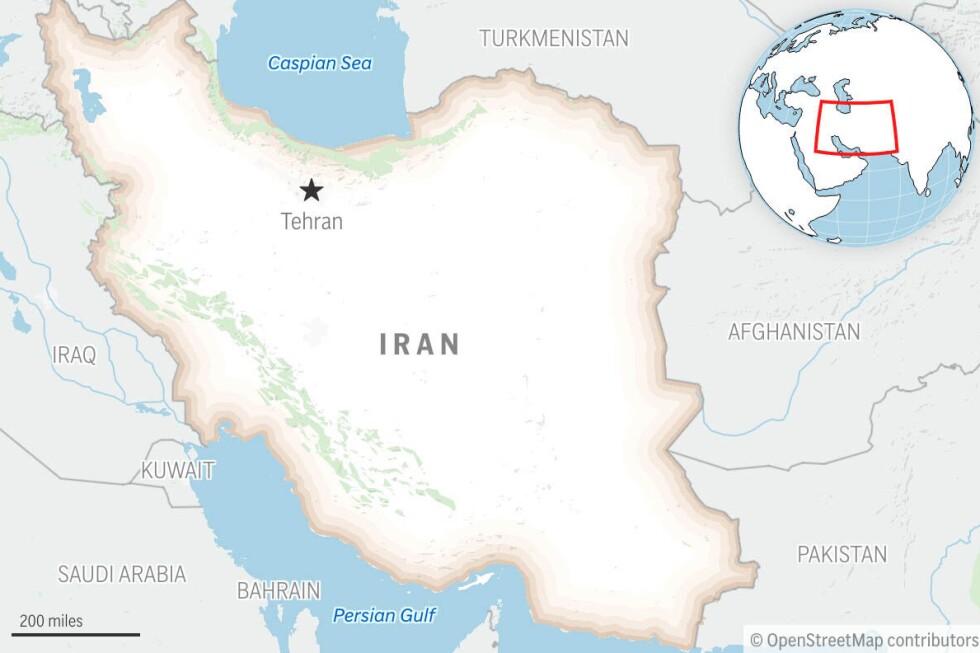
General Heidar Honarian Mojarrad, a Revolutionary Guard navy commander, stated that the tankers were carrying approximately 1 million liters (about 6,300 barrels) of fuel, including diesel. The vessels were captured near Farsi Island and subsequently transferred to Bushehr, a port city on Iran’s southern coast.
Fifteen crew members aboard the two tankers are now “in custody of judicial bodies,” according to Mojarrad. The nationalities of the detained crew members were not specified, adding to the uncertainty surrounding the incident.
This seizure represents the latest in a pattern of similar actions by Iranian forces in the region’s strategic waterways. In December, Iran captured a foreign tanker as it navigated through the Strait of Hormuz, detaining 16 crew members. Another vessel was seized in the same strait just one month earlier, in November.
The Strait of Hormuz represents one of the world’s most critical maritime chokepoints, with approximately 20% of global oil shipments passing through this narrow waterway between Iran and Oman. Any disruption in this passage can have immediate effects on global energy markets and shipping insurance rates.
The timing of Thursday’s seizures is particularly significant, occurring just one day before scheduled nuclear talks between the United States and Iran in Muscat, Oman. These highly anticipated negotiations come amid persistently strained relations between Washington and Tehran, further complicated by Iran’s recent harsh suppression of nationwide protests.
Tensions between Iran and Western nations have remained elevated since former U.S. President Donald Trump unilaterally withdrew from the 2015 nuclear agreement, officially known as the Joint Comprehensive Plan of Action (JCPOA). Following that withdrawal, the region witnessed a series of maritime incidents that Western nations attributed to Iran.
These incidents included limpet mine attacks that damaged multiple tankers in 2019, raising concerns about the security of commercial shipping in the region. In 2021, a drone attack on an Israeli-linked oil tanker killed two European crew members, further escalating regional tensions and prompting international condemnation.
Energy security analysts suggest that such seizures serve multiple purposes for the Iranian regime, combining practical enforcement of what Iran claims are smuggling violations with strategic signaling to international powers ahead of critical diplomatic engagements.
“These actions allow Iran to demonstrate its control over key waterways while also creating leverage before negotiations,” explained a Middle East security analyst who requested anonymity due to the sensitivity of the matter. “The timing before the Muscat talks is unlikely to be coincidental.”
The global oil market has thus far shown minimal reaction to this latest incident, with prices remaining relatively stable. However, shipping companies operating in the region may face increased insurance premiums and operational costs as they implement additional security measures.
Maritime security firms have advised vessels transiting the Persian Gulf to maintain vigilance, follow recommended shipping lanes, and ensure their Automatic Identification Systems remain operational to avoid misidentifications that could lead to similar incidents.
As the situation develops, international shipping organizations and the affected vessels’ home countries will likely seek clarification on the legal basis for the seizures and advocate for the prompt release of both the detained crew members and vessels, following established diplomatic protocols for maritime disputes.
Fact Checker
Verify the accuracy of this article using The Disinformation Commission analysis and real-time sources.

9 Comments
Iran’s capture of these oil tankers is a concerning move that could have far-reaching consequences. The free and secure passage of maritime traffic through the Strait of Hormuz is essential for global energy markets. This incident requires a measured and diplomatic response to avoid further destabilization in the region.
The capture of these oil tankers by Iran is a worrying development. Maintaining the free flow of maritime traffic through strategic chokepoints like the Strait of Hormuz is crucial for global energy security. This incident merits close monitoring and a measured response.
Interesting development in the Persian Gulf. Iran’s seizure of foreign oil tankers raises concerns about regional tensions and maritime security. It will be important to follow this story closely and understand the motivations and implications.
Indeed, the situation remains murky. Iran has a history of such actions, but the details here are still unclear. Diplomacy and de-escalation will be crucial to resolve this incident peacefully.
This is a concerning escalation in the Persian Gulf. Iran’s seizure of oil tankers could further disrupt global energy markets and raise the risk of military confrontation. Transparency and restraint from all parties will be essential.
You’re right, this has the potential to become a destabilizing event. Prudent diplomacy and conflict resolution mechanisms will be needed to defuse the tensions and prevent broader regional instability.
Iran’s seizure of foreign oil tankers is a concerning move that could further inflame regional tensions. The details and motivations behind this action are still unclear, but it highlights the fragility of the situation in the Persian Gulf. Restraint and diplomatic solutions will be essential to prevent escalation.
This is a troubling development in the Persian Gulf. Iran’s seizure of oil tankers could disrupt global energy markets and raise the risk of military confrontation. It will be critical for all parties to exercise caution and pursue diplomatic resolutions to this incident.
Agreed. De-escalation and open communication between Iran and the international community will be crucial to finding a peaceful solution and preventing further escalation of tensions in the region.