


Listen to the article
Iran Seeks Bilateral Nuclear Talks with US in Oman as Regional Tensions Rise
Iran has requested nuclear talks with the United States to be held in Oman on Friday, according to a source familiar with the discussions. Tehran is pushing to limit negotiations to a bilateral format, excluding other Arab and regional countries—a move that could complicate broader US diplomatic efforts in the Middle East.
The State Department has not yet publicly confirmed whether any talks are scheduled or what format they might take. However, White House Press Secretary Karoline Leavitt confirmed Tuesday that discussions are still on track, stating she had spoken with Special Envoy Steve Witkoff about the matter.
“These talks as of right now are still scheduled. President Trump is always wanting to pursue diplomacy first, but obviously it takes two to tango. You need a willing partner to achieve diplomacy,” Leavitt said.
According to a report by Reuters on Monday, Tehran is exploring renewed nuclear negotiations with the US, with Turkey also emerging as a potential venue. Regional mediators including Saudi Arabia and Qatar could play active roles in facilitating discussions.
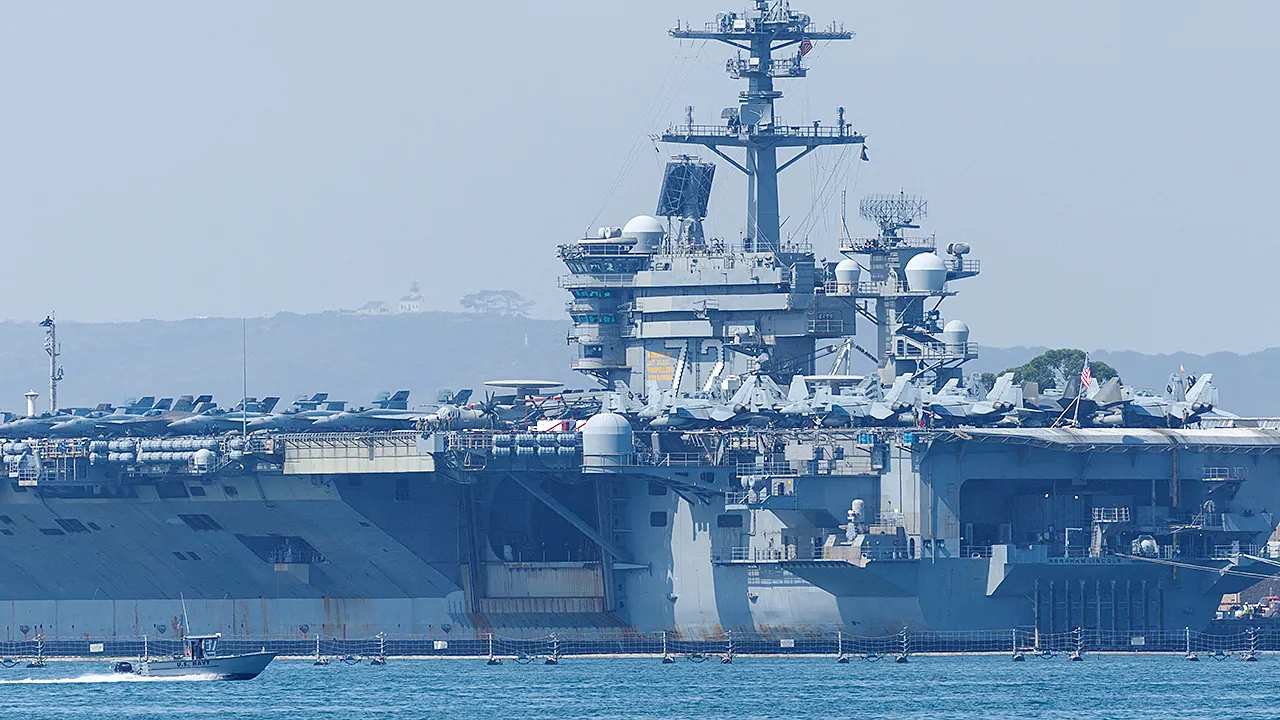
The diplomatic maneuvering comes as President Donald Trump weighs options for a possible military strike against Iran amid widespread domestic protests and violent government crackdowns within the country. Trump recently announced that a “massive Armada is heading to Iran,” led by the USS Abraham Lincoln aircraft carrier, significantly escalating the military pressure on Tehran.
Despite pursuing diplomatic channels, the White House emphasized that military options remain on the table. Leavitt referenced last year’s Operation Midnight Hammer, which she described as “wildly successful” in diminishing Iran’s nuclear capabilities.
“As commander in chief, I think they learned that quite well last year with the strike in Operation Midnight Hammer, which was wildly successful and obliterated their nuclear capabilities,” she noted.
Regional tensions have continued to escalate. On Tuesday, six Iranian gunboats unsuccessfully attempted to halt a US-flagged oil tanker in the strategically vital Strait of Hormuz, according to The Wall Street Journal. The security firm Vanguard Tech reported to its clients that Iranian vessels armed with .50-caliber guns ordered the tanker to turn off its engines and prepare for boarding. Instead, the tanker accelerated and was escorted to safety by a US Navy vessel.
In a separate incident the same day, the US military shot down an unmanned Iranian drone after it “aggressively approached a US Navy aircraft carrier with unclear intent,” according to a US Central Command spokesman. No American service members were injured, and no equipment was damaged during the encounter.
These maritime confrontations highlight the volatile security situation in the Persian Gulf region, where approximately one-fifth of global oil shipments pass through the narrow Strait of Hormuz daily.
The potential talks come at a critical juncture for both nations. For Iran, facing domestic unrest and economic pressure, diplomatic engagement could provide relief from sanctions. For the Trump administration, successful negotiations might avert military action while still addressing concerns about Iran’s nuclear program.
Regional experts note that Iran’s preference for bilateral talks without other regional stakeholders reflects Tehran’s desire to limit external influences on the negotiations. However, excluding key regional players could undermine broader stability efforts in the Middle East, particularly as Saudi Arabia and other Gulf nations have increasingly positioned themselves as important diplomatic intermediaries.
As Friday approaches, diplomatic channels remain active, with Special Envoy Witkoff continuing engagement efforts while the USS Abraham Lincoln carrier group maintains its presence in regional waters—a clear signal that diplomacy is being pursued with substantial military leverage in the background.
Fact Checker
Verify the accuracy of this article using The Disinformation Commission analysis and real-time sources.

8 Comments
Diplomacy is the best path forward, but it’s never easy when longstanding adversaries like Iran and the US are involved. I hope both sides can show some flexibility and pragmatism in these Oman talks.
Nuclear talks are always delicate, with so many complex geopolitical factors at play. I hope both sides can find a way to make progress, even if the negotiations are tense at times.
Yes, it’s a high-stakes situation that requires nuanced diplomacy. Iran may be trying to simplify the process, but the US will want to ensure broader regional interests are addressed.
Interesting development. Iran’s push for a bilateral format could make broader regional diplomacy more challenging. I’m curious to see if the US is open to this approach or if they’ll insist on a multilateral framework.
Agreed, a bilateral format may limit the scope for a comprehensive regional settlement. The US will likely want to bring in other key players like Saudi Arabia and Qatar.
Tensions between Iran and the US have been simmering for years. These talks in Oman could be a critical juncture – a chance to dial down the rhetoric and find common ground, if both sides are willing.
Uranium and nuclear energy are such sensitive topics. I’ll be following this story closely to see if Iran and the US can make any meaningful progress, even if the path forward remains uncertain.
Absolutely, the nuclear issue is a minefield. Keeping all regional players engaged will be crucial, even if it complicates the negotiation process.