


Listen to the article
Iran Rebuilding Nuclear Facilities Despite Ongoing U.S. Negotiations
Iran has accelerated efforts to rebuild nuclear sites damaged in previous U.S. military strikes while simultaneously engaging in diplomatic talks with the Trump administration, according to a prominent Iranian opposition figure.
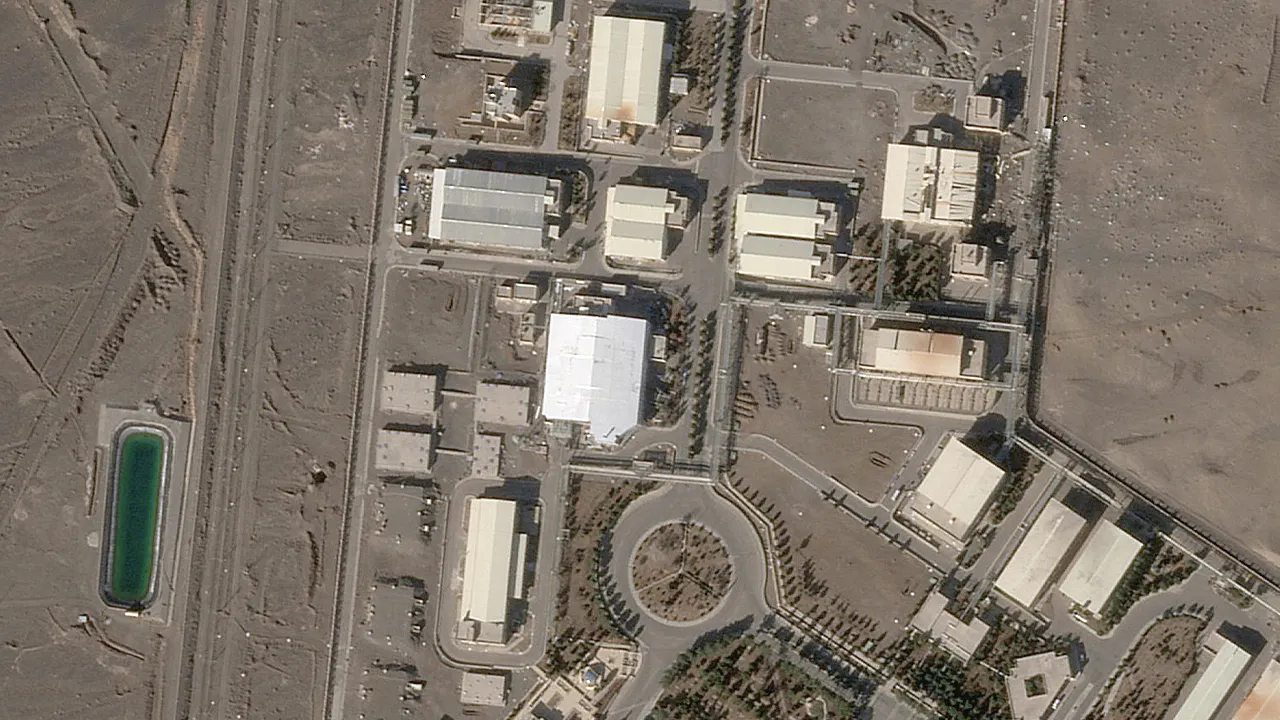
Satellite imagery recently released by Earth intelligence monitor Planet Labs shows reconstruction activity at the Isfahan nuclear complex, one of three uranium enrichment facilities targeted in the U.S. military operation “Midnight Hammer” on June 22. The coordinated Air Force and Navy strikes also hit the Fordow and Natanz facilities.
“The regime has clearly stepped up efforts to rebuild its uranium enrichment capabilities,” said Alireza Jafarzadeh, deputy director of the Washington office of the National Council of Resistance of Iran (NCRI). “It is preparing itself for a possible war by trying to preserve its nuclear weapons program and ensure its protection.”
The satellite images reveal that Iran has buried entrances to a tunnel complex at the Isfahan site, employing similar protective measures at the Natanz facility, which houses two additional enrichment plants. At Natanz, imagery from January shows a new roof has been constructed over a previously destroyed building.
“These efforts in Isfahan involve rebuilding its centrifuge program and other activities related to uranium enrichment,” Jafarzadeh explained. “Tehran is trying to salvage whatever has remained of its nuclear weapons program and quickly rebuild it.”
The reconstruction activities come at a sensitive moment as Iran participates in nuclear talks with the United States in Geneva. On Thursday, President Donald Trump issued a warning that “bad things” would happen if Iran failed to reach a deal. The negotiations aim to curb Iran’s nuclear program in exchange for sanctions relief.
However, Jafarzadeh argues that for the Iranian regime, these talks represent merely a tactical delay rather than a genuine commitment to nuclear disarmament.
“Supreme Leader Ali Khamenei agreed to the nuclear talks as it would give the regime crucial time to avoid or limit the consequences of confrontation with the West,” he said. “The insistence of the Iranian regime during the nuclear talks on maintaining its uranium enrichment capabilities, while rebuilding its damaged sites, is a clear indication that Supreme Leader Ali Khamenei has no plans to abandon its nuclear weapons program.”
Jafarzadeh, who gained international recognition for publicly revealing the existence of Iran’s Natanz nuclear site in 2002, claims the regime has invested approximately “$2 trillion” in its nuclear capabilities—”higher than the entire oil revenue generated since the regime came to power in Iran in 1979.”
That 2002 revelation led to inspections by the International Atomic Energy Agency and intensified global scrutiny of Tehran’s nuclear ambitions. According to Jafarzadeh, the NCRI, led by Maryam Rajavi, has exposed more than 100 nuclear sites and projects in Iran “despite a massive crackdown by the regime on this movement.”
The situation highlights the complex challenges facing U.S. diplomatic efforts in the region. While negotiations continue, Iran’s apparent determination to restore its nuclear infrastructure raises questions about the sincerity of its engagement in talks and complicates the path toward a sustainable agreement.
The conflict places significant pressure on both administrations—Iran seeking to maintain what it considers a strategic asset for regime survival, and the United States attempting to prevent nuclear proliferation in a region already marked by instability.
Regional experts suggest this dual-track approach by Iran—engaging in diplomacy while rebuilding nuclear capabilities—reflects its long-standing strategy of advancing nuclear ambitions while seeking relief from crippling international sanctions that have severely impacted its economy.
Fact Checker
Verify the accuracy of this article using The Disinformation Commission analysis and real-time sources.

10 Comments
This raises serious concerns about Iran’s intentions. Rebuilding nuclear sites while negotiating seems to undermine the diplomatic process. I hope the international community can work to find a peaceful resolution that addresses nuclear proliferation risks.
You’re right, the satellite imagery is quite troubling. Iran’s actions appear to contradict their public stance. Transparent and verifiable monitoring will be crucial to ensure compliance with any agreements.
Rebuilding nuclear sites while negotiating is a concerning development. It’s critical that Iran provides full transparency and cooperates with the international community to address proliferation risks. Diplomatic solutions require good-faith efforts from all sides.
Absolutely. Transparency and verification will be essential to build confidence and reach a sustainable agreement. Iran needs to demonstrate its commitment to the process through concrete actions, not just words.
It’s concerning to see Iran reportedly rebuilding facilities despite ongoing talks. Transparency and trust are essential for productive negotiations. I hope all sides can work constructively to find a diplomatic solution that enhances regional security.
Agreed, the optics here are not good. Iran will need to demonstrate clear and verifiable steps to reassure the international community about the nature of its nuclear program.
This report raises worrying questions about Iran’s nuclear intentions. Rebuilding facilities while talking with the US undermines the diplomatic process. I hope both sides can work constructively to find a solution that enhances regional stability and security.
This news seems to indicate Iran is hedging its bets by rebuilding nuclear capabilities even as negotiations continue. Maintaining trust and credibility is crucial for reaching a lasting agreement. I hope all parties approach these talks in good faith.
If true, Iran’s reported actions to rebuild nuclear sites are deeply concerning and appear to contradict their stated commitment to diplomacy. Transparency and verifiable steps will be crucial to build trust and find a lasting resolution to this complex issue.
You’re right, this development is very troubling. Iran will need to demonstrate genuine good faith through concrete actions if it hopes to reach a meaningful agreement with the international community.