


Listen to the article
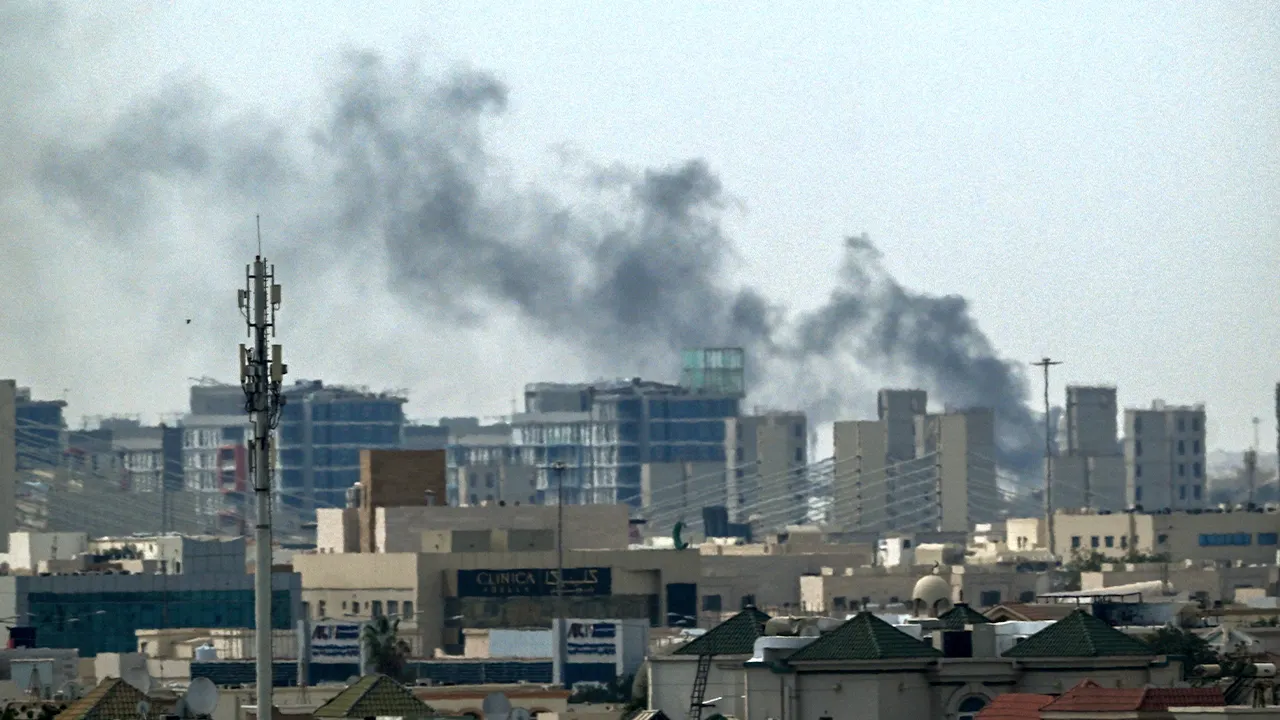
Iran launched a new wave of attacks across the Middle East on Thursday, targeting Israel, U.S. bases, and neighboring countries as tensions escalated following the U.S. sinking of an Iranian warship. Multiple explosions were reported throughout the region as Tehran threatened that the United States would “bitterly regret” its actions.
Israel announced incoming missile attacks as air raid sirens blared in Tel Aviv and Jerusalem, forcing civilians to seek shelter. The Israeli Defense Forces activated their missile defense systems, with footage showing multiple interceptions in the skies over central Israel.
Azerbaijan’s Ministry of Defense reported that Iran used unmanned aerial vehicles to attack Nakhchivan International Airport and other civilian infrastructure. In a strongly worded statement, Azerbaijan’s defense officials condemned the strikes on civilian targets “in the absence of any military necessity” and placed “the entire responsibility for the incident” on Iran. Tehran has not publicly acknowledged these specific attacks.
Qatar also confirmed it was “subjected to a missile attack” on Thursday, with its Ministry of Defense stating that the country’s air defense systems successfully intercepted incoming projectiles. Qatari authorities evacuated residents near the U.S. Embassy in Doha as a precautionary measure and urged the public to remain calm and avoid unofficial information sources.
In the United Arab Emirates, Abu Dhabi authorities reported responding to an incident involving falling debris in the Industrial City of Abu Dhabi. Six people, identified as Pakistani and Nepali nationals, suffered minor to moderate injuries in the incident.
The attacks mark a significant escalation in regional hostilities, coming just one day after the United States sank an Iranian warship in what U.S. officials described as a defensive action. The sinking resulted in at least 87 Iranian sailor deaths, according to reports. The Sri Lankan navy, which participated in rescue operations, stated that 32 people were rescued from the wreck and were hospitalized.
U.S. Secretary of War Pete Hegseth defended the military action during a Pentagon briefing, noting that “an American submarine sank an Iranian warship that thought it was safe in international waters.” Hegseth emphasized the historical significance of the attack, calling it “the first sinking of an enemy ship by a torpedo since World War II.”
Iranian leaders responded with harsh condemnation of the U.S. action. Foreign Minister Abbas Araghchi characterized the attack as “an atrocity at sea,” while Ayatollah Abdollah Javadi Amoli made a rare and explicit call for violence against Israel and former President Trump during a state television appearance.
The current conflict began on Saturday when the U.S. and Israel launched coordinated strikes targeting Iran’s leadership, including Supreme Leader Ayatollah Ali Khamenei, who was killed in the attacks. The operation also targeted Iran’s missile arsenal and nuclear facilities in what has been described as Operation Epic Fury.
The rapidly expanding conflict threatens to engulf multiple countries across the Middle East, raising concerns about a wider regional war. The targeting of civilian infrastructure in Azerbaijan, Qatar, and the UAE represents a significant expansion of Iran’s military response beyond Israel and U.S. military assets.
International observers fear that the tit-for-tat escalation between Iran, Israel, and the United States could trigger a more catastrophic confrontation with unpredictable consequences for regional stability, global oil markets, and international security.
As air defense systems across the region remain on high alert, civilian populations in multiple countries now find themselves caught in the crossfire of a rapidly escalating conflict that shows no signs of de-escalation.
Fact Checker
Verify the accuracy of this article using The Disinformation Commission analysis and real-time sources.

11 Comments
These attacks highlight the fragile security situation in the region. I’m curious to learn more about the geopolitical factors driving Iran’s actions and the international community’s response. Transparency and de-escalation should be the top priorities.
Absolutely. It’s critical that all parties involved exercise restraint and focus on diplomacy to resolve this conflict peacefully. Escalation will only lead to more suffering for the people of the region.
The use of missiles and drones against civilian targets is deeply troubling. While the details are still emerging, I hope the relevant authorities can investigate these incidents thoroughly and hold the perpetrators accountable. Protecting innocent lives should be the top priority.
The reports of missile and drone attacks on neighboring states are deeply concerning. While the details are still unfolding, I hope the relevant authorities can work to de-escalate the situation and find a diplomatic solution to these tensions.
Attacks on civilian infrastructure are unacceptable, regardless of the circumstances. I’m curious to learn more about the international community’s response and whether diplomatic efforts can be made to de-escalate the situation and prevent further violence.
Agreed. Diplomatic solutions must be the focus to find a peaceful resolution to this conflict and prevent further escalation. The safety and security of all civilians in the region should be the top concern.
These attacks on civilian infrastructure are unacceptable and raise serious questions about the stability of the region. I’m curious to learn more about the international community’s response and whether there are any diplomatic avenues being explored to resolve this conflict peacefully.
Absolutely. Protecting innocent lives should be the top priority, and all parties involved must exercise restraint and focus on finding a diplomatic solution to this complex situation.
The escalating tensions in the Middle East are deeply concerning. While armed conflicts have no easy solutions, I hope regional leaders can find diplomatic paths to de-escalate the situation and avoid further civilian casualties.
Agreed. The use of missiles and drones against civilian infrastructure is never acceptable and only serves to inflame regional tensions further. A negotiated settlement must be the priority.
While the details of these incidents are still emerging, the use of missiles and drones against civilian targets is deeply concerning. I hope the relevant authorities can investigate thoroughly and work to de-escalate the situation through diplomatic channels to prevent further violence and loss of life.