


Listen to the article
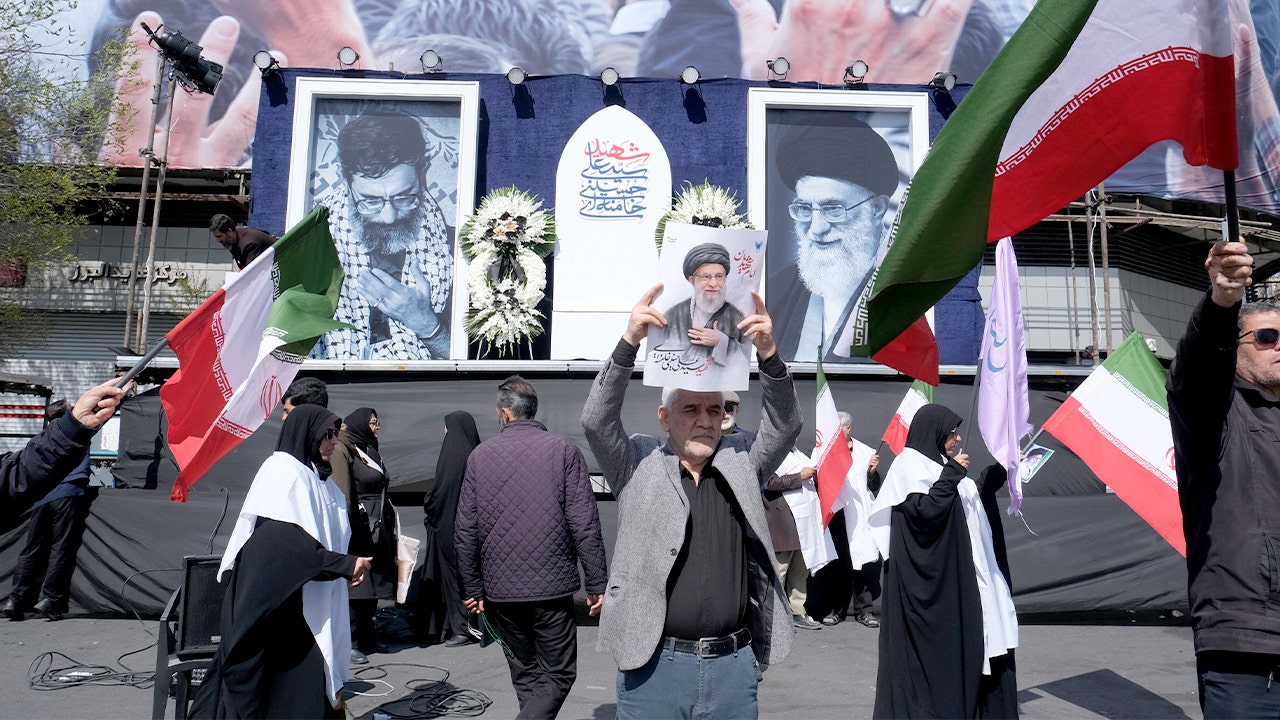
Iran has postponed a planned three-day farewell ceremony for Ayatollah Ali Khamenei, the late supreme leader who died Saturday in U.S.-Israeli strikes during Operation Epic Fury, according to Iranian state media.
The ceremony, originally scheduled to begin Wednesday evening at the Imam Khomeini Prayer Hall in Tehran, was expected to draw massive crowds of mourners. Hojjatoleslam Seyed Mohsen Mahmoudi, who heads the Islamic Propaganda Coordination Council of Tehran Province, cited logistical concerns as the reason for the delay.
“It was decided to hold the ceremony at a more appropriate time,” Mahmoudi explained, pointing to “widespread requests to participate” and the need to provide adequate facilities for the anticipated crowds. No specific date for the rescheduled ceremony was announced.
The postponement comes at a sensitive moment for Iran’s leadership, which now faces a critical succession process that will determine the country’s political direction amid heightened regional tensions. The Assembly of Experts, a clerical body of 88 members, is responsible for selecting the next supreme leader, though the Islamic Revolutionary Guard Corps (IRGC) is expected to wield significant influence in this decision.
“The IRGC is a key stakeholder in this process, and will heavily influence its outcome,” said Jason Brodsky, policy director at United Against Nuclear Iran, in comments to Fox News Digital.
The ceremony for Khamenei would likely have drawn comparisons to the funeral of Ayatollah Ruhollah Khomeini, the founder of the Islamic Republic, whose 1989 funeral attracted an estimated 10.2 million people—approximately one-sixth of Iran’s population at the time. According to Guinness World Records, it remains the largest funeral attendance as a percentage of a national population ever recorded.
Meanwhile, Israeli Defense Minister Israel Katz issued a stern warning to Iran’s future leadership, stating that any successor who attempts to “destroy Israel, to threaten the United States and the free world and the countries of the region, and to suppress the Iranian people” would become an “unequivocal target for elimination.”
“It does not matter what his name is or the place where he hides,” Katz added in a post on social media platform X.
Khamenei’s death marks a significant turning point for Iran’s theocratic system, which has maintained strict control over the country since the 1979 Islamic Revolution. As supreme leader since 1989, Khamenei wielded ultimate authority over all state matters, including foreign policy, the judiciary, and the military.
The timing of the postponement raises questions about potential security concerns or internal disagreements within Iran’s power structure. The country now finds itself navigating a precarious leadership transition while managing escalating military confrontations with Israel and the United States.
Regional analysts are closely monitoring how this succession process will impact Iran’s approach to its nuclear program, support for proxy groups across the Middle East, and relations with Western powers. The IRGC, which controls significant economic resources and military assets, is positioned to play a decisive role in shaping Iran’s future leadership and policy direction.
The delay in Khamenei’s funeral ceremonies also comes amid growing internal dissatisfaction among many Iranians who have faced economic hardship under international sanctions and government mismanagement. Recent years have seen waves of protests challenging the regime’s authority, raising the stakes for a smooth leadership transition that maintains the system’s stability.
As the succession process unfolds, neighboring countries and global powers will be watching carefully to determine how a new supreme leader might influence Iran’s regional policies and nuclear ambitions in an increasingly volatile Middle East.
Fact Checker
Verify the accuracy of this article using The Disinformation Commission analysis and real-time sources.

5 Comments
The postponement of Khamenei’s funeral in Tehran is an interesting development. It shows the Iranian leadership is being prudent in managing this sensitive transition of power amid the high-profile nature of the event.
Iran’s decision to delay Khamenei’s farewell ceremony due to logistical concerns around the anticipated crowds underscores the complexity of this leadership transition. The country’s future direction will be closely watched.
The postponement of Khamenei’s farewell ceremony in Tehran highlights the challenges Iran faces with this critical leadership change. Maintaining stability will be crucial for the country amid heightened regional tensions.
This delay in Khamenei’s funeral ceremony suggests the Iranian leadership is being cautious about managing the crowds and the succession process. It will be important to see how they navigate this sensitive transition of power.
Interesting development in Iran. The funeral ceremony for Khamenei seems to be a logistical challenge given the anticipated massive crowds. The leadership must carefully manage this sensitive transition of power.