


Listen to the article
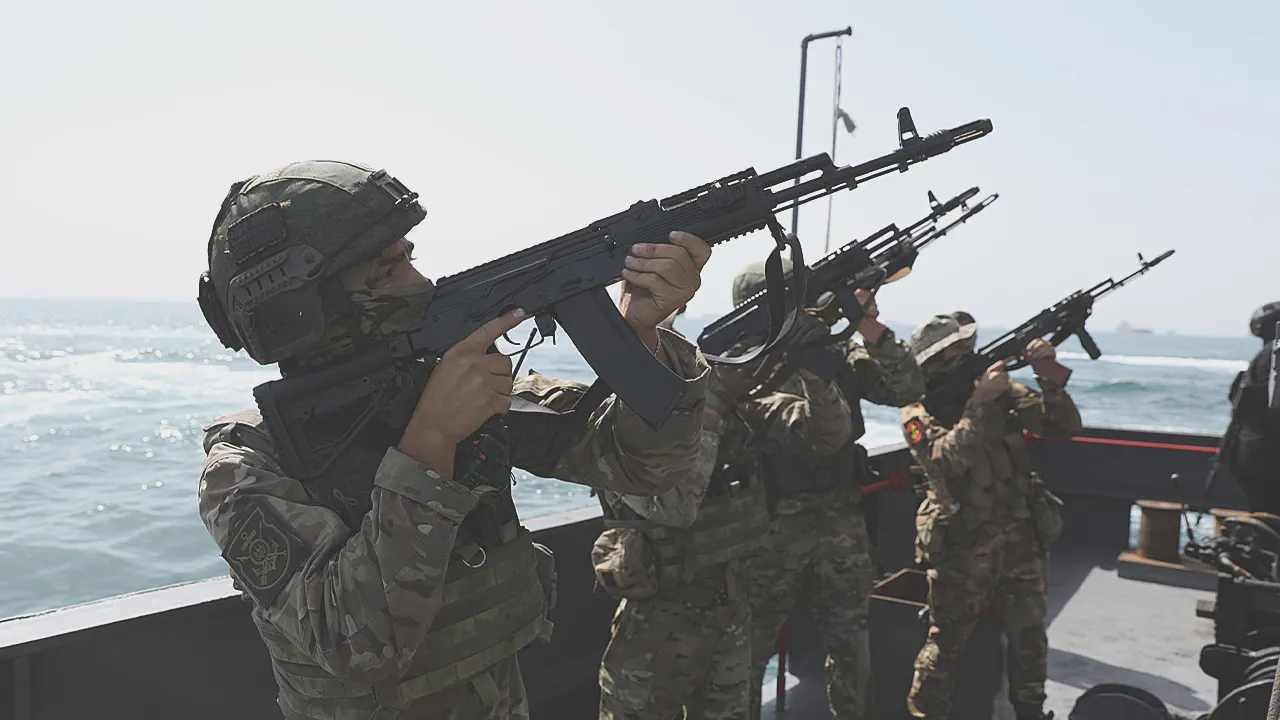
Iran has repositioned strike drones and other military assets under the cover of joint military exercises with Russia in the Strait of Hormuz, according to defense experts monitoring the situation. This development comes amid rising tensions with the United States and ongoing nuclear negotiations.
Cameron Chell, an analyst with defense firm Draganfly, described the move as a “calculated escalation” in the region. “The Russian drills would cover for the Iranian forces to move their drones into strike position,” Chell told Fox News Digital. “They’ve gone under the veil of doing the military exercises, which happened to be along the coastline, and this is an escalation.”
The joint naval drills, confirmed by multiple sources including the Associated Press, coincide with President Donald Trump’s increased pressure on Iran to abandon its nuclear ambitions following indirect talks in Geneva. Trump’s stance was clear when speaking to reporters aboard Air Force One on Thursday: “We’re going to make a deal, or we’re going to get a deal one way or the other,” signaling his determination to secure an agreement.
The strategic significance of the Strait of Hormuz cannot be overstated. As one of the world’s most critical maritime chokepoints, approximately 20% of global oil shipments pass through this narrow waterway between Iran and Oman. Any military escalation in this region could have profound implications for global energy markets and international shipping.
U.S. military presence in the region has also intensified. On February 18, U.S. Central Command released photographs showing F/A-18 Super Hornets landing on the USS Abraham Lincoln in the Arabian Sea. Flight-tracking data from recent days has revealed U.S. Navy MQ-4C Triton surveillance drones operating near Iran’s coastline, with one observed on February 14 and another on February 18.
“The U.S. deployed an MQ Triton drone, which is a surveillance drone, so it does not have strike capability, and it typically flies at around 50,000 feet,” Chell explained. He added that these drones would likely launch from land bases in countries such as Saudi Arabia or Qatar, providing real-time situational awareness to naval commanders.
More concerning for Iranian officials is the reported presence of MQ-9 Reaper drones, which possess precision strike capabilities. “This has strike capability, but Iranians do not have great capability to take these down,” Chell noted. The Reaper drones typically operate at altitudes between 25,000 and 40,000 feet.
The USS Gerald R. Ford, the world’s largest aircraft carrier, is currently heading across the Atlantic Ocean into the Mediterranean Sea with its accompanying strike group. This marks the second aircraft carrier Trump has deployed to the Middle East during this period of heightened tensions.
The situation has prompted NATO member Poland to issue a stark warning to its citizens, advising them to immediately evacuate Iran. Poland’s prime minister emphasized the gravity of the situation, stating that the “possibility of a conflict is very real.”
Regional experts note that this military positioning comes during a particularly delicate diplomatic moment. The Biden administration has been attempting to navigate a complex path forward with Iran following the collapse of the 2015 nuclear deal when the U.S. withdrew under the previous Trump administration.
The strategic waterway has been the site of multiple confrontations between Iranian and Western naval forces in recent years. Analysts suggest that the current positioning of forces indicates both sides are preparing for potential escalation while simultaneously engaging in diplomatic negotiations – a high-stakes approach that increases the risk of miscalculation.
Fact Checker
Verify the accuracy of this article using The Disinformation Commission analysis and real-time sources.

13 Comments
The strategic significance of the Strait of Hormuz means that any military activity there must be closely monitored. Iran’s reported repositioning of strike drones is a concerning tactic that could heighten the risk of miscalculation or unintended escalation.
This report raises serious questions about Iran’s intentions. Covertly repositioning drones during joint exercises with Russia is a concerning tactic. I hope the parties involved can find a diplomatic solution to ease tensions in the region.
Agreed. Diplomatic efforts to de-escalate the situation should be a priority. The last thing the world needs is another conflict in the Middle East.
The Strait of Hormuz is a critical chokepoint for global energy supplies, so any military maneuvering there is bound to raise alarms. Iran’s reported actions seem aimed at gaining leverage, but that could backfire if it provokes a strong response from the international community.
This report highlights the complex and delicate nature of the situation in the Strait of Hormuz. Iran’s reported military maneuvering during the Russian drills is a concerning development that could have serious implications for regional and global stability.
This development is concerning. Iran repositioning military assets under the cover of joint drills with Russia in the Strait of Hormuz could escalate tensions in the region. We’ll have to keep a close eye on how this plays out.
Iran’s actions seem designed to increase its bargaining power, but that’s a dangerous game to play in such a strategically vital waterway. I hope the parties involved can find a way to reduce tensions through dialogue and compromise.
This is a worrying development that underscores the fragility of the situation in the Strait of Hormuz. Iran’s reported covert military moves during the Russian drills suggest a willingness to escalate tensions, which is deeply concerning.
The Strait of Hormuz is a strategically vital chokepoint, so any military maneuvering there is bound to raise alarms. It’s a complex geopolitical situation that bears close monitoring by defense experts and policymakers.
Absolutely. The stakes are high, given the importance of the Strait to global energy supplies. Iran’s actions seem calculated to increase its leverage, but that could backfire if it provokes a strong response.
This is a delicate situation that requires a careful, measured response. Iran’s reported military maneuvering is worrying, but any overreaction could make the situation worse. Diplomacy and de-escalation should be the priorities going forward.
This report highlights the complex and high-stakes nature of the situation in the Strait of Hormuz. Iran’s reported military repositioning is a concerning development that could have far-reaching consequences if not handled properly.
The Strait of Hormuz is a geopolitical flashpoint, and Iran’s reported actions only add to the volatility. I hope cooler heads can prevail and that all sides work to reduce the risk of miscalculation or unintended escalation.