


Listen to the article
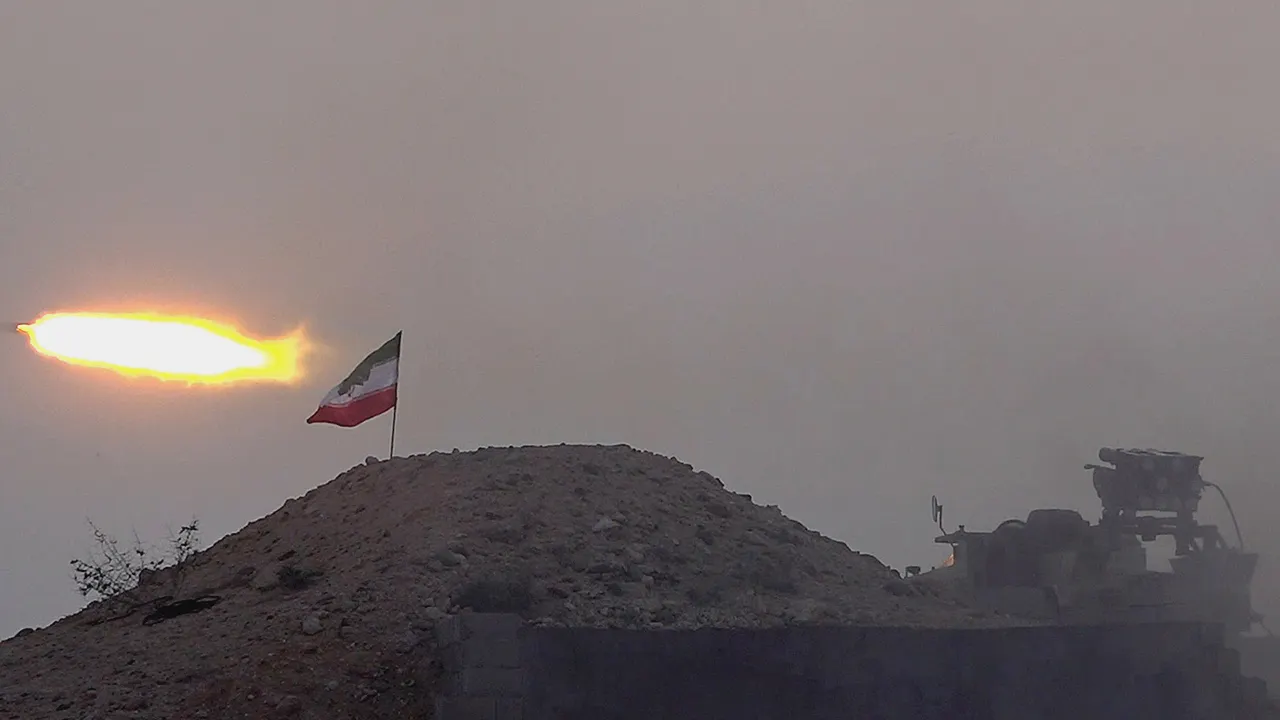
Iran launched live-fire naval exercises in the Strait of Hormuz on Monday, testing military readiness in the strategic waterway amid rising tensions with the United States and ongoing nuclear negotiations.
The drill, dubbed “Smart Control of the Strait of Hormuz,” was conducted by the naval forces of the Islamic Revolutionary Guard Corps (IRGC) under the supervision of IRGC Commander in Chief Major General Mohammad Pakpour, according to state media reports.
Iranian officials described the exercises as an assessment of operational readiness and a review of security plans for responding to potential military threats in the region. The timing is particularly significant, as the drills occurred just hours before renewed diplomatic efforts between the U.S. and Iran began in Geneva, aimed at reviving negotiations over Iran’s nuclear program.
“I am in Geneva with real ideas to achieve a fair and equitable deal,” Iranian Foreign Minister Abbas Araghchi wrote on social media platform X on Monday, adding, “What is not on the table: submission before threats.”
The diplomatic context has grown increasingly complex in recent weeks. President Donald Trump has ordered a significant buildup of U.S. military forces in the Middle East and has explicitly threatened to strike Iran if its leadership fails to agree to terms regarding its nuclear program. On Friday, Trump went further by endorsing regime change in Tehran, describing it as “the best thing that could happen” for Iran.
The Strait of Hormuz represents one of the world’s most critical maritime chokepoints, with approximately 20% of global oil shipments passing through the narrow waterway. Any military conflict in this area could severely disrupt global energy supplies and send shockwaves through international markets.
U.S. Central Command (CENTCOM) responded to Iran’s exercises by showcasing American military presence in the region. In a social media post, CENTCOM shared images of EA-18G Growlers from Electronic Attack Squadron 133 and F-35C Lightning IIs from Marine Fighter Attack Squadron 314 preparing for launch from the USS Abraham Lincoln aircraft carrier.
“Operating in international waters in the Middle East, the aircraft carrier conducts around-the-clock flight operations in support of regional security,” the post stated.
The Pentagon has been steadily building what Trump has characterized as an “armada” in the region. The USS Abraham Lincoln is currently deployed with three accompanying warships equipped with Tomahawk missiles, forming the centerpiece of a broader U.S. naval buildup in the vicinity.
The current round of nuclear talks represents the second attempt at negotiations following a previous session in Muscat on February 6. Earlier diplomatic efforts collapsed after Israel conducted an unprecedented bombing campaign against Iran in June, which triggered a 12-day war and escalated tensions throughout the Middle East.
Iranian officials have indicated that the second round of talks would continue on Tuesday “with the mediation and good offices of Oman,” which has historically served as an intermediary between Iran and Western powers.
Despite these renewed diplomatic efforts, skepticism remains high. U.S. Ambassador to Israel Mike Huckabee expressed doubts about the prospects for a successful agreement, saying on Monday that there was “significant and legitimate doubt that the Iranians will ever agree to something that would cause them to lay down any ambitions of nuclear weaponry.”
The situation represents a delicate balancing act for both nations. Iran continues to project military strength while simultaneously engaging in diplomatic channels, while the United States applies pressure through military positioning and explicit threats while pursuing negotiations.
Analysts note that the outcome of these talks could have far-reaching implications for regional stability, global energy markets, and the broader geopolitical landscape of the Middle East in the coming years.
Fact Checker
Verify the accuracy of this article using The Disinformation Commission analysis and real-time sources.

10 Comments
The Strait of Hormuz is such a strategically crucial waterway. It’s understandable why Iran would want to demonstrate their defensive capabilities there, especially with a US carrier group nearby.
Absolutely, control over the Strait is a major point of leverage. Iran can’t afford to appear weak in the face of US military posturing.
Interesting timing for Iran’s military exercises in the Strait of Hormuz. Seems like a way to flex their muscle ahead of the Geneva talks and show they won’t be pushed around by threats.
Agreed, the geopolitics around these negotiations are getting quite tense. Both sides will likely need to find a delicate balance of assertiveness and compromise.
As an investor, I’ll be closely watching how this geopolitical dynamic evolves. Tensions in the Strait could have big implications for energy markets and commodity prices.
Definitely, any disruption to oil shipments through the Strait would send shockwaves through global energy and financial markets. Prudent risk management is crucial.
It’s a risky game of brinkmanship between the US and Iran. Both sides will need to tread carefully to avoid miscalculation and accidental conflict in the Strait.
Well said. Cooler heads must prevail, as the stakes are incredibly high for the regional and global economy. Diplomacy is the only sensible path forward.
I wonder how these military exercises will impact the mood at the Geneva talks. Will they help or hinder the prospects for a negotiated solution on the nuclear program?
That’s a good question. A lot may depend on the tone and messaging from both sides. Careful diplomacy will be needed to avoid further escalation.