


Listen to the article
Iranian Cleric Calls for Death Penalty Against Protesters as Unrest Continues
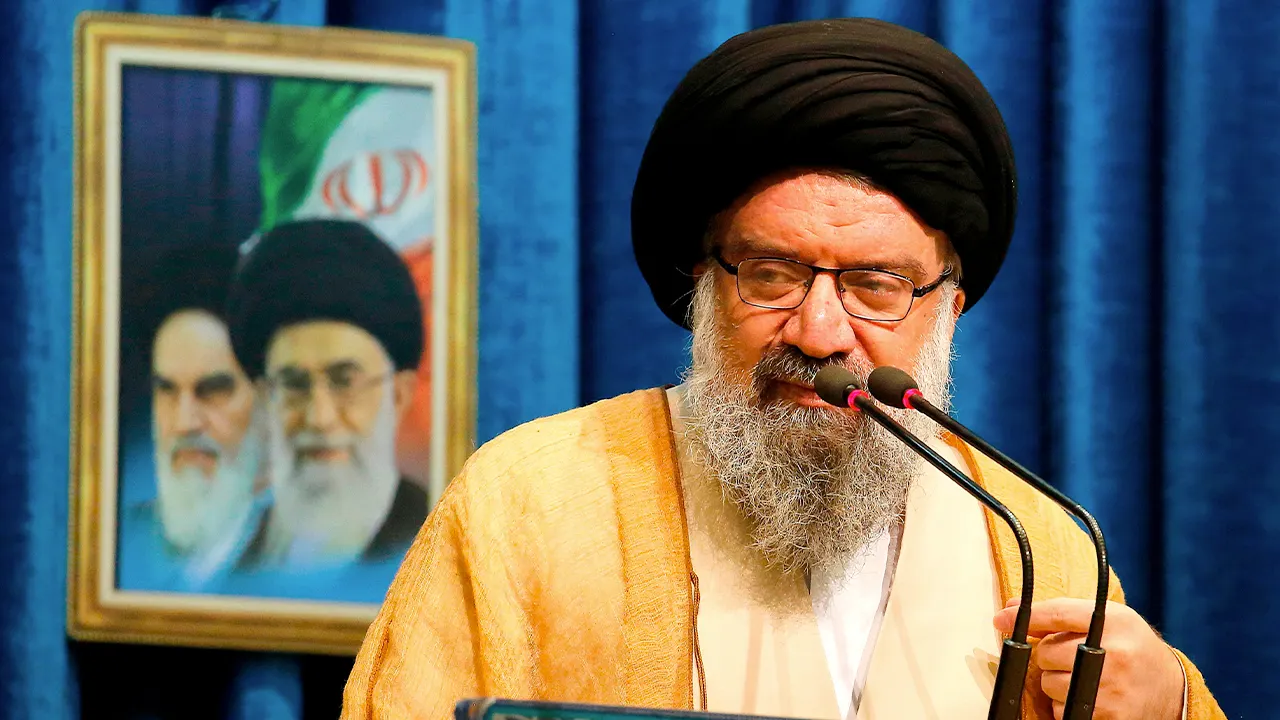
An Iranian cleric has called for the execution of protesters detained during the nationwide demonstrations that have rocked the Islamic Republic since late December. The statement comes amid escalating tensions between the Iranian regime and the United States, with President Donald Trump threatening intervention if protesters face violent crackdowns.
Ayatollah Ahmad Khatami, a senior cleric appointed by Supreme Leader Ali Khamenei, made the inflammatory remarks during a sermon broadcast on Iranian state radio. His speech reportedly prompted chants from the gathered crowd, including “Armed hypocrites should be put to death!”
The sermon marks the first time an Iranian official has provided comprehensive statistics about the damage caused by the protests, offering rare insight into the scale of the unrest. This information is particularly significant given the regime’s implementation of a nationwide internet blackout on January 8, which has severely limited the flow of information from the country.
According to Khatami, protesters have damaged 350 mosques, 126 prayer halls, and 20 other religious sites across Iran. He claimed that 400 hospitals, 106 ambulances, 71 fire department vehicles, and 50 other emergency vehicles were also targeted. Additionally, 80 homes belonging to Friday prayer leaders reportedly sustained damage—a detail analysts suggest could indicate protesters are specifically targeting symbols of the theocratic government, as these religious leaders hold significant influence in Iran’s power structure.
“They want you to withdraw from religion,” Khatami declared during his sermon. “They planned these crimes from a long time ago.”
This is not the first time Khatami has condemned the protesters. He previously described demonstrators as “butlers” of Israeli Prime Minister Benjamin Netanyahu and “Trump’s soldiers,” echoing similar rhetoric from Supreme Leader Khamenei, who accused protesters of “ruining their own streets to make the president of another country happy.”
The ongoing protests represent one of the most significant challenges to the Iranian regime in recent years. What began as demonstrations against economic hardship has evolved into broader anti-government protests calling for systemic change. The movement has gained international attention, particularly from the United States, where President Trump has repeatedly expressed support for the demonstrators.
Trump stated early in the crisis that the U.S. was “locked and loaded” and prepared to intervene if the regime employed violence against protesters. His administration’s approach toward Iran has been marked by increasing pressure, raising questions about potential U.S. action following previous interventions in the region, including the bombing of Iranian nuclear sites in 2025 and the capture of Venezuelan dictator Nicolás Maduro.
The White House and State Department have not yet commented on Khatami’s latest remarks, leaving questions about how the U.S. might respond to escalating threats against Iranian protesters.
The international community continues to monitor the situation closely, with human rights organizations expressing concern about the potential for mass executions and increased violence against demonstrators. The Iranian regime’s crackdown has already resulted in numerous arrests, with detained protesters now facing the possibility of capital punishment if hardliners like Khatami have their way.
As protests continue despite the government’s attempts to suppress them, the conflict between the Iranian people and their leadership appears far from resolution, with implications that extend well beyond Iran’s borders into the complex geopolitics of the Middle East.
Fact Checker
Verify the accuracy of this article using The Disinformation Commission analysis and real-time sources.

5 Comments
This cleric’s call for executions is a disturbing escalation. While the protesters’ actions are concerning, responding with state-sanctioned killings is an unacceptable violation of human rights. The international community must continue applying pressure on Iran to respect the rights of its citizens.
This is a concerning development. Calls for executions of protesters show the regime’s desperation to cling to power, even through brutal crackdowns. The international community must condemn these threats and continue to support the Iranian people’s right to peaceful protest.
I agree, the regime’s response is extremely troubling. Violently suppressing dissent will only breed more unrest and undermine Iran’s standing globally.
The regime’s rhetoric is alarming, but not surprising given the scale of the protests. Protesters appear to have caused significant damage to religious sites, though the true extent is hard to verify with the internet blackout. A measured response focused on de-escalation would be preferable to further violence.
You raise a fair point. Reliable information is difficult to come by, so it’s important to avoid making assumptions. Transparency and restraint should be the priority on all sides.