


Listen to the article
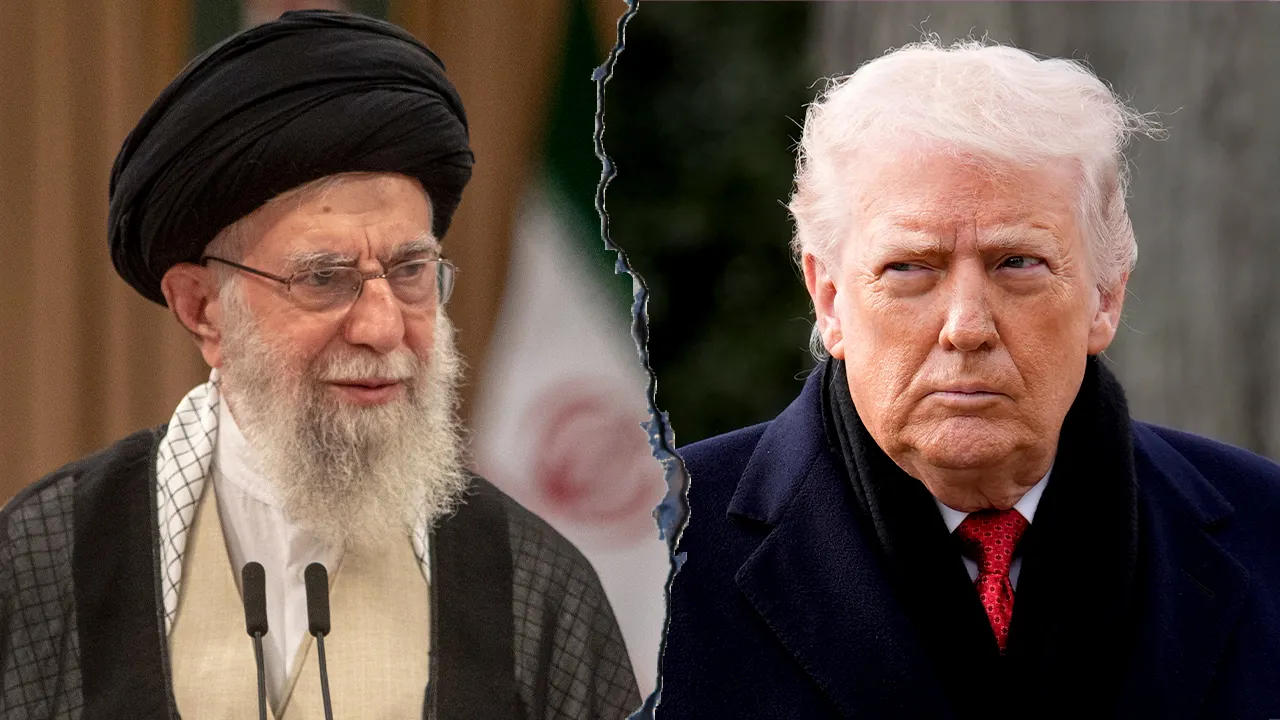
President Trump indicated in a recent interview that Iran appears ready to negotiate with the United States amid escalating tensions and an increasing U.S. military presence in the Middle East.
Speaking to Axios, Trump claimed that Iranian officials have reached out “on numerous occasions” expressing their desire to make a deal. “They want to make a deal. I know so. They called on numerous occasions. They want to talk,” the president stated.
According to U.S. officials cited in the report, any potential agreement would require significant concessions from Tehran. These would include the removal of all enriched uranium, caps on long-range missile stockpiles, changes in support for regional proxy forces, and an end to independent uranium enrichment. Iranian leaders have not yet agreed to these terms.
The president described the situation with Iran as “in flux” and pointed to the substantial U.S. naval deployment near Iran, which he characterized as “a big armada next to Iran. Bigger than Venezuela.”
This naval buildup includes the USS Abraham Lincoln aircraft carrier, which entered CENTCOM waters in the Indian Ocean on Monday. The deployment comes as part of a broader military response to increasing threats from Iran. On January 21, Trump told reporters, “We have a big flotilla going in that direction, and we’ll see what happens. We have a big force going towards Iran. I’d rather not see anything happen, but we’re watching them very closely.”
The military posturing occurs against a backdrop of significant domestic unrest in Iran. Widespread protests began on December 28 and have reportedly resulted in thousands of casualties. According to the Human Rights Activists News Agency (HRANA), the confirmed death toll from these protests has reached 5,848, with an additional 17,091 deaths still under investigation.
The scale of the protests has apparently forced Supreme Leader Ayatollah Ali Khamenei to take refuge in a fortified underground facility, according to reports from Iran International.
The protests represent one of the most significant challenges to the Iranian regime in recent years and have drawn international attention to the country’s human rights situation. The demonstrations began with economic grievances but quickly evolved into broader anti-government protests demanding fundamental political changes.
The U.S. military buildup in the region serves multiple purposes: it signals American resolve to Iran, provides protection for regional allies, and positions forces should tensions escalate further. The presence of an aircraft carrier strike group significantly enhances U.S. capabilities in the region, providing air power, missile defense, and intelligence gathering.
While Trump suggested that diplomatic channels remain open, Axios reported that White House officials maintain that military action is still being considered. The president is expected to hold further consultations this week to determine the appropriate course of action.
Regional analysts note that this combination of military pressure and diplomatic openness reflects the administration’s “maximum pressure” strategy toward Iran, which aims to force concessions through economic sanctions and military deterrence while keeping diplomatic options available.
The situation remains highly volatile, with significant implications for regional stability, oil markets, and international relations. The White House has not yet provided additional comments on Trump’s statements or potential next steps in the ongoing confrontation.
Fact Checker
Verify the accuracy of this article using The Disinformation Commission analysis and real-time sources.

9 Comments
As an observer, it’s difficult to predict how this standoff will play out. Both the US and Iran seem determined to assert their interests, which raises the risk of miscalculation and further conflict.
The situation with Iran is certainly complex, with high stakes for both sides. I hope that the leaders involved can find a way to de-escalate tensions and reach an agreement that addresses the key issues.
Interesting to see the escalating tensions between the US and Iran. It’s clear that both sides want to negotiate, but the terms seem to be a major sticking point. This is a delicate situation that requires careful diplomacy on all sides.
The deployment of a large US naval force near Iran is certainly a show of force, but I hope that the ultimate goal is to facilitate constructive negotiations rather than escalate the conflict.
This situation is a reminder of the delicate balance of power in the Middle East. The US and Iran have a long history of tension, and finding a resolution that satisfies both parties will be a major challenge.
The presence of a large US naval force in the region adds an element of military pressure to the negotiations. However, I hope that diplomacy can prevail and the two sides can find a mutually acceptable solution.
Uranium enrichment, missile stockpiles, and support for regional proxies – these are complex and sensitive topics that will require substantial concessions from Iran. It remains to be seen if they are willing to make the necessary compromises to reach a deal.
The US military buildup in the Middle East is certainly concerning. I hope cooler heads can prevail and the two countries can reach an agreement that addresses the key issues without further escalation of the conflict.
This is a delicate situation that requires a nuanced approach. Both the US and Iran have legitimate concerns, and finding a mutually acceptable compromise will be a significant challenge.