


Listen to the article
In a significant admission, Iranian state television acknowledged Tuesday that the Islamic Republic has lost “a lot of martyrs” during ongoing anti-government protests that have rocked the country in recent weeks, highlighting the escalating human toll of the unrest.
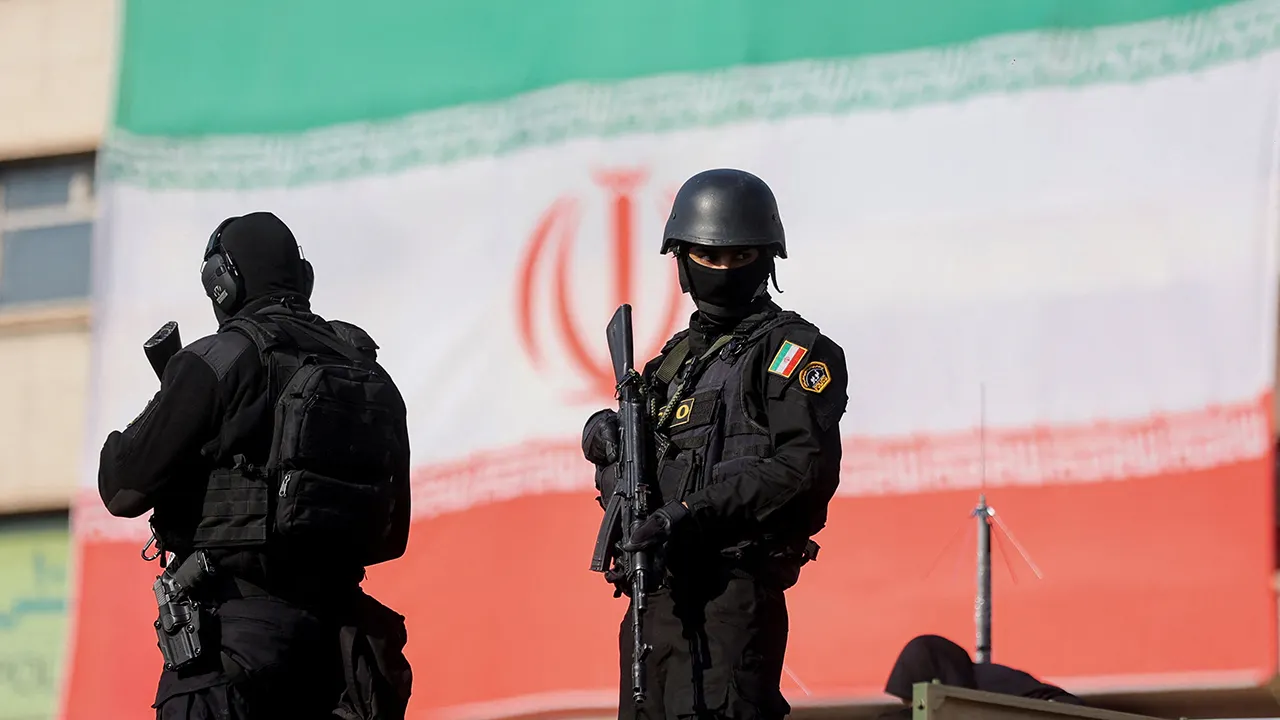
The unprecedented acknowledgment comes amid reports from human rights groups that place the death toll at alarming levels. According to the U.S.-based Human Rights Activists News Agency, approximately 2,000 people have died in the demonstrations, with 1,847 being protesters and 135 members of Iran’s security forces. Other sources suggest the actual death toll may exceed 3,000, with many cases likely unreported.
A news anchor on Iranian state TV read a statement attributing the deaths to “armed and terrorist groups” that led the country “to present a lot of martyrs to God,” according to The Associated Press. The regime announced plans to hold a funeral Wednesday for what they termed “martyrs and security defenders” who died during the protests.
The demonstrations began in late December, initially triggered by economic grievances among shopkeepers and merchants in bazaars who were protesting accelerating inflation and the collapse of Iran’s currency, the rial. The movement rapidly expanded to universities and provincial cities, with young Iranians increasingly clashing with security forces in violent confrontations.
Iran’s government has employed increasingly harsh measures to suppress the demonstrations, prompting international concern over human rights violations. UN High Commissioner for Human Rights Volker Türk issued a statement Tuesday condemning the violence, saying: “The killing of peaceful demonstrators must stop, and the labelling of protesters as ‘terrorists’ to justify violence against them is unacceptable.”
The deteriorating situation has prompted the U.S. Virtual Embassy Iran to issue an urgent warning to American citizens still in the country to depart immediately, signaling growing concerns about potential escalation.
President Donald Trump has taken a strong position on the protests, canceling all scheduled meetings with Iranian officials until the crackdown ends. In a message posted on Truth Social, Trump directly addressed Iranian protesters, encouraging them to “TAKE OVER YOUR INSTITUTIONS!” He added, “Save the names of the killers and abusers. They will pay a big price,” and promised that “HELP IS ON ITS WAY,” though he did not specify what form such assistance might take.
The president’s statements came after Iran had previously claimed it was in contact with U.S. officials regarding the protests, suggesting diplomatic channels had been active prior to Trump’s announcement.
The demonstrations represent one of the most significant challenges to the Iranian regime in recent years. Economic factors have played a central role in fueling public discontent, with inflation soaring and the value of the rial plummeting. These economic pressures have created widespread hardship for ordinary Iranians, contributing to growing frustration with the government’s handling of domestic affairs.
Reports from inside Iran indicate the authorities have deployed various tactics to quell the unrest, including the use of drones for crowd surveillance and control. This technological approach to protest suppression has reportedly contributed to the high casualty figures.
The international community continues to monitor developments closely, with various human rights organizations calling for an immediate end to violence against demonstrators. The situation remains fluid, with protests continuing in multiple cities despite the harsh crackdown.
As tensions escalate, regional experts warn that Iran’s internal instability could have broader implications for Middle East security and international relations, particularly given the country’s significant role in various regional conflicts and its contentious relationship with Western powers.
The Iranian government’s rare acknowledgment of casualties among its own forces suggests the scale and intensity of the protests have exceeded what authorities initially anticipated, potentially signaling a pivotal moment in the country’s ongoing political turmoil.
Fact Checker
Verify the accuracy of this article using The Disinformation Commission analysis and real-time sources.

13 Comments
The Iranian government’s acknowledgment of such a high death toll is a rare admission, suggesting the scale of the protests and crackdown. I’m curious to see how the international community responds to this escalating crisis.
It will be important for independent monitors and human rights groups to verify the details and continue shining a light on the situation. Accurate information is critical.
This crisis highlights the fragility of the situation in Iran and the potential for further unrest. The economic factors driving the protests are real, but the government’s heavy-handed crackdown has only made things worse. I hope all sides can find a path to de-escalation.
Well said. Addressing the root causes of the economic hardship and grievances, while also respecting human rights and the rule of law, will be critical to resolving this volatile situation.
This is a tragic situation unfolding in Iran. The high death toll, including both protesters and security forces, is deeply concerning. I hope the government and protesters can find a peaceful resolution to end the violence.
Agreed, the loss of life on both sides is heartbreaking. Transparency and accountability will be crucial to addressing the root causes of the unrest.
This is a complex situation without easy solutions. While the government’s actions are concerning, the protesters also appear to have taken up arms in some cases. I hope cooler heads can prevail to prevent further bloodshed.
You raise a fair point. The use of violence, regardless of the side, is counterproductive and only breeds more conflict. A peaceful path forward is desperately needed.
The reported death toll of over 3,000 is staggering. I’m curious to learn more about the specific tactics and equipment used by security forces, as well as the motivations and organization of the protesters. Objective analysis will be crucial.
The economic factors driving the initial protests, like accelerating inflation, are understandable. But the government’s violent response has only served to further inflame the situation. I hope all sides can move towards dialogue and de-escalation.
While the Iranian government’s acknowledgment of the high death toll is notable, I remain skeptical of their claims about the causes. Independent verification will be key to understanding the full scope and nature of the unrest.
Agreed, we need credible, impartial sources to piece together an accurate picture of what’s happening on the ground. Propaganda and misinformation from all sides will make this challenging.
The planned funeral for the ‘martyrs and security defenders’ suggests the government is trying to frame the narrative and honor its own forces. I’m curious to see if they offer any concessions or reforms in response to the protesters’ grievances.