


Listen to the article
Eyewitness reports from Iran allege severe abuses against detained protesters, including sexual assault of teenagers and authorities demanding families pay up to 10 billion rials to recover the bodies of killed protesters, according to human rights organizations.
The National Council of Resistance of Iran (NCRI-US) told reporters Wednesday that “barbarity continues” across the nation, with disturbing accounts of prison detainees allegedly being killed and their bodies burned to destroy evidence.
These reports emerge as Iran’s government claims it has successfully crushed the nationwide protests that began on December 28. The demonstrations, sparked by widespread anger over political repression, economic hardship and state violence, rapidly spread throughout the country.
“The sedition is over now,” Iran’s prosecutor general Mohammad Movahedi declared, according to the judiciary’s Mizan News Agency. “And we must be grateful, as always, to the people who extinguished this sedition by being in the field in a timely manner.”
However, these claims come as human rights organizations continue to document mounting casualties. According to the Human Rights Activists News Agency (HRANA), the number of confirmed fatalities has reached 4,902, with an additional 9,387 deaths still under review. The organization reports that the total number of arrests has risen to 26,541 since the protests began.
The France-based Kurdistan Human Rights Network (KHRN) has received information indicating that some families were forced to pay exorbitant sums—up to 10 billion rials—to recover the bodies of their relatives killed during the protests. For context, this amount represents a crushing financial burden for average Iranian families, especially amid the country’s ongoing economic crisis.
Many funeral ceremonies reportedly took place under heavy security control in the hometowns of those killed. KHRN further alleges that some families faced threats and pressure to falsely attribute responsibility for the killings to fellow protesters rather than security forces.
The human rights group also reported that two protesters, including a 16-year-old, have come forward with allegations they were sexually assaulted by Iranian security forces while in detention in Kermanshah.
NCRI representative Ali Safavi shared additional eyewitness accounts, stating that “several young women and men were forced to undress, so the military could see whether they had pellet wounds,” a tactic reportedly used to identify protest participants.
“There has been barbarity with people who were detained. When they were killed, their bodies were burned,” Safavi added.
Despite government claims that protests have been suppressed, Safavi reported that clashes continued in multiple cities as recently as Tuesday night, including “Kermanshah where protesters and armed units of the IRGC fought in parts of the city.” Similar confrontations occurred in Rasht and Mashhad.
“The people and the regime will not return to the status quo even if the uprisings have slowed down. This is because of the blood of thousands of martyrs on their hands,” Safavi explained.
The protests represent one of the most significant challenges to Iran’s theocratic government in recent years. International response has been building, with the G7 nations threatening new sanctions over the crackdown. Human rights organizations continue to call for accountability and increased pressure on the Iranian regime.
Safavi emphasized that the government remains committed to suppression tactics: “The regime is still in power, and it won’t abandon brutal and bloody suppression so there is no pathway to a velvet revolution in Iran.”
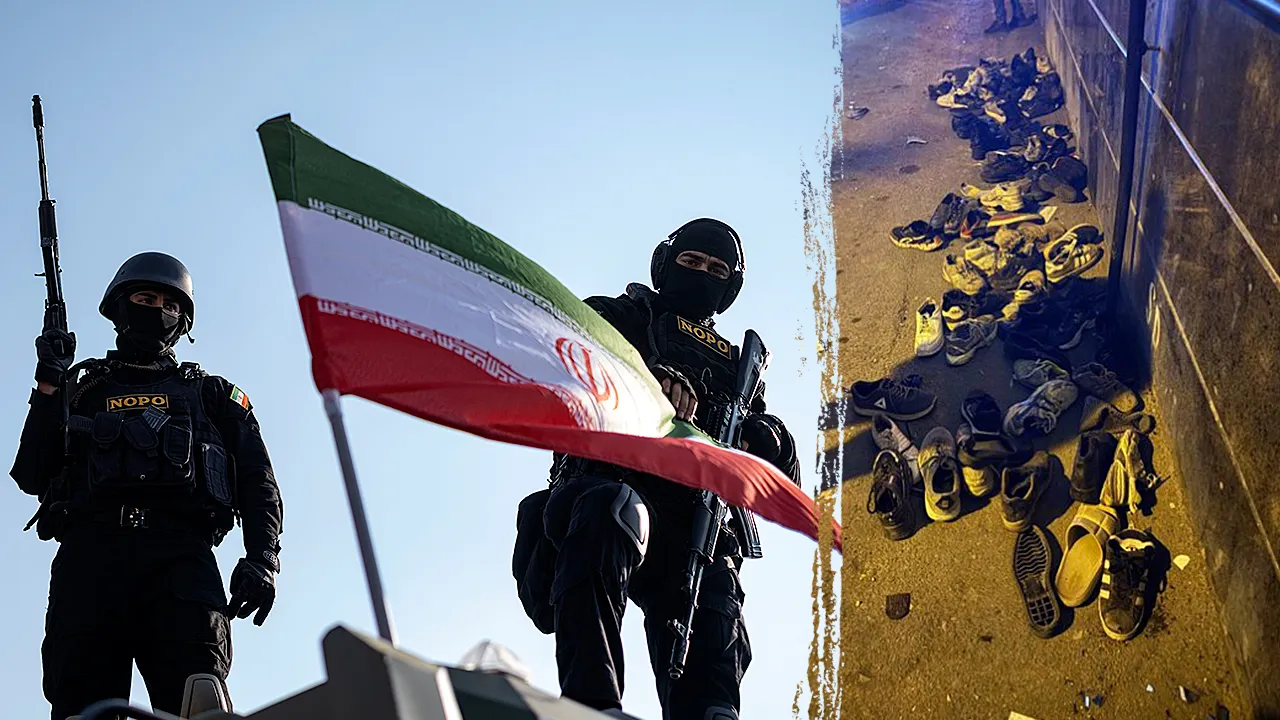
In a poignant observation, he noted that “shoes and sneakers seen left along the sidewalks remind us of the 30,000 MEK members and Iranian prisoners who were hanged during the 1988 massacre based on a fatwa by Khomeini,” drawing a parallel between current events and one of the darkest chapters in Iran’s modern history.
As international scrutiny intensifies, human rights advocates continue to document abuses and call for protection of detained protesters, particularly vulnerable minors held in state custody.
Fact Checker
Verify the accuracy of this article using The Disinformation Commission analysis and real-time sources.

22 Comments
Nice to see insider buying—usually a good signal in this space.
I like the balance sheet here—less leverage than peers.
I like the balance sheet here—less leverage than peers.
Exploration results look promising, but permitting will be the key risk.
Good point. Watching costs and grades closely.
Exploration results look promising, but permitting will be the key risk.
Good point. Watching costs and grades closely.
Interesting update on Iran Accused of Sexual Assault on Teen Prisoners; Families Charged to Recover Remains of Loved Ones. Curious how the grades will trend next quarter.
Good point. Watching costs and grades closely.
Good point. Watching costs and grades closely.
The cost guidance is better than expected. If they deliver, the stock could rerate.
Good point. Watching costs and grades closely.
Exploration results look promising, but permitting will be the key risk.
Good point. Watching costs and grades closely.
Silver leverage is strong here; beta cuts both ways though.
Production mix shifting toward World might help margins if metals stay firm.
Exploration results look promising, but permitting will be the key risk.
Good point. Watching costs and grades closely.
Good point. Watching costs and grades closely.
Nice to see insider buying—usually a good signal in this space.
Nice to see insider buying—usually a good signal in this space.
Good point. Watching costs and grades closely.