


Listen to the article
Indonesia became the first Southeast Asian country on Saturday to implement a ban on children under 16 from accessing major digital platforms, citing concerns about exposure to harmful content, cyberbullying, and online addiction.
The landmark regulation affects an estimated 70 million Indonesian children who will be prohibited from having accounts on popular platforms including YouTube, TikTok, Facebook, Instagram, Threads, X, Bigo Live, and Roblox. The ban follows similar measures introduced by Australia last year, which was the first country globally to implement such restrictions.
“The government has instructed all digital platforms operating in Indonesia to immediately bring their products, features and services into compliance with applicable regulations. There will be no compromise on compliance, and every business entity operating in Indonesia is required to comply with Indonesian law,” said Indonesia’s Communication and Digital Affairs Minister Meutya Hafid.
Officials have announced the implementation will occur gradually until all platforms comply with the measure. High-risk digital platforms were identified based on factors including children’s potential exposure to strangers, predators, harmful content, exploitation risks, and data security vulnerabilities.
Minister Hafid acknowledged the significant challenges ahead in enforcement. “This is certainly a task. But we must take steps to save our children,” she said. “It’s not easy. Nevertheless, we must see it through.”
The regulation arrives amid growing global concern about social media’s impact on young users. Child protection advocates point to research linking excessive social media use with mental health issues among children, including anxiety and depression.
Diena Haryana, founder of Semai Jiwa Amini foundation (SEJIWA), a Jakarta-based nonprofit focused on online child safety, highlighted this balance: “We also need to remember that they need to learn to use this digital technology at the right time, at the right age, and with the right guidance as well.”
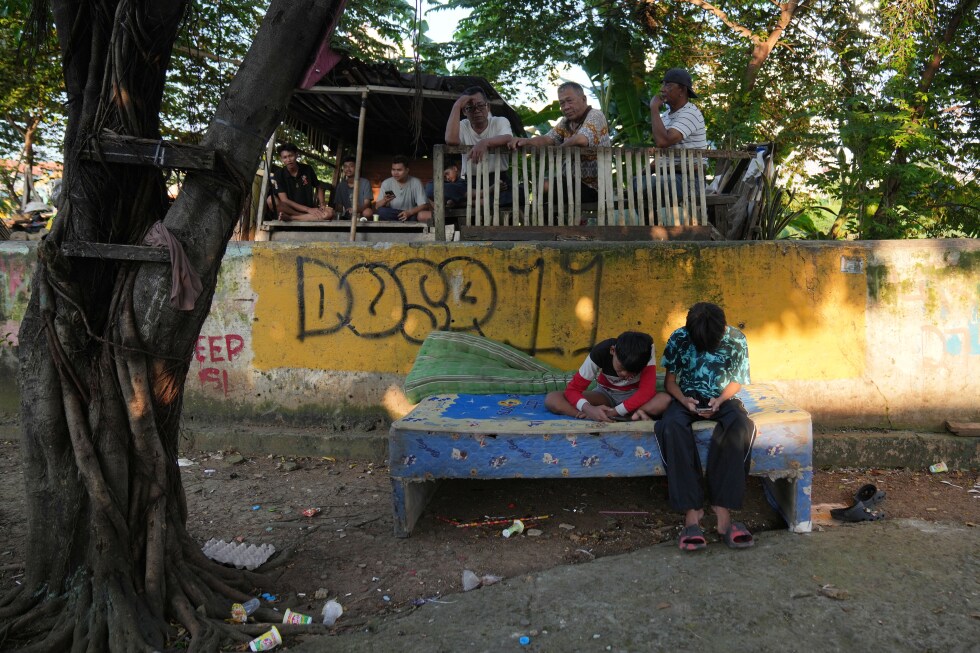
The ban is expected to significantly alter daily habits for millions of Indonesian children. Thirteen-year-old Maura Munthe, who typically spends around four hours daily on social media platforms including Roblox, expressed mixed feelings about the new policy. “There are always other games on my phone, not only the online ones,” she said. “I will likely play more games alone or just hang out with my friends.”
Her mother, Leni Sinuraya, sees the government’s intervention as necessary despite trusting her daughter with digital devices. “Nowadays, when we see kids sitting in a restaurant, they have a phone right in front of them. It’s clear that they’re addicted,” Sinuraya observed. “They won’t eat unless they’re given a phone, and they throw a tantrum if they aren’t.”
Platform responses have been limited so far. Elon Musk’s X has updated its Indonesia Online Safety Information page to reflect the minimum age requirement of 16, stating: “It’s not our choice – it’s what Indonesian law requires.” YouTube expressed support for the government’s “risk-based framework” while emphasizing its existing safety measures. TikTok committed to taking “necessary steps” while engaging with regulators in the self-assessment process.
Indonesia’s move reflects a growing international trend toward stricter regulation of children’s social media access. Following Australia’s pioneering restrictions that resulted in nearly 4.7 million child accounts being revoked, European nations including Spain, France, and the United Kingdom are exploring or implementing similar measures.
Child protection experts anticipate both confusion and resistance as the ban takes effect. Haryana emphasized that parents and schools must now provide alternatives to digital entertainment. “Of course, this takes time to get used to, which is why parents and schools need to encourage children to engage with the real world and make it fun for them,” she said. “And there’s plenty in the real world for children to explore.”
The bold regulatory step positions Indonesia at the forefront of a growing movement to curb tech giants’ influence over children’s development in a region known for high rates of digital adoption and youth social media usage.
Fact Checker
Verify the accuracy of this article using The Disinformation Commission analysis and real-time sources.

11 Comments
Indonesia is tackling a significant challenge many countries face. Balancing digital access and child protection is no easy task, but their approach merits close observation.
This new regulation highlights the growing global concern over young people’s exposure to harmful online content. Indonesia’s actions could set an example for other nations to follow.
It’s positive to see Indonesia taking steps to safeguard children’s wellbeing online. Careful policy implementation and monitoring of impacts will be essential going forward.
Indonesia’s new rules on underage social media access show how governments are grappling with the challenges of the digital age. It’ll be interesting to see how this plays out.
Indonesia is taking a proactive stance on child online safety, which is commendable. However, enforcement and balancing access with protection will be critical.
Agreed. Striking the right balance between protecting children and ensuring access to educational and social benefits of technology will be key.
This is an important step by Indonesia to address the very real issues of online harms and addiction facing youth. The details of how it’s implemented will be critical.
This is an interesting move by Indonesia to protect children from harmful online content. It will be important to monitor the implementation and impact of these regulations.
Restricting children’s social media use is a controversial but necessary measure. Indonesia’s move aligns with growing awareness of the risks kids face online.
Absolutely. Protecting vulnerable young users should be a top priority, even if implementation proves complex.
Restricting underage social media access is a complex issue. Indonesia’s approach is bold, but challenges around age verification and unintended consequences will need to be considered.