


Listen to the article
Indigenous Protesters Occupy Cargill Facility in Northern Brazil Over Waterway Concession Decree
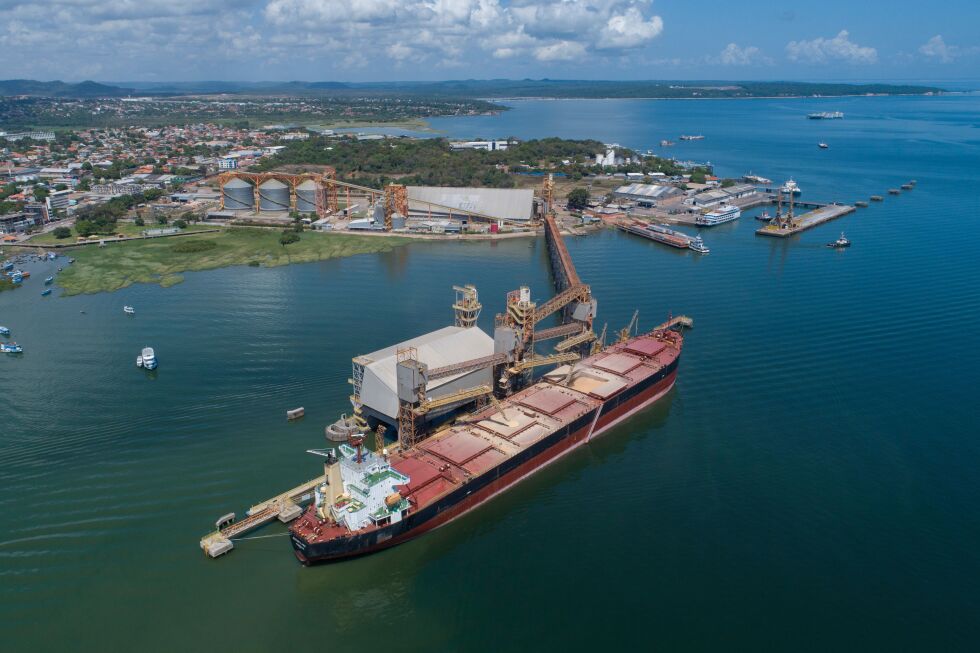
For nearly a week, hundreds of Indigenous people have maintained a protest at a Cargill facility in Santarem, northern Brazil, opposing a controversial decree signed by President Luiz Inácio Lula da Silva in August. The decree allows the federal government to consider private concessions for waterways, transferring responsibility for maintenance, dredging, and vessel traffic management to private operators.
The Tapajos and Arapiuns Indigenous Council, representing 14 Indigenous peoples in the region, is leading the protest in Para state. The council contends that the government failed to conduct proper consultation with affected communities—a requirement under Brazilian legislation and international conventions.
“All we want is awareness and for the government to acknowledge that it made a mistake and must respect our rights,” said Indigenous leader Auricelia Arapiun. She referenced promises made during the UN climate conference COP30 held last year in Belem, the capital of Para state. “There is no point in talking about a climate plan or pledging to defend the environment, the Amazon or the climate while attacking them more than protecting them. The rhetoric is one thing. The practice is another.”
Protesters have vowed to remain at the site until the Lula administration revokes the decree. They specifically targeted Cargill, one of the world’s largest agricultural commodity traders, as they view the company as a symbol of predatory agribusiness that pressures the government to support projects threatening the Amazon rainforest.
The protest has effectively blocked vehicles from entering or leaving Cargill’s terminal. The company stated it respects the right to protest but maintains “the issue raised is a matter over which it has no authority or control.”
The Indigenous groups warn that dredging projects posed by the decree threaten the Tapajos River, Indigenous territories, and the delicate environmental balance of the Amazon rainforest. The Tapajos River forms part of a network of Amazon waterways that currently move approximately 41 million metric tons of cargo annually, according to the office of Lula’s Chief of Staff.
Brazil’s Presidency, through its Secretariat-General responsible for dialogue with social movements, has stated it is committed to conducting free and prior consultation before any intervention related to the Tapajos waterway concession. The office claims the consultation process is ongoing and that it has met with civil society representatives.
Indigenous groups reported holding a virtual meeting with government officials last Sunday and expect them to attend an in-person assembly at the protest site on Friday. The government has not confirmed whether officials will attend.
Environmental experts point to broader implications of the proposed waterway concessions. Renata Utsunomiya, a policy analyst with the Infrastructure and Socioenvironmental Justice group, explained that plans to dredge the Tapajos River are connected to other Amazon infrastructure projects, including a proposed railway known as Ferrograo. These developments are primarily driven by export demands from the agricultural commodities sector, particularly soy and corn producers.
“A waterway concession with expanded dredging and shipping capacity, combined with the Ferrograo railway, would increase pressure on Indigenous territories and protected areas, fueling deforestation, land grabbing and other long-standing impacts in the region,” Utsunomiya said.
The situation highlights the ongoing tension between Brazil’s economic development plans and environmental preservation commitments, particularly in the Amazon region. President Lula, who returned to power in 2023, has positioned himself as a defender of the Amazon on the international stage while facing criticism domestically for policies that Indigenous groups and environmentalists say contradict these commitments.
As the standoff continues, the protest underscores the growing assertiveness of Indigenous communities in defending their territorial rights and the increasing scrutiny of infrastructure projects in environmentally sensitive regions of Brazil.
Fact Checker
Verify the accuracy of this article using The Disinformation Commission analysis and real-time sources.

14 Comments
The Tapajos and Arapiuns Indigenous Council’s protest raises valid concerns over the lack of consultation on the waterway concession decree. Proper engagement with affected communities is essential, especially for decisions that could disrupt their traditional ways of life.
Absolutely. The government should work transparently with Indigenous groups to ensure their interests and rights are protected, not steamroll over them.
This situation underscores the complex and often contentious interplay between economic interests, environmental protection, and Indigenous rights in the Amazon region. A balanced, consultative approach is necessary to avoid further conflicts.
Agreed. The Brazilian government must find a way to address development needs while fully respecting the rights and interests of Indigenous communities who have been the guardians of the Amazon for generations.
It’s encouraging to see Indigenous leaders like Auricelia Arapiun standing up for their communities’ interests. The COP30 climate pledges ring hollow if the Brazilian government continues to neglect Indigenous rights in the Amazon.
You’re right. Upholding environmental commitments requires meaningful collaboration with Indigenous stewards of the land. This protest highlights the need for a more inclusive approach to development and conservation.
The Cargill facility blockade is a powerful statement by Indigenous groups asserting their right to be heard. As Brazil pursues economic and infrastructure projects, it’s critical that the government meaningfully engages with affected communities and finds solutions that work for everyone.
Well said. Sustainable development in the Amazon requires a collaborative approach that prioritizes Indigenous rights and environmental protection alongside economic interests. This protest is a wake-up call for the Brazilian government.
The Cargill facility blockade is a powerful demonstration of Indigenous resistance to perceived threats to their lands and livelihoods. As Brazil seeks to unlock the economic potential of the Amazon, it must do so in a way that genuinely respects the rights and concerns of the region’s original inhabitants.
Well said. Sustainable development in the Amazon requires a collaborative approach that prioritizes Indigenous rights and environmental protection alongside economic interests. This protest is a wake-up call for the Brazilian government to rethink its approach and work more closely with local communities.
This dispute highlights the ongoing tensions between resource exploitation and environmental stewardship in the Amazon. While economic development is important, it must be balanced with respect for Indigenous communities and the fragile ecosystem they have protected for centuries.
Absolutely. The Brazilian government needs to find a way to advance its development agenda while upholding its commitments to Indigenous rights and environmental preservation. Ignoring these critical stakeholders will only lead to more conflict and damage in the long run.
This is a concerning development. Indigenous communities must have a voice and be properly consulted on decisions that impact their lands and livelihoods. The Cargill facility blockade highlights the ongoing tensions around resource use and environmental protection in the Amazon region.
Agreed. The Brazilian government needs to uphold its commitments to Indigenous rights and environmental preservation, especially in sensitive areas like the Amazon.