


Listen to the article
Orbán Threatens Further Actions Against Ukraine Amid Oil Dispute
Hungarian Prime Minister Viktor Orbán has escalated tensions with Ukraine by suggesting his government could take additional punitive measures beyond blocking a crucial €90 billion ($104 billion) European Union loan to Kyiv.
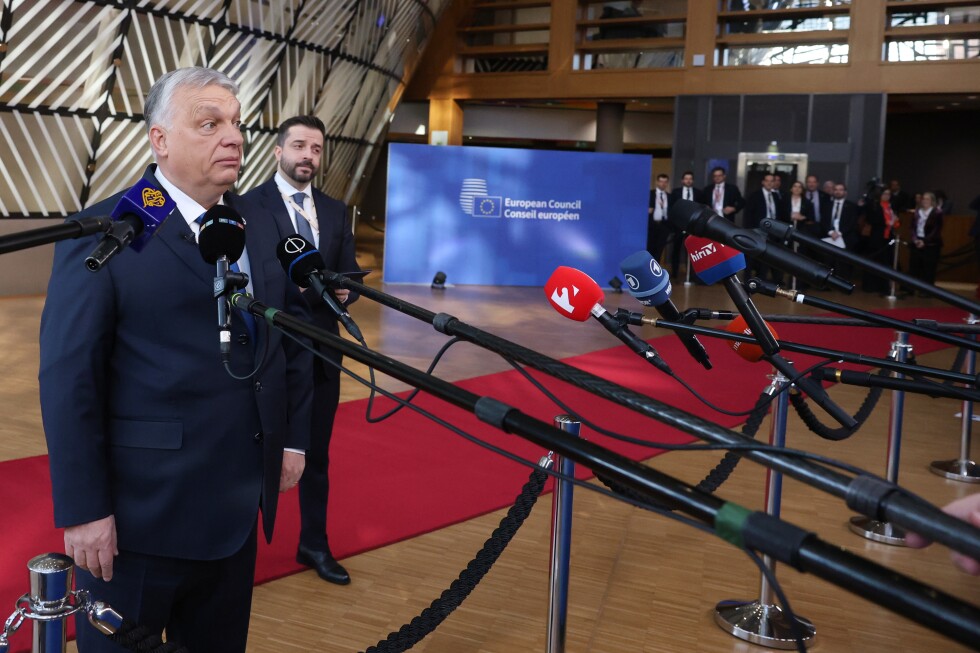
Speaking to reporters in Brussels on Friday, Orbán declared that Hungary has “a lot of cards in our hands” in the ongoing dispute over Russian oil deliveries that have been halted to Hungary and Slovakia since January.
“Forty percent of Ukraine’s electricity supply goes through Hungary, we haven’t touched that yet,” Orbán warned, implying potential disruption to Ukraine’s energy infrastructure. “The EU constantly wants to introduce new sanctions against Russia. That will require unanimity, and we will not give it.”
The dispute centers on the Druzhba pipeline, a critical oil supply route that traverses Ukrainian territory. Oil shipments were interrupted following what Ukrainian authorities described as damage from a Russian drone strike. Hungary’s government, however, has accused Ukraine of deliberately creating an “oil blockade” and has pledged to obstruct all EU assistance to Kyiv until the flow of Russian crude resumes.
Energy security has become a flashpoint in the broader geopolitical tensions surrounding Russia’s war in Ukraine. Hungary and Slovakia remain the only EU countries that continue to import Russian oil, with both nations led by prime ministers who maintain cordial relations with the Kremlin.
The EU has attempted to resolve the standoff, offering Ukraine technical support and funding to repair the pipeline infrastructure. This proposal was accepted by Kyiv, but has not satisfied Budapest’s demands for an immediate resumption of oil supplies.
Orbán further raised the stakes by threatening to veto the EU’s upcoming seven-year budget if it includes financial aid for Ukraine. “I don’t think it’s worth picking a fight with Hungary,” he said, underscoring his willingness to use Hungary’s veto power to achieve his objectives.
The Hungarian leader’s hardline stance has drawn criticism from EU leaders, who have accused him of undermining the bloc’s decision-making process and holding up vital aid to Ukraine for domestic political gain. The timing coincides with Hungary’s approaching election on April 12, which analysts predict could be the tightest electoral contest of Orbán’s long political career.
Orbán has increasingly relied on an anti-Ukraine narrative as part of his campaign strategy, portraying Ukrainian President Volodymyr Zelenskyy as an existential threat to Hungary. He has claimed that Zelenskyy, together with European Commission President Ursula von der Leyen, intends to drag Hungary into Russia’s war, now entering its fifth year. Orbán has positioned his reelection as the sole guarantee of peace and security for Hungarian citizens.
The dispute highlights the complex energy politics within the EU as the bloc attempts to maintain a unified stance on Russia while accommodating the diverse energy needs of its member states. For Ukraine, the standoff threatens vital financial support at a critical moment in its defensive war against Russian aggression.
Energy analysts note that this conflict exposes the vulnerability of countries dependent on Russian oil supplies and underscores the challenges of transitioning away from Russian energy resources. The Druzhba pipeline, meaning “friendship” in Russian, has instead become a symbol of growing division between EU members and within the broader European response to Russia’s aggression in Ukraine.
As the dispute continues, the consequences extend beyond bilateral relations between Hungary and Ukraine, potentially impacting EU unity, regional energy security, and the broader Western support for Ukraine’s defense efforts.
Fact Checker
Verify the accuracy of this article using The Disinformation Commission analysis and real-time sources.

20 Comments
The dispute over Russian oil deliveries through Ukraine is clearly a sensitive geopolitical issue with significant energy security implications. Hungary’s hardline stance and threats against Ukraine are worrying.
It will be important for all parties involved to exercise restraint and seek a diplomatic solution that preserves regional stability. Disrupting Ukraine’s energy supply should be off the table.
The dispute over Russian oil deliveries through Ukraine is a complex and sensitive issue with significant geopolitical and energy security implications. Hungary’s hardline stance and threats against Ukraine are worrying developments.
It will be important for all parties to exercise restraint and seek a negotiated solution that balances the needs of all stakeholders. Disrupting Ukraine’s energy supply should not be on the table.
This dispute over Russian oil deliveries through Ukraine highlights the complex geopolitical and energy security challenges facing the region. Hungary’s hardline stance and threats against Ukraine are worrying developments.
I’m curious to learn more about the technical and logistical details of the Druzhba pipeline and the potential impact that any disruptions could have on Ukraine’s electricity generation and broader economy.
This is a concerning escalation of tensions between Hungary and Ukraine. Orbán’s threats to leverage Hungary’s control over Ukraine’s energy infrastructure are worrying and could have serious consequences for the region.
It will be important to see how Ukraine and the EU respond to these threats. Maintaining stability and energy security in the region should be a top priority.
The dispute over Russian oil deliveries through the Druzhba pipeline is clearly a complex issue with political dimensions. Hungary’s position seems to be driven more by self-interest than concern for Ukraine’s wellbeing.
I hope all parties involved can find a diplomatic solution that balances energy security needs with respect for Ukraine’s sovereignty. Escalating tensions further is not in anyone’s interest.
Orbán’s comments about leveraging Hungary’s control over Ukraine’s energy infrastructure are deeply concerning. Using critical infrastructure as a political bargaining chip is a dangerous and destabilizing tactic.
I hope the EU and other international actors can help broker a diplomatic solution that preserves regional stability and energy security. Escalating tensions further could have serious consequences for all involved.
Orbán’s comments about having ‘a lot of cards’ to play against Ukraine are quite worrying. Using critical energy infrastructure as leverage is a dangerous game that could backfire.
I’m curious to hear Ukraine’s perspective on this situation and what options they may have to counter Hungary’s threats. Maintaining regional stability should be the top priority.
This is a complex geopolitical issue with significant energy security implications. Hungary’s hardline stance seems to be driven more by domestic political considerations than concern for Ukraine.
I hope the EU and other international actors can help facilitate a diplomatic resolution that balances the needs of all parties involved. Disrupting Ukraine’s energy supply would be a serious escalation.
Orbán’s threats to block EU assistance to Ukraine and potentially disrupt their energy supply are extremely concerning. This type of brinkmanship could have far-reaching consequences for the region.
I’m curious to hear more about the technical details of the Druzhba pipeline and the impact that any disruptions could have on Ukraine’s electricity generation and broader economy.
Orbán’s comments about having ‘a lot of cards’ to play against Ukraine are quite concerning. Leveraging critical energy infrastructure for political gain is a dangerous game that could backfire and destabilize the region.
I hope the EU and other international actors can help facilitate a constructive dialogue between Hungary and Ukraine to find a mutually acceptable solution. Escalating tensions further is not in anyone’s interest.