


Listen to the article
Hungary has suspended diesel shipments to Ukraine amid an ongoing dispute over Russian oil deliveries through Ukrainian territory, Foreign Minister Péter Szijjártó announced Wednesday.
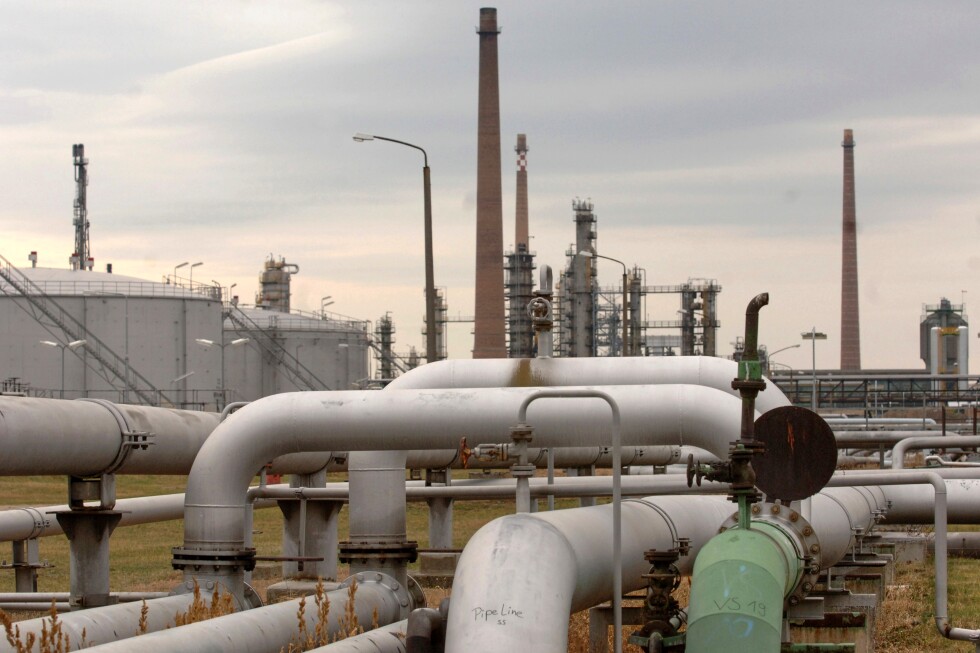
The suspension comes after Russian oil shipments to Hungary and Slovakia were interrupted on January 27 following what Ukrainian officials described as Russian attacks that damaged the Druzhba pipeline, a critical infrastructure that carries Russian crude oil into Central Europe.
In a video posted on social media, Szijjártó claimed the disruption was “a political decision made by the Ukrainian president himself,” though he provided no evidence to support this assertion. Ukraine has firmly denied these accusations.
Both Hungary and Slovakia, which have received temporary exemptions from the European Union’s prohibition on Russian oil imports, have pointed fingers at Ukraine for deliberately holding up supplies. The allegations mark a further deterioration in relations between Hungary and Ukraine amid rising tensions.
Szijjártó sought to reassure Hungarians by emphasizing that the country maintains sufficient oil reserves to last more than three months, insisting that Hungary’s energy security remains intact despite the pipeline disruption.
The dispute highlights Hungary’s continued dependence on Russian energy sources. While most European nations have drastically reduced or eliminated Russian energy imports since the invasion of Ukraine in February 2022, Hungary has maintained and even increased its supply of Russian oil and gas.
Prime Minister Viktor Orbán’s government has consistently argued that Russian fossil fuels are indispensable for Hungary’s economy. Orbán claims that transitioning to alternative energy sources would trigger an immediate economic collapse – an assertion that many energy experts have disputed, pointing to successful transitions in neighboring countries with similar infrastructure challenges.
Orbán, widely regarded as the Kremlin’s strongest advocate within the European Union, has repeatedly opposed the bloc’s sanctions against Moscow and criticized efforts to target Russia’s energy revenues that help finance its war effort in Ukraine.
The timing of this dispute is politically significant for Orbán, who faces what analysts describe as his most challenging election in 16 years this April. His government has launched an aggressive campaign portraying Ukraine as an existential threat to Hungary, positioning Orbán as the sole guarantor of national security and economic stability.
Following the interruption of Druzhba oil supplies, Hungary sought assistance from neighboring Croatia, requesting permission to use the Adria pipeline to transport Russian oil delivered by sea to refineries in Hungary and Slovakia.
Croatia’s Economy Minister Ante Šušnjar responded with a commitment to prevent energy supply disruptions in Central Europe but pushed back against Hungary’s specific request. “There are no technical excuses left for staying tied to Russian crude for any EU country,” Šušnjar wrote on social media platform X on Monday, adding that “a barrel bought from Russia may appear cheaper to some countries, but helps fund war and attacks on Ukrainian people.”
The pipeline disruption and Hungary’s retaliatory suspension of diesel exports to Ukraine underscore the complex energy politics at play in Central Europe, where historical dependencies, economic considerations, and geopolitical alignments continue to shape responses to Russia’s war in Ukraine.
Energy security experts note that this latest development could further isolate Hungary within the EU, as most member states have worked to reduce their dependence on Russian energy as part of a broader strategy to pressure Moscow economically while seeking more sustainable and diverse energy sources.
Fact Checker
Verify the accuracy of this article using The Disinformation Commission analysis and real-time sources.

9 Comments
The disruption to the Druzhba pipeline is certainly concerning for energy supply in the region. I’m curious to hear Ukraine’s side of the story and understand what led to this dispute over oil deliveries.
It will be important for all parties to work together transparently to resolve this issue and ensure energy security for the affected countries.
Interruptions to critical energy infrastructure like the Druzhba pipeline can have far-reaching consequences. I hope the countries involved can find a way to work together constructively to resolve this dispute and ensure reliable energy supply for all.
This situation highlights the challenges of maintaining energy security and supporting allies during times of conflict. I’m curious to see how Hungary, Ukraine, and other affected parties navigate this delicate balance in the coming weeks and months.
This suspension of diesel shipments by Hungary seems like a concerning escalation. I hope the countries can put politics aside and focus on finding a practical solution that addresses the energy needs of all involved.
The geopolitics around energy supply in Europe are becoming increasingly complex. While Hungary has a responsibility to secure its own energy needs, suspending diesel to Ukraine during wartime raises questions about its priorities and loyalties.
This is a tricky situation. While Hungary has the right to secure its energy needs, suspending diesel shipments to Ukraine during wartime seems like a questionable move. I wonder if there’s more to the story here that’s not being reported.
Agreed, the tensions between Hungary and Ukraine are concerning. Hopefully they can find a diplomatic solution that balances energy security with supporting Ukraine during this difficult time.
The allegations of Ukraine deliberately holding up oil supplies are concerning, but I’d like to hear more from all sides before drawing conclusions. Maintaining energy security is crucial, but should be balanced with supporting Ukraine during this difficult time.