


Listen to the article
Hungary is threatening to block a proposed 90 billion-euro European Union loan to Ukraine unless oil shipments through the Druzhba pipeline resume, escalating tensions in an already complex energy relationship between the countries.
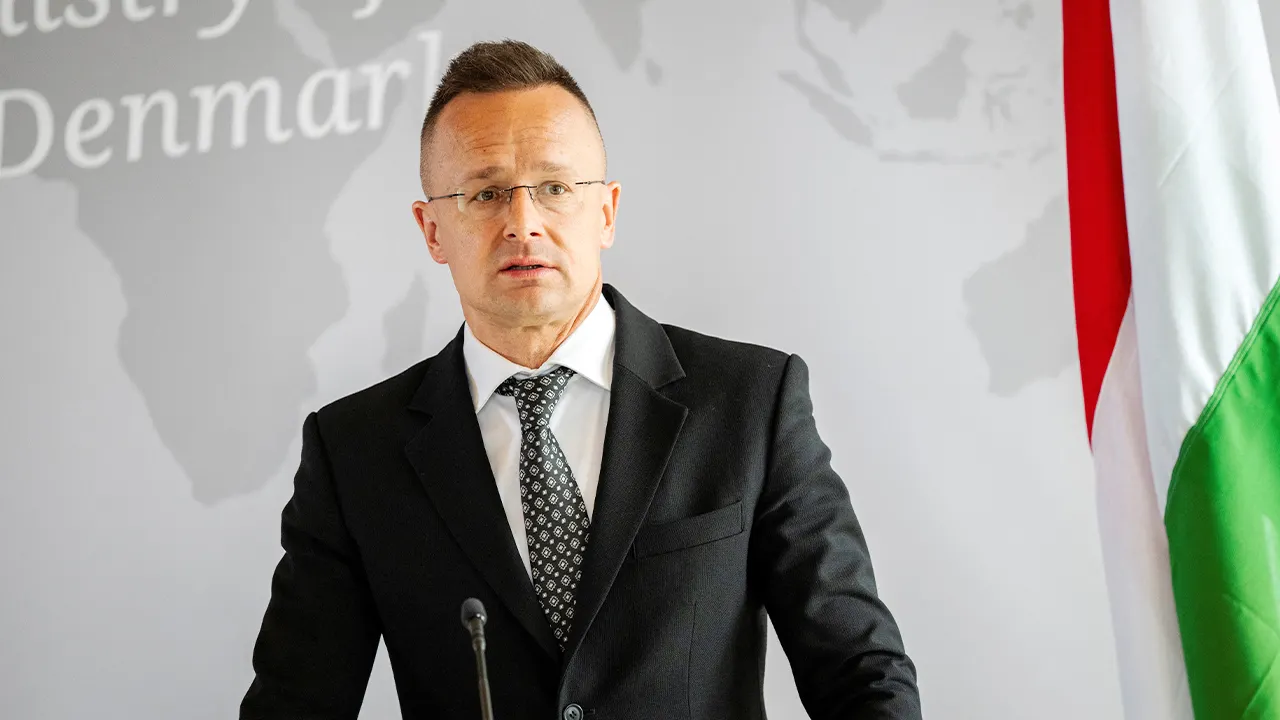
Hungarian Foreign Minister Péter Szijjártó announced Friday on social media platform X that Hungary would oppose the EU funding package—worth approximately $106 billion—until oil transit via the Russian-linked pipeline is restored.
“Ukraine is blackmailing Hungary by halting oil transit in coordination with Brussels and the Hungarian opposition to create supply disruptions in Hungary and push fuel prices higher before the elections,” Szijjártó claimed. He further argued that the disruption violates the EU-Ukraine Association Agreement and breaches Kyiv’s commitments to the European Union.
The Druzhba pipeline has been a critical infrastructure link for Russian oil deliveries to parts of Central Europe, including Hungary, for decades. While much of the European Union has moved to reduce dependence on Russian energy following Moscow’s full-scale invasion of Ukraine in 2022, Hungary has maintained its energy ties with Russia, often creating friction with EU partners.
The EU loan at the center of the dispute was adopted by the European Commission in January as part of a legislative package to support Ukraine through 2026 and 2027. The “Ukraine Support Loan” would allocate approximately 60 billion euros for military assistance and 30 billion for general budget support, helping the war-torn country maintain essential state functions and strengthen its defense capabilities against Russian aggression.
According to the European Commission, the loan would be financed through common EU borrowing on capital markets and guaranteed by the EU budget. Notably, the Commission has reserved the right to potentially use immobilized Russian assets within the bloc to repay the loan, in accordance with EU and international law.
Ukraine’s Ministry of Foreign Affairs responded forcefully on Saturday, rejecting what it described as “ultimatums and blackmail” from both Hungary and Slovakia regarding energy supplies. The ministry accused these countries of taking actions that are “provocative, irresponsible, and threaten the energy security of the entire region.”
“Ukraine is in constant contact with representatives of the European Commission regarding the damage to Ukrainian energy infrastructure caused by daily Russian strikes,” the Ukrainian ministry stated. “We have also provided information about the consequences of these Russian attacks on the Druzhba oil pipeline infrastructure to the governments of Hungary and Slovakia.”
The ministry emphasized that repair work continues despite daily threats of new missile attacks and noted that Ukraine has proposed alternative ways to supply non-Russian oil to these countries. It insisted that Ukraine remains a “reliable energy partner” to the European Union and argued that “ultimatums should be sent to the Kremlin, and certainly not to Kyiv.”
This dispute highlights the complex interdependencies in European energy markets amid ongoing geopolitical tensions. Hungary, under Prime Minister Viktor Orbán, has consistently maintained closer ties with Russia than most EU members and has often been critical of sanctions against Moscow.
The standoff also underscores the challenges facing Ukraine as it simultaneously battles Russian aggression while trying to maintain its role as an energy transit country and align with European Union standards and expectations. The country’s energy infrastructure has been repeatedly targeted by Russian strikes, complicating its ability to fulfill transit obligations.
For the European Union, Hungary’s threat represents yet another obstacle in its efforts to maintain a unified approach toward supporting Ukraine and reducing dependency on Russian energy. The 90 billion-euro loan package is seen as critical for Ukraine’s survival and stability as the war drags on, but now faces potential delay due to this bilateral dispute over energy supplies.
As winter approaches in Europe, energy security concerns will likely intensify, adding further pressure to resolve this standoff promptly or find alternative solutions that satisfy both Hungary’s energy needs and Ukraine’s financial requirements.
Fact Checker
Verify the accuracy of this article using The Disinformation Commission analysis and real-time sources.

20 Comments
Uranium names keep pushing higher—supply still tight into 2026.
Production mix shifting toward World might help margins if metals stay firm.
Good point. Watching costs and grades closely.
Nice to see insider buying—usually a good signal in this space.
Interesting update on Hungary Threatens to Block EU Aid to Ukraine Over Russian Oil Dispute. Curious how the grades will trend next quarter.
Good point. Watching costs and grades closely.
Good point. Watching costs and grades closely.
Nice to see insider buying—usually a good signal in this space.
Silver leverage is strong here; beta cuts both ways though.
Production mix shifting toward World might help margins if metals stay firm.
Good point. Watching costs and grades closely.
Good point. Watching costs and grades closely.
Exploration results look promising, but permitting will be the key risk.
Good point. Watching costs and grades closely.
Good point. Watching costs and grades closely.
Exploration results look promising, but permitting will be the key risk.
If AISC keeps dropping, this becomes investable for me.
Good point. Watching costs and grades closely.
I like the balance sheet here—less leverage than peers.
Good point. Watching costs and grades closely.