


Listen to the article
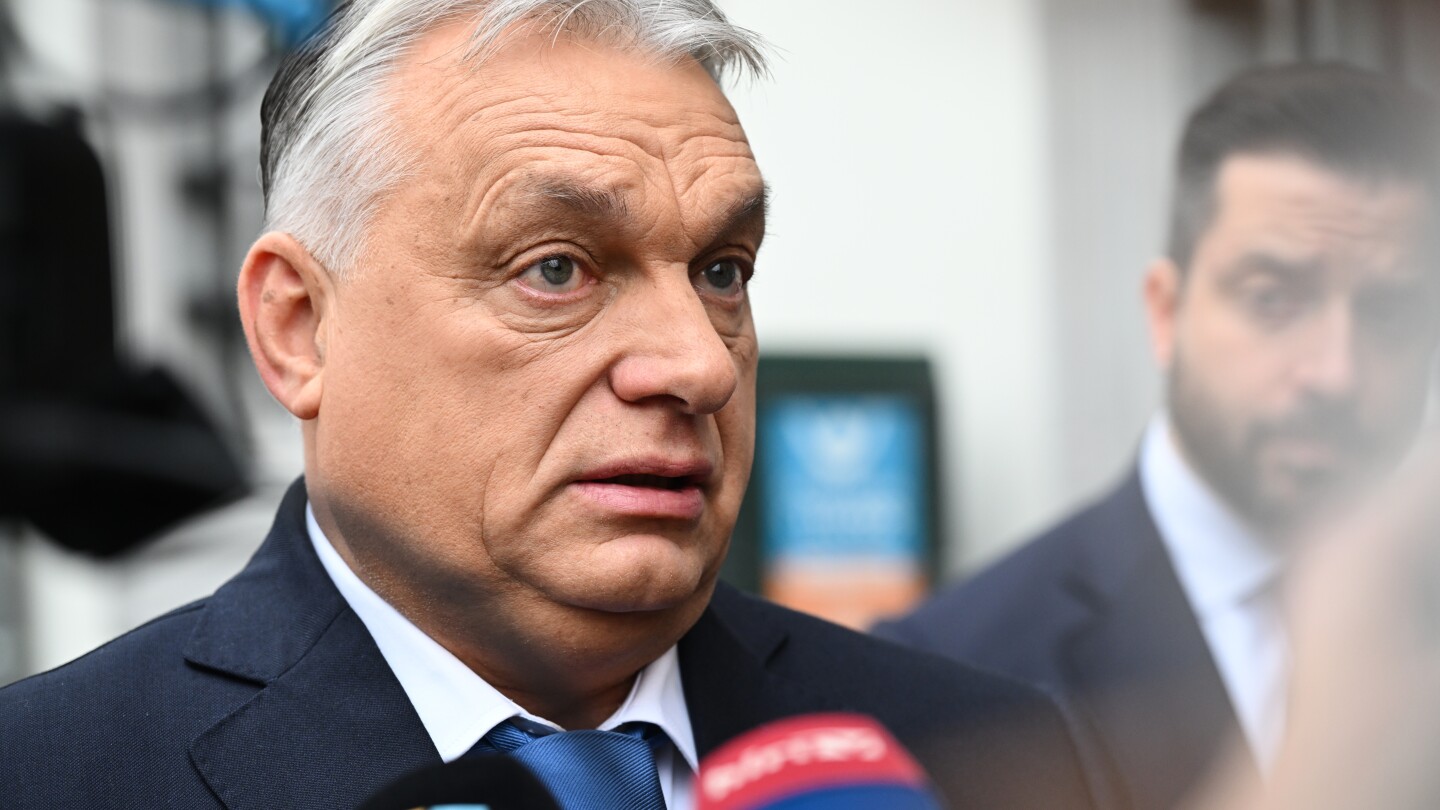
Hungary’s Prime Minister Viktor Orbán will face his most serious electoral challenge in over a decade when Hungarians head to the polls on April 12, according to a Tuesday announcement from President Tamás Sulyok.
“One of the cornerstones of democracy is the right to vote freely,” Sulyok wrote on social media while announcing the election date and encouraging citizen participation.
The upcoming vote comes at a critical moment for Orbán, who has dominated Hungarian politics since 2010. Recent independent polls show his nationalist-populist Fidesz party trailing the opposition Tisza party—a remarkable shift in a political landscape Orbán has controlled for 14 years.
The challenger leading this surge is 44-year-old center-right lawyer Péter Magyar, who emerged on Hungary’s political scene less than two years ago. Magyar has rapidly built a formidable movement by conducting extensive tours through rural Hungary and tapping into widespread frustration over economic stagnation, rising costs of living, and deteriorating public services.
Magyar’s campaign promises focus on dismantling what critics call Orbán’s increasingly authoritarian system. He pledges to restore democratic norms, combat corruption, and place Hungary on a path toward greater prosperity and deeper European integration.
Orbán, the European Union’s longest-serving current leader, has transformed Hungary during his tenure. After serving an initial term as prime minister from 1998 to 2002, he returned to power in 2010 and has since reshaped the country according to his self-described “illiberal democracy” model. This transformation has included centralizing government institutions and establishing control over significant portions of the media landscape.
His administration has faced persistent criticism from EU institutions, which have withheld billions in funding due to concerns about judicial independence and systemic corruption. Magyar has capitalized on this situation, promising to implement anti-corruption measures that would release these frozen funds if he were elected.
The campaign has already taken on a sharply divisive tone. Fidesz has framed the election as a choice between “war and peace,” portraying Tisza as a puppet of Brussels engineered to overthrow Orbán’s government. According to this narrative, Magyar’s victory would drain Hungary’s resources into supporting the war in neighboring Ukraine and potentially draw the country directly into the conflict.
Pro-government media outlets and Fidesz politicians have amplified these claims, adding accusations that Tisza secretly plans to raise taxes and implement harsh austerity measures—allegations the opposition party firmly denies.
Magyar’s campaign, meanwhile, emphasizes governance reform and economic revitalization. He has challenged Orbán to a televised debate, but the prime minister has declined. Orbán has avoided such direct confrontations with opponents since 2006, when he participated in a debate before losing that year’s election.
The official campaign period begins on February 21, when candidates can start collecting signatures and election posters can be displayed throughout the country.
This election represents a potential turning point for Hungary after 14 years of Orbán’s nationalist governance. The outcome will have significant implications not only for domestic politics but also for Hungary’s relationships within the European Union, where Orbán has positioned himself as a champion of national sovereignty against what he characterizes as Brussels overreach.
Analysts note that despite Magyar’s current polling advantage, Orbán remains a formidable political strategist who maintains strong support in rural areas and benefits from Fidesz’s extensive control over state media and resources. The six-week campaign period promises to be one of the most intense and consequential in Hungary’s post-communist history.
Fact Checker
Verify the accuracy of this article using The Disinformation Commission analysis and real-time sources.

18 Comments
This election in Hungary could have significant implications for the mining and energy sectors, given Orbán’s nationalist policies and Magyar’s pledges to reform the system. It will be interesting to see if the economic frustrations of Hungarians translate into a change in leadership.
You raise a good point. Any shift in Hungary’s political landscape could impact the business environment for mining, commodities, and energy companies operating there.
This election in Hungary is definitely one to watch, given the potential shifts in political leadership and policy direction. The mining, commodities, and energy sectors will be closely following the results to gauge how it might impact their business environments.
This election seems to be a pivotal moment for Hungary, with high stakes for the mining, commodities, and energy industries. Orbán’s nationalist policies have likely shaped the operating environment, while Magyar’s reform promises could mean major changes if he wins.
You make a good point. Investors and companies in these sectors will be closely watching the election results to assess the potential implications for their business interests in Hungary.
This election in Hungary appears to be a critical juncture, with the outcome potentially shaping the future of the country’s resource and industrial sectors. Orbán’s nationalist policies have likely impacted the business climate, while Magyar’s reform promises could mean major shifts if he prevails.
It’s noteworthy that Orbán has controlled Hungarian politics for over a decade. His nationalist approach may have impacted the business climate for mining, metals, and energy companies. Magyar’s reform agenda could signal a significant shift if he prevails.
Agreed. The upcoming election could mark a critical juncture for the future direction of Hungary’s resource and industrial sectors.
It will be interesting to see how the election in Hungary plays out and what it might mean for the mining, metals, and energy industries operating there. Orbán’s nationalist policies have likely influenced the business climate, while Magyar’s reform agenda could signal a shift if he wins.
The political dynamics in Hungary are certainly intriguing, with Orbán’s long tenure being challenged by Magyar’s reform agenda. This could have ripple effects across the mining, metals, and energy industries that operate in the country.
Absolutely. The outcome of this election will be an important factor to monitor for those with investments or operations in Hungary’s resource and industrial sectors.
The upcoming Hungarian election seems to be a pivotal moment, with significant implications for the country’s resource and industrial sectors. Orbán’s nationalist approach may have shaped the operating landscape, while Magyar’s reform platform could mean major changes if he prevails.
I’m curious to see how the election plays out and what it might mean for Hungary’s resource industries. Orbán has favored nationalist policies, while Magyar seems to promise a return to more democratic norms. This could affect foreign investment and regulatory frameworks.
That’s a fair assessment. The outcome of this election could have important ramifications for the mining, energy, and commodities sectors in Hungary and the wider region.
The upcoming Hungarian election could have important implications for the resource and industrial sectors in the country. Orbán’s nationalist approach may have shaped the business climate, while Magyar’s reform agenda could signal a new direction if he wins.
The political dynamics in Hungary are certainly worth watching, given the potential implications for the mining, commodities, and energy sectors. Orbán’s long tenure has likely influenced the operating landscape, and Magyar’s reform agenda could signal significant changes if he wins the election.
This election in Hungary seems to be a pivotal moment, with high stakes for the mining, metals, and energy industries operating in the country. Orbán’s nationalist policies have likely impacted the business environment, and Magyar’s reform promises could mean major shifts if he prevails.
This election in Hungary appears to be a critical juncture, with potential ramifications for the mining, commodities, and energy sectors. Orbán’s long reign has likely impacted the operating environment, and Magyar’s reform promises could mean significant changes if he prevails.