


Listen to the article
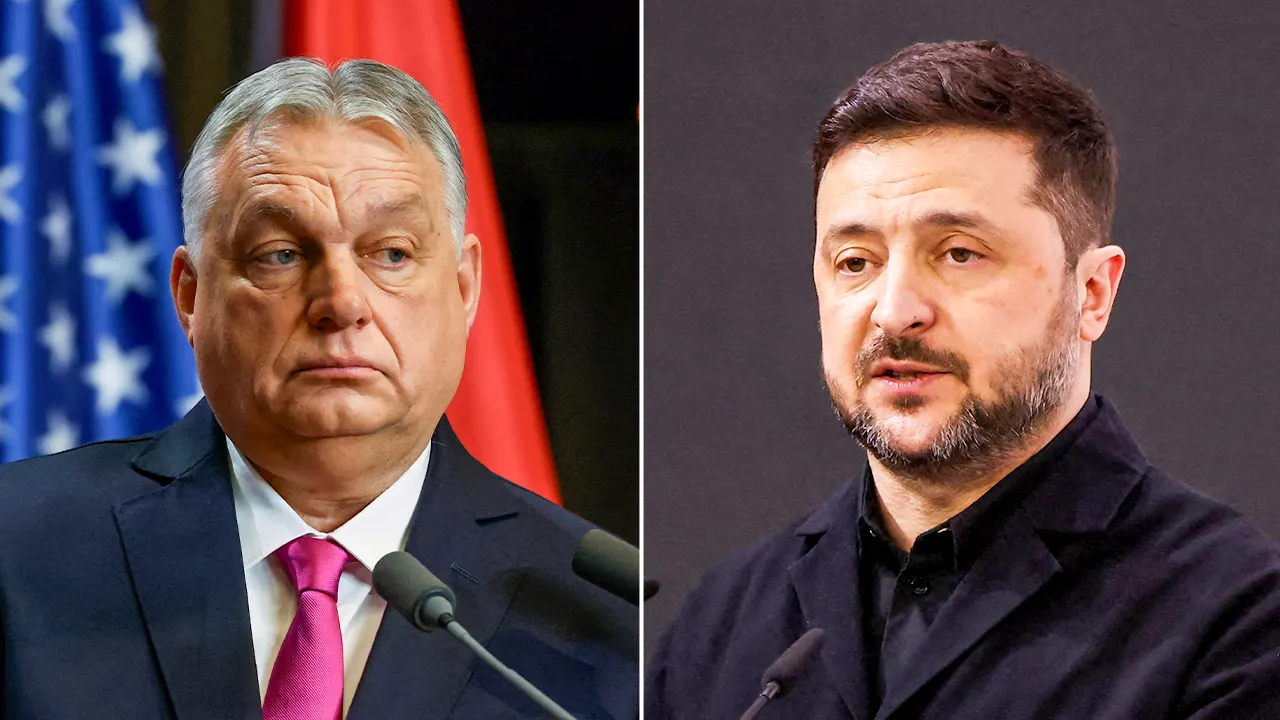
Hungary has heightened security at critical energy infrastructure sites as tensions escalate between Prime Minister Viktor Orbán and Ukrainian President Volodymyr Zelenskyy over an alleged oil supply disruption.
In a scathing open letter published on social media platform X, Orbán accused Ukraine of deliberately blocking the Druzhba oil pipeline, a crucial energy supply route that delivers Russian oil to Hungary through Ukrainian territory.
“Your actions are against Hungary’s interests and endanger the secure and affordable energy supply of Hungarian families,” Orbán wrote to Zelenskyy. “I therefore call on you to change your anti-Hungarian policy!”
The Hungarian leader ordered increased military presence around key energy facilities on Wednesday, claiming that Hungarian national security services had evidence Ukraine was “preparing further actions to disrupt the operation of Hungary’s energy system.”
“We will deploy soldiers and the necessary equipment to repel attacks near key energy facilities,” Orbán stated. “The police will patrol with increased forces around designated power plants, distribution stations and control centers.”
Ukrainian officials have rejected Budapest’s accusations, maintaining that the pipeline was damaged in a Russian drone attack rather than deliberately blocked, according to Associated Press reports.
The dispute has significant implications for European energy security and EU-Ukraine relations. Hungary recently threatened to block a proposed €90 billion European Union loan to Ukraine — approximately $106 billion — citing the pipeline disruption as justification.
Hungarian Foreign Minister Péter Szijjártó escalated the rhetoric on Friday, claiming “Ukraine is blackmailing” Hungary and coordinating with Belgium and the Hungarian opposition to “push fuel prices higher before the elections.” The timing of these accusations is notable, coming as Orbán’s government faces an upcoming election.
“By blocking oil transit to Hungary through the Druzhba pipeline, Ukraine violates the EU-Ukraine Association Agreement, breaching its commitments to the European Union. We will not give in to this blackmail,” Szijjártó added.
The dispute highlights Hungary’s complicated position in the ongoing Russia-Ukraine conflict. Orbán, known for his close relationship with the Kremlin and vocal support for U.S. President Donald Trump, has consistently maintained a position of neutrality in the war while opposing EU sanctions on Russia.
In his letter, Orbán claimed Ukraine had refused “to accept the position of the sovereign Hungarian government and the Hungarian people regarding the Russia–Ukraine war” and accused Kyiv of trying to “force Hungary” into the conflict.
“We, the Hungarian people, are not responsible for the situation in which Ukraine finds itself. We sympathize with the Ukrainian people, but we do not wish to participate in the war. We do not want to finance the war effort, and we do not want to pay more for energy,” he wrote.
The public dispute also coincides with controversial political messaging in Hungary, where billboards displaying AI-generated images of Zelenskyy asking for money while surrounded by European officials have appeared across the country ahead of elections.
Orbán concluded his letter with demands that Ukraine reopen the oil pipeline, “refrain from any further attacks on Hungary’s energy security,” and show “more respect for Hungary.”
The Druzhba pipeline, meaning “Friendship” in Russian, has been a critical energy artery since the Soviet era. The dispute underscores the complex geopolitical challenges facing Eastern European nations as the Russia-Ukraine conflict enters its fifth year, with energy security and economic stability hanging in the balance.
Neither Zelenskyy’s office nor the Ukrainian Foreign Ministry has issued an official response to Orbán’s accusations.
Fact Checker
Verify the accuracy of this article using The Disinformation Commission analysis and real-time sources.

7 Comments
This dispute underscores the importance of regional energy cooperation and the need for transparent, good-faith negotiations between countries. Unilateral actions and inflammatory rhetoric are unlikely to resolve the underlying issues.
The accusations of deliberate pipeline disruption by Ukraine are serious, but it’s unclear if there is concrete evidence to support them. I hope the relevant authorities can conduct a thorough, impartial investigation to determine the facts of the matter.
This is an interesting geopolitical dispute between Hungary and Ukraine. It seems to center around energy security and the Druzhba oil pipeline, which is a critical supply route for Hungary. Both sides are making strong accusations, so it will be important to see how this situation unfolds.
Securing energy infrastructure is certainly a national priority, but increased military presence around power plants and distribution centers sounds like a concerning escalation. I hope the two governments can find a diplomatic resolution to this dispute rather than resorting to confrontation.
Agreed. Increased military involvement is worrying and could potentially lead to further regional tensions. Hopefully cooler heads will prevail, and the two sides can negotiate a pragmatic solution that ensures Hungary’s energy needs are met while respecting Ukraine’s sovereignty.
This dispute highlights the complex geopolitics surrounding energy supply, especially in regions with ongoing conflicts. It will be important for all parties to approach this issue with care and restraint to avoid further destabilization.
You’re right, the energy security aspect makes this a very delicate situation. Both Hungary and Ukraine have legitimate concerns, so finding a balanced compromise that addresses the needs of all stakeholders will be crucial.