


Listen to the article
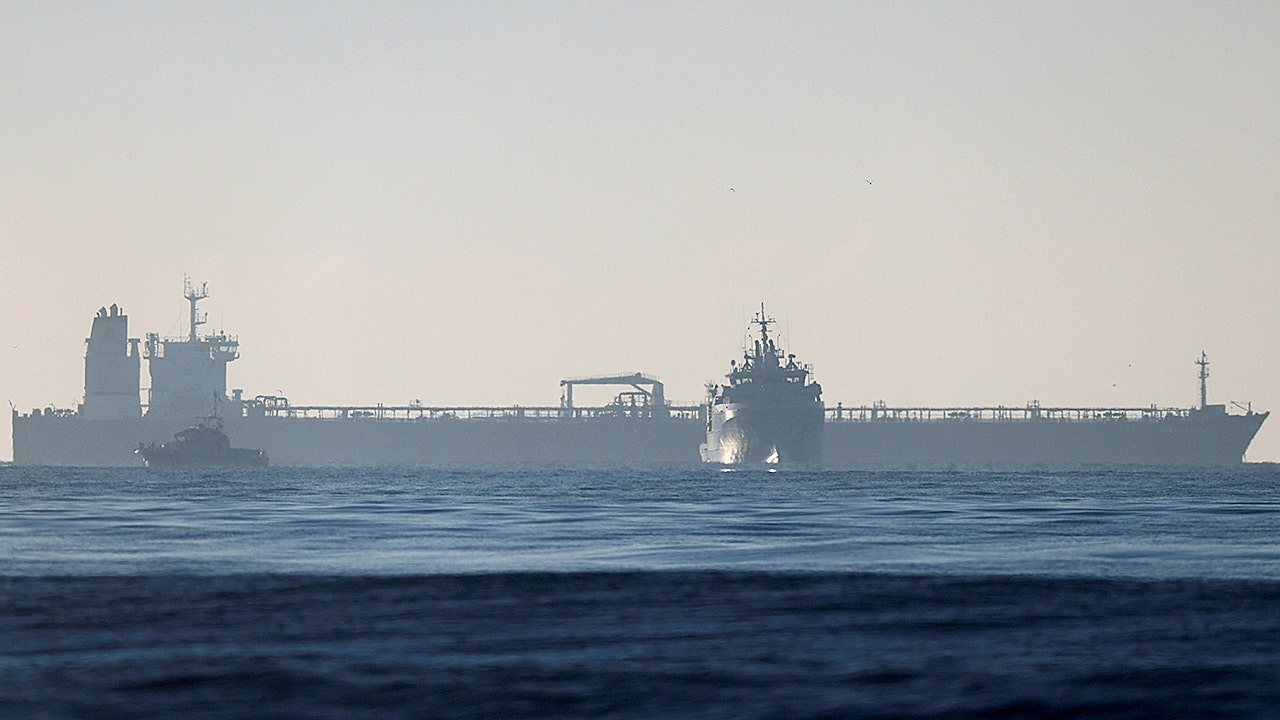
Russian shadow fleet tankers carrying sanctioned oil are increasingly navigating through the English Channel, raising tensions between NATO and Russia in one of the world’s busiest shipping lanes. The Royal Navy has intensified surveillance of these vessels as they continue to fund President Vladimir Putin’s war effort in Ukraine.
According to a report by Sky News, approximately 800 shadow tankers have traversed the channel, many carrying oil worth millions of dollars despite Western sanctions. Several Russia-linked vessels—including the Rigel, Hyperion, and Kousai—have been tracked by maritime monitoring services as they transport sanctioned crude through European waters.
The Rigel, an 885-foot Suezmax-class tanker sailing under a Cameroonian flag, departed from the Russian port of Primorsk on February 2 carrying up to one million barrels of oil valued at approximately $55 million. Though sanctioned by the United Kingdom, European Union, and Canada, the vessel is still permitted “innocent passage” through territorial waters under international maritime law, despite being barred from using port facilities in those jurisdictions.
Similarly, the Kousai, operating under a Sierra Leonean flag, left the Russian port of Ust-Luga on February 2 and was subsequently warned by authorities to provide proof of insurance within 24 hours. The Hyperion, which also faces U.S. sanctions, has employed flag-switching tactics after delivering oil to Venezuela in an apparent attempt to obscure ownership and evade enforcement measures.
The presence of these vessels in NATO-adjacent waters presents growing security concerns. Professor Michael Clarke told Sky News that there could come a point when Britain and its allies “get much tougher with these Russian ships,” warning that a “militarized confrontation at sea” is a real possibility in the English Channel or North Sea this year.
A spokesperson for the UK Ministry of Defence emphasized that “deterring, disrupting and degrading the Russian shadow fleet is a priority for this government.” The ministry has requested insurance documentation from more than 600 suspected vessels since October 2024 as part of enhanced enforcement efforts.
These developments occur against a backdrop of broader international efforts to enforce sanctions against Russia’s energy sector. The United States has taken an aggressive approach, seizing at least seven tankers connected to sanctioned oil trades since December 2025, primarily in Caribbean waters.
The shadow fleet represents a significant challenge to the Western sanctions regime imposed following Russia’s invasion of Ukraine. These vessels often operate with minimal safety standards, questionable insurance coverage, and frequently change ownership or flags to create layers of obscurity that make enforcement difficult.
Maritime security experts note that these tankers not only represent a sanctions evasion problem but also pose environmental risks due to their often substandard maintenance and operations. Many are aging vessels purchased specifically for sanctions-busting operations after being discarded by legitimate shipping companies.
As tensions escalate, NATO nations face difficult decisions about how aggressively to enforce sanctions in international waters without triggering a direct military confrontation with Russia, particularly in strategically sensitive areas like the English Channel where any incident could have significant geopolitical ramifications.
Fact Checker
Verify the accuracy of this article using The Disinformation Commission analysis and real-time sources.

10 Comments
This report highlights the complex geopolitical dynamics at play, as Russia seeks to keep its oil and gas exports flowing despite Western sanctions. It will be interesting to see how NATO and its members respond to this escalating situation.
Interesting report on the growing use of ‘shadow tankers’ to transport sanctioned Russian oil through NATO waters. This highlights the challenges of enforcing sanctions and the need for robust maritime surveillance to monitor these activities.
Absolutely, maintaining vigilance in key shipping lanes is crucial to curbing Russia’s ability to circumvent sanctions. Continued coordination among NATO members will be essential.
The hundreds of Russian tankers traversing the English Channel is certainly concerning from a national security standpoint. Allowing ‘innocent passage’ of these vessels, despite sanctions, seems to undermine the effectiveness of the measures.
You raise a valid point. The legal nuances around ‘innocent passage’ versus enforcement of sanctions in territorial waters will likely require further diplomatic discussions and cooperation.
The revelation that Russia is using a ‘shadow fleet’ of hundreds of tankers to transport sanctioned oil is concerning. It speaks to the resourcefulness of Russia in finding ways to undermine the effectiveness of Western sanctions.
Agreed, this is a concerning development that will require a coordinated response from NATO and its allies to close any loopholes and strengthen the sanctions regime.
The report highlights the ongoing cat-and-mouse game between Russia and the West when it comes to sanctions enforcement. It’s clear that Russia is employing creative tactics to keep its oil and gas exports flowing, despite the sanctions.
Absolutely, this is a complex challenge that will require sustained vigilance and coordination among NATO members to effectively monitor and respond to these activities.
Maintaining control over key shipping lanes and monitoring the movement of these ‘shadow tankers’ carrying sanctioned Russian oil must be a high priority for NATO. The potential for escalation and military incidents in these waters is worrying.