


Listen to the article
Strait of Hormuz Becomes Maritime Crisis Zone Following US-Israeli Strikes on Iran
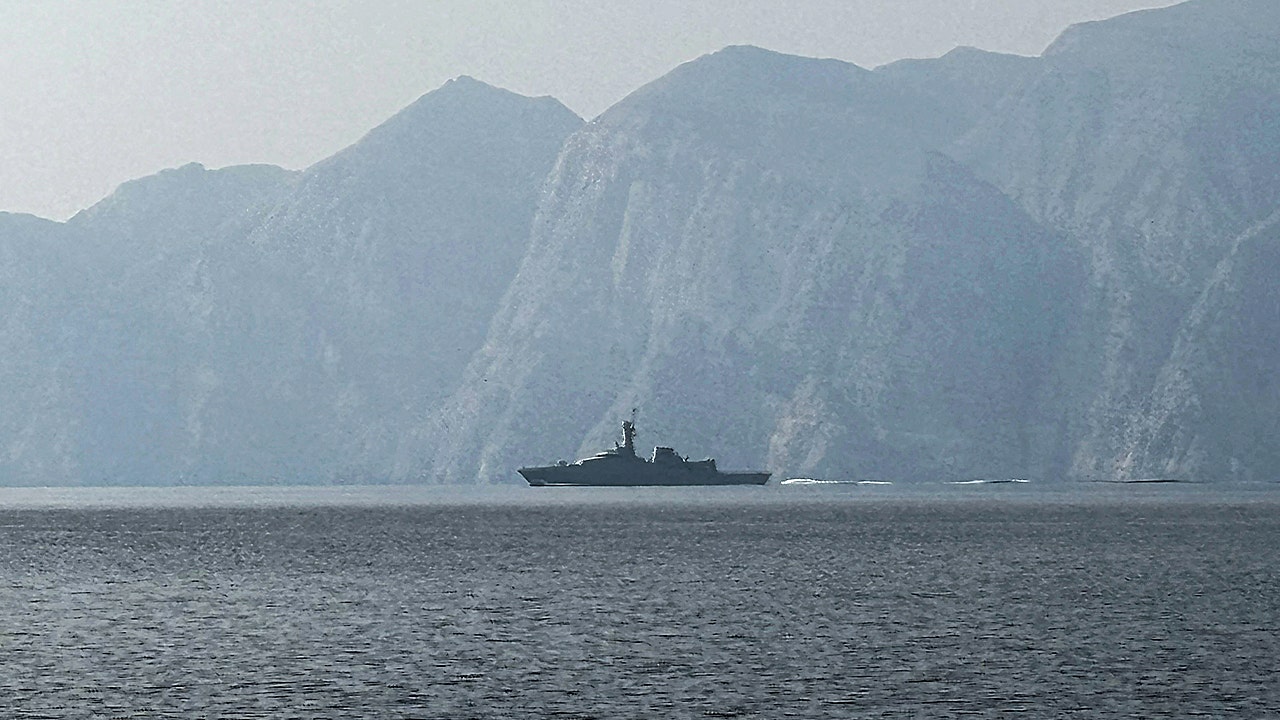
The Strait of Hormuz has erupted into a dangerous maritime flashpoint following U.S.-Israeli strikes on Iran under Operation Epic Fury, with multiple vessel attacks and widespread electronic warfare creating a perilous environment for commercial shipping in one of the world’s most critical energy corridors.
On Sunday, the United Kingdom Maritime Trade Operations (UKMTO) reported three separate “attacks” on vessels transiting through Persian Gulf waters. One ship west of Sharjah in the UAE was rocked by an explosion from an unknown projectile that detonated alongside the vessel. Another tanker north of Muscat, Oman, was struck above the waterline, igniting a fire that crew members later managed to control. A third vessel northwest of Mina Saqr, UAE, was also hit by a projectile that started a blaze onboard.
“The Persian Gulf, Strait of Hormuz and adjacent waters are the most dangerous place right now for commercial shipping,” warned Jakob P. Larsen, head of maritime security at BIMCO, the world’s largest international shipping association. “Ships in the Persian Gulf are under threat from Iranian attacks. To protect themselves, most ships stay as far away from Iran as they can.”
The escalation follows a February 28 advisory from U.S. maritime authorities urging commercial vessels to avoid strategic waterways if possible, including the Persian Gulf, Gulf of Oman and Arabian Sea, citing heightened security risks. “It is recommended that vessels keep clear of this area if possible,” the warning stated.
Beyond the physical attacks, a surge in electronic warfare has disrupted navigation systems across the region. Maritime intelligence firm Windward reported widespread GPS and Automatic Identification System (AIS) interference affecting more than 1,000 ships. The company documented extensive navigation disruption near Iran’s Bandar Abbas port, with ships falsely appearing at airports, a nuclear power plant, and inland locations where no vessels could possibly operate.
Several new AIS jamming clusters were identified across Emirati, Qatari, Omani, and Iranian waters, creating dangerous blind spots in maritime traffic management systems that are crucial for preventing collisions and coordinating safe passage.
The strategic significance of this crisis cannot be overstated. Approximately 20% of global oil and gas exports pass through the Strait of Hormuz, a narrow waterway that at its narrowest point is just 21 nautical miles wide. Any significant disruption to shipping in this corridor could trigger global energy market volatility and supply chain issues.
Shipping giant Maersk has already announced it will reroute some services away from the region, prioritizing crew and cargo safety. Maritime traffic has noticeably thinned, with some tankers reversing course or switching off their AIS signals to avoid being tracked—a tactic that brings its own safety concerns.
Industry groups have also warned of potential Houthi retaliation in the Red Sea and Gulf of Aden, creating a dangerous multi-front maritime crisis. “The Houthis have threatened to resume attacks on ships in the Red Sea, Bab el-Mandeb Strait and Gulf of Aden,” Larsen explained.
Maritime security analysts note that vessels with connections to U.S. or Israeli interests are considered particularly vulnerable to targeting, though they caution that other ships could be struck deliberately or mistakenly in the increasingly volatile environment.
Tanker owners’ association Intertanko has advised its members that “the expectation is that the Houthis may respond and recommence attacks on shipping,” although immediate intelligence remains unclear. The organization has urged heightened vigilance for all vessels transiting these waters.
While there are currently “no signs of Iranian attempts to close the Strait with sea mines or naval mines,” Larsen noted this situation “can change at short notice,” emphasizing the fluid nature of the threat.
The developments represent a significant escalation in regional tensions following the U.S.-Israeli strikes on Iran and raise concerns about potential impacts on global energy security and maritime commerce if the situation deteriorates further.
Fact Checker
Verify the accuracy of this article using The Disinformation Commission analysis and real-time sources.

8 Comments
This is a concerning escalation of tensions in a vital global shipping corridor. The Strait of Hormuz is critical infrastructure, and any disruptions to the free flow of commerce through this region could have significant economic consequences worldwide.
You’re right, the international community needs to work together to find diplomatic solutions and ensure the safety of commercial shipping in the Strait of Hormuz.
With the Strait of Hormuz being such a critical global maritime chokepoint, any disruptions to navigation and shipping are extremely serious. I hope the relevant authorities can quickly investigate these incidents and take steps to enhance maritime security in the area.
Attacks on commercial vessels in the Strait of Hormuz are highly problematic and could have far-reaching implications for international trade and energy markets. All sides need to prioritize de-escalation and safeguarding freedom of navigation in this strategic waterway.
The Strait of Hormuz is a major global chokepoint for energy and trade. These reported attacks on vessels are deeply troubling and underscore the need for all parties to prioritize de-escalation and the protection of freedom of navigation in this strategic waterway.
This is a worrying situation in the Strait of Hormuz. Increased attacks on commercial vessels add significant risk and disruption to critical global shipping lanes. Tensions in the region need to be de-escalated to protect maritime trade and energy security.
The Strait of Hormuz is a major chokepoint for global oil and gas supplies. These reported attacks and navigation disruptions are very concerning, as they threaten the free flow of energy resources and could have far-reaching economic consequences.
Agreed. All parties involved should exercise restraint and focus on diplomatic solutions to reduce the risks to commercial shipping in the region.